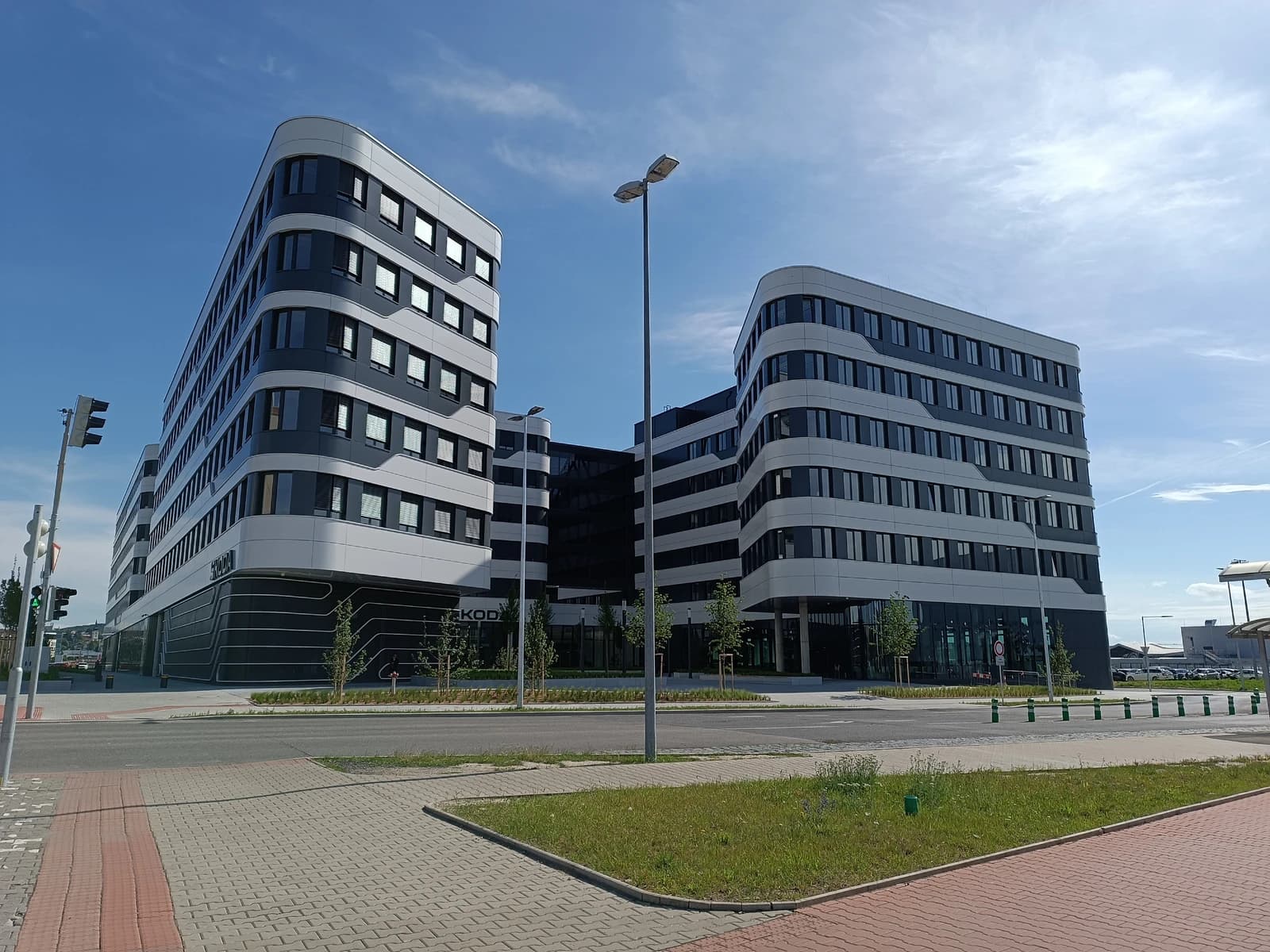
Volkswagen is trying to freeze Škoda Auto wages until 2030 and strip out bonuses, premiums and extra payments, according to the Czech carmaker’s unions, in a sign the German group is intensifying efforts to cut labor costs across its European operations.
Volkswagen Seeks Wage Freeze at Skoda Until 2030
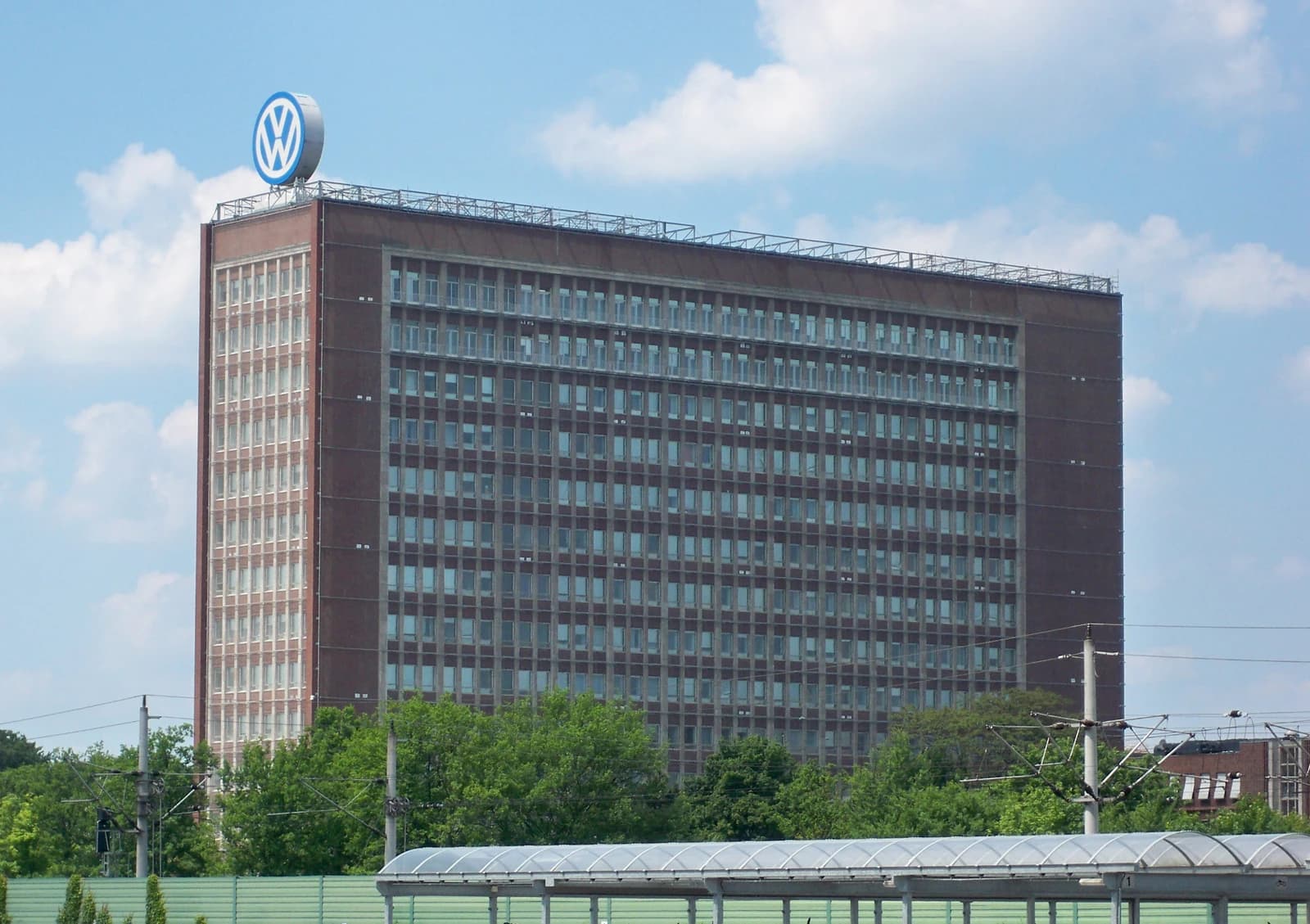
The dispute matters because it points to a larger squeeze on margins at one of Volkswagen’s more profitable brands at a time when the carmaker is under pressure from weak demand, costly electrification and a slower-than-expected industrial reset in Europe. If management succeeds, it would lower fixed pay growth and make compensation more variable; if unions resist, the risk is higher labor tension, lower output flexibility and additional strain on a business already fighting to protect plant utilization.
The unions said Volkswagen wants wages held flat through 2030 and is also seeking zero increases in other parts of pay, including bonuses and premiums, while asking workers to shoulder a heavier workload in e-mobility. Jaroslav Povšík, head of the company council, called the demand an attack on workers and said the brand should not carry the “biggest share of responsibility” for the wider group.
Management, according to the union publication Škodovácký odborář, also told employees for the first time that the situation is serious and could threaten future plant loading and employment. That is a notable escalation. Even without formal confirmation from Škoda, the messaging suggests Volkswagen is moving beyond routine bargaining and into a broader restructuring conversation over how to fund the transition to electric vehicles while preserving profitability.
For investors, the issue goes to the heart of Volkswagen’s ability to defend earnings in Europe. Labor is a major cost line in an industry where pricing power has weakened and EV production remains capital-intensive. A wage freeze and lower variable pay would help offset pressure from investment spending and softer volumes. But a protracted clash with unions would raise execution risk, especially for Škoda, which has been a key contributor to the group’s volume and cash generation.
The stock market has already been discounting plenty of strain in the European auto sector. Volkswagen’s U.S.-listed shares and Porsche parent Porsche AG’s stock have both traded well below earlier 2026 levels, while the broader backdrop remains one of weak automotive sentiment and cautious consumer demand. Standard technical indicators on Volkswagen’s U.S. shares show the stock below its 50-day and 200-day moving averages, with momentum still soft, underscoring how little room there is for another earnings disappointment.
The bigger narrative is that Volkswagen is trying to force through a new labor model as the industry shifts to electric vehicles and margins tighten. Škoda’s unions are signaling they will not accept being asked to absorb the burden through pay restraint while taking on the extra work of electrification. The next watchpoint is whether management opens formal talks, whether the dispute spreads to other VW brands, and whether labor unrest starts to affect production planning in central Europe.
| Entity | Gains | Losses |
|---|---|---|
| Volkswagen management | ▲Lower labor costs | ▼Higher union conflict |
| Škoda workers | ▲Potential leverage in talks | ▼Wage freeze, cut bonuses |
| Volkswagen shareholders | ▲Margin relief if costs fall | ▼Execution risk if talks fail |
| Central European production | ▲More flexible pay structure | ▼Strike risk, weaker morale |