Hungary’s 2027 minimum wage negotiations opened with a wide gap between employers and unions, underscoring the political and economic pressure around pay, taxes and business costs as the government pushes for higher take-home income without forcing firms into a bigger wage shock.
Hungary 2027 Minimum Wage Talks Open Wide Apart
The employers’ side, led by the MGYOSZ industry group, proposed a 4% increase in both the gross minimum wage and the guaranteed wage floor, far below the 14% rise sought by the MASZSZ trade union confederation. The first round of talks at the VKF consultation forum on Oct. 20 ended without an agreement, leaving the two sides far apart before the year-end wage setting process.
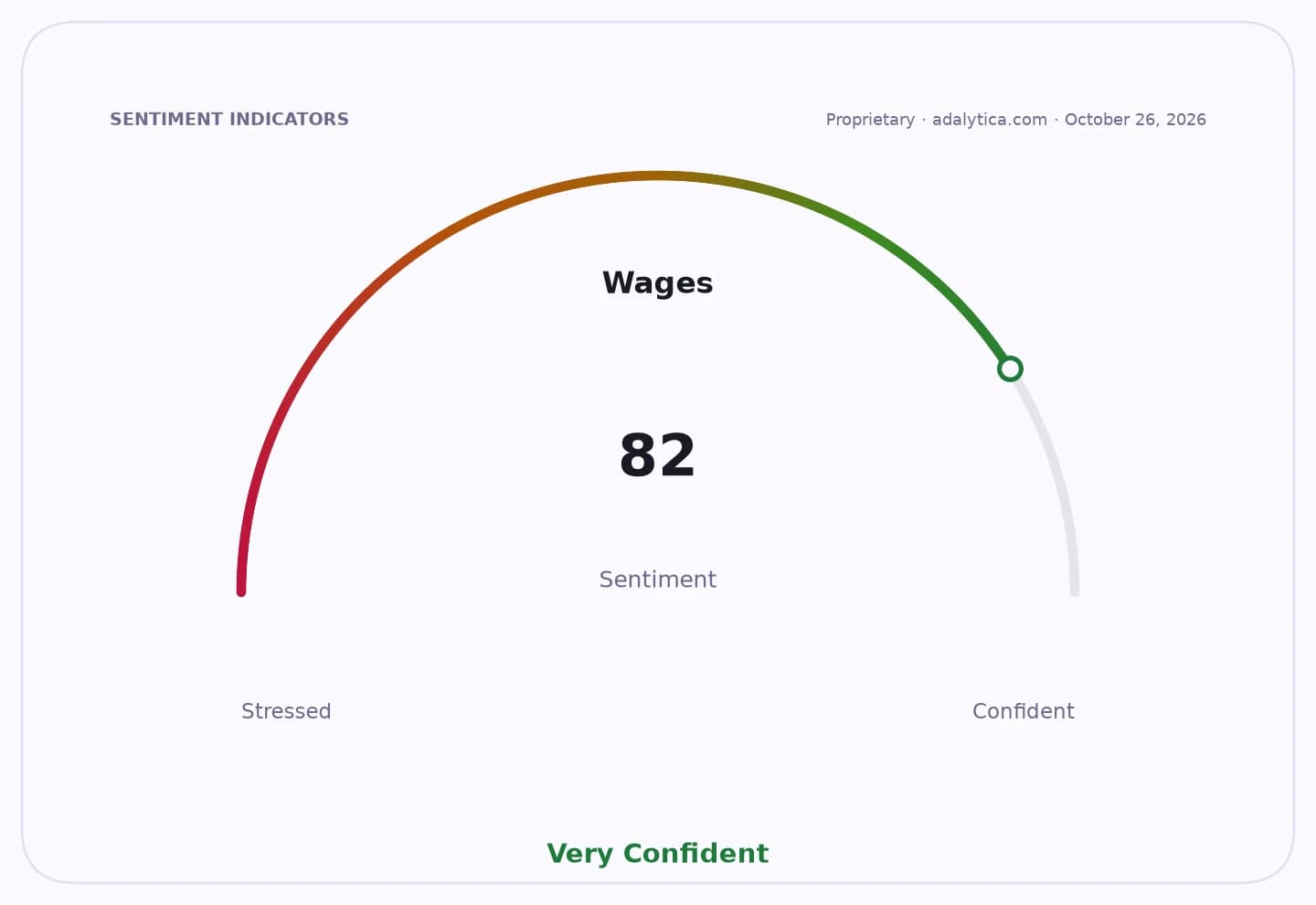
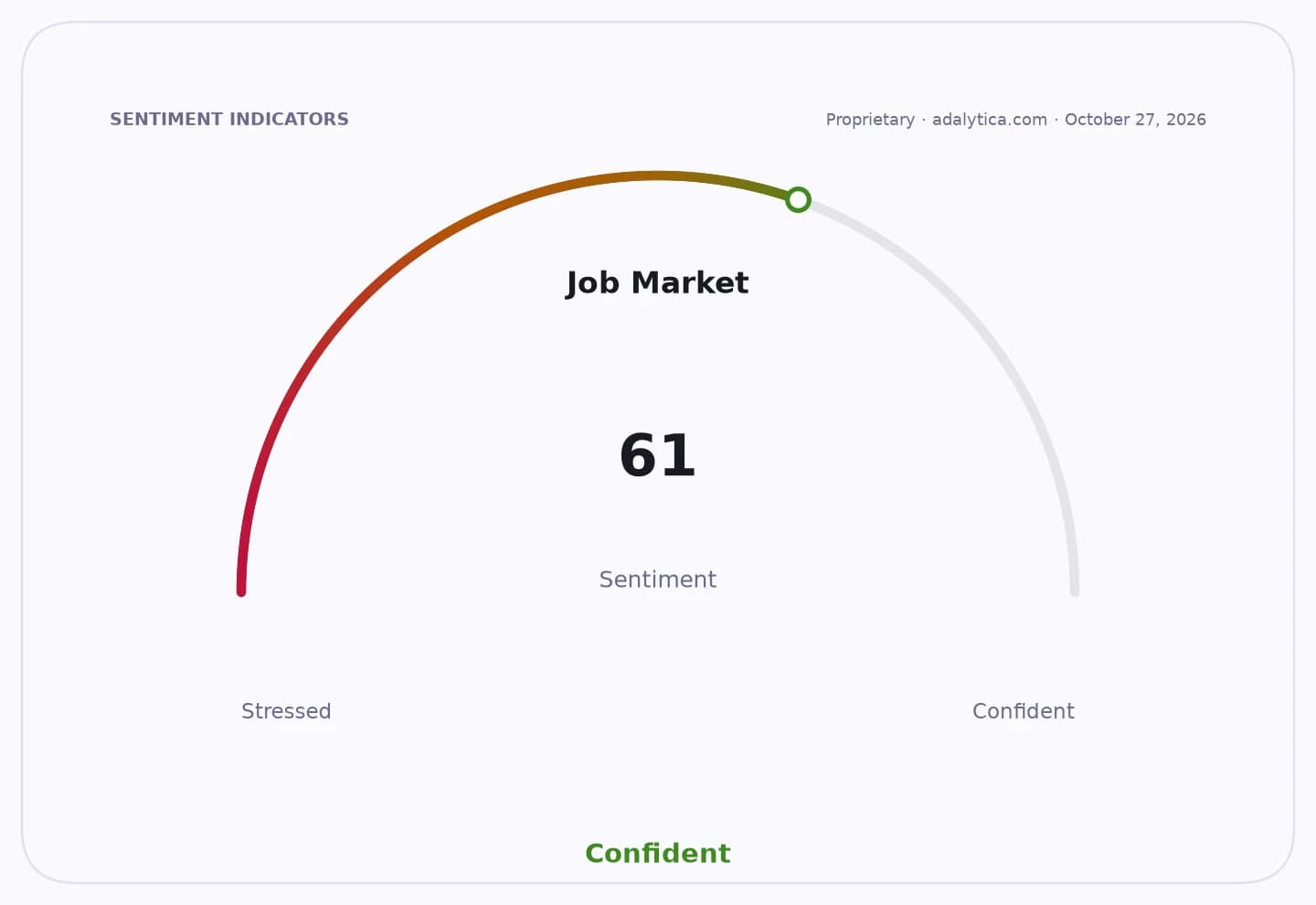
Sentiment Indicators
The standoff matters because minimum wage deals in Hungary ripple far beyond the lowest-paid workers. Employers say any sharp increase feeds through to higher pay bands and can lift total labor costs by more than the direct wage hike alone, a concern for manufacturers and service firms already operating in a sluggish growth environment.
MGYOSZ argues the 2024 three-year wage pact was based on stronger growth than Hungary has delivered. The group said GDP was essentially flat in 2023-2025 and sees only 1.8% growth in 2026, making the originally planned 14% minimum wage increase for 2027 economically harder to justify.
The employers also backed a planned personal income tax cut, saying it could raise net pay without adding to company payroll costs. On their calculations, a 4% gross wage increase combined with the tax change could lift net income by as much as 13% for minimum-wage workers.
That framing is designed to keep labor peace while protecting margins. For investors, the key issue is whether Hungary can preserve real wage gains for households without reigniting cost pressure for domestic companies, especially in sectors where labor is a major expense.
The government has already shared detailed data and its tax-cut proposal with social partners, giving both sides a framework for the next round of bargaining. But with employers citing weak GDP and unions pressing for a much larger raise, the talks are likely to remain one of the most closely watched domestic policy disputes heading into 2027.
| Entity | Gains | Losses |
|---|---|---|
| Minimum-wage workers | ▲Higher net pay from tax cuts | ▼Slower gross wage growth |
| Employers | ▲Lower labor-cost pressure | ▼Higher payroll burden if unions win |
| Government | ▲Chance to ease take-home pay via tax cut | ▼Risk of wage dispute and political backlash |
| Investors in Hungarian firms | ▲More predictable cost outlook if deal stays modest | ▼Margin pressure if wages reset sharply |