Austria’s biggest private-sector wage round starts today with 420,000 retail employees at stake, setting up a test of how much pay growth employers can absorb after years of real-wage erosion and weak sector growth.
Austria retail wage talks begin over 420,000 workers
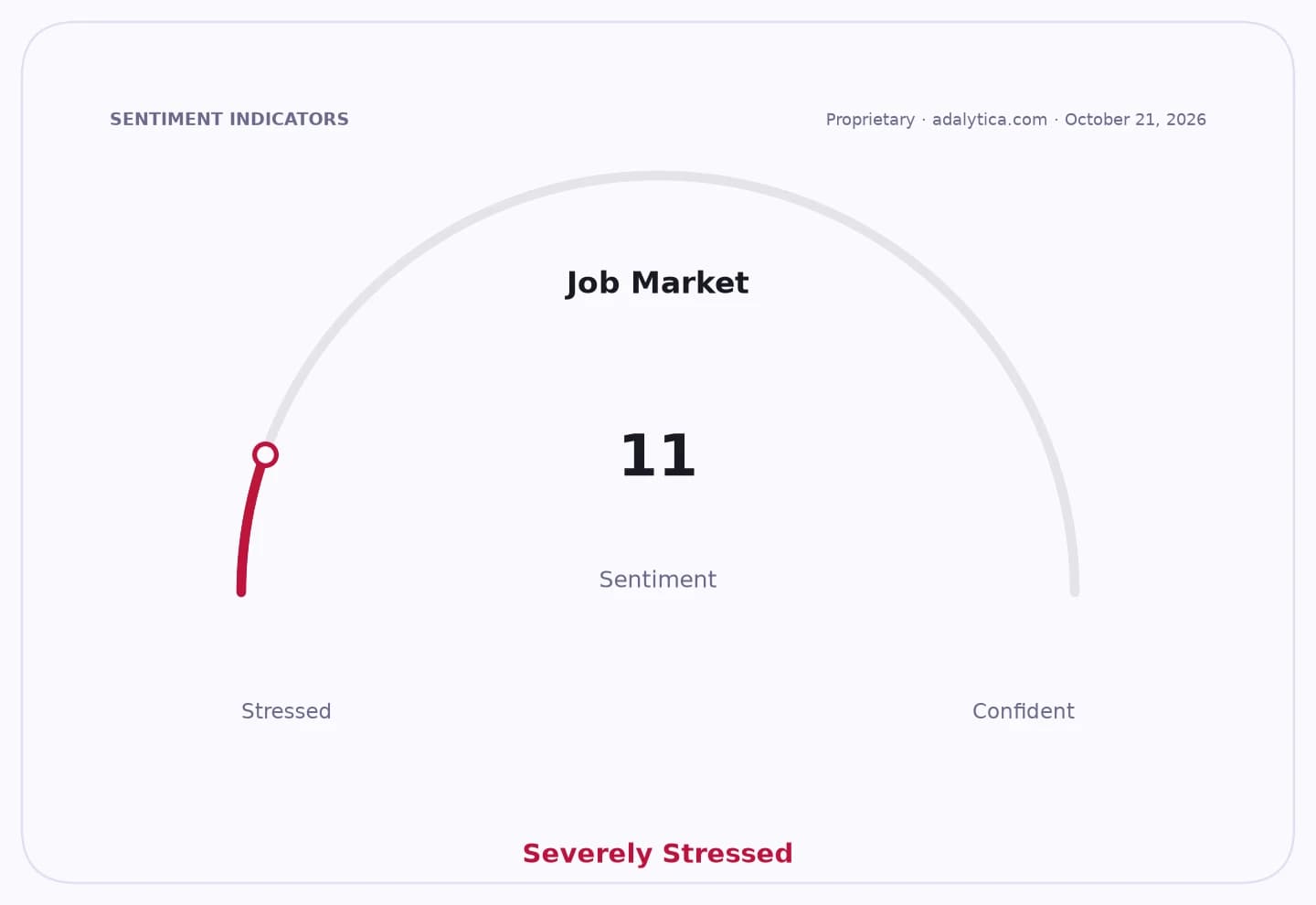
Job Market
The union GPA is demanding at least a 3.3% increase to offset rolling inflation and “strengthen purchasing power,” arguing that workers who kept stores running during repeated crises have not benefited enough from the recovery. Employers say the request is out of reach given cost pressure, only 1% growth expected next year and the broader squeeze on margins in a low-growth economy.
Sentiment Indicators
The talks matter beyond the shop floor because retail is the country’s largest private employer and one of the clearest gauges of household spending power. In a sector where 71% of workers are women and 57% are part-time, the outcome will directly affect disposable income across a broad slice of consumers and feed into domestic demand.
The wage gap is already visible in the numbers the union is using to frame the dispute. It says the average full-time retail salary is 2,568 euros gross a month, while a typical 25-hour sales worker takes home about 1,237 euros, leaving little room for higher living costs.
For investors, the fight is a reminder that wage inflation has not disappeared even as headline price pressures ease. Higher settlements could support consumption at the margin, but they would also add to labor costs for retailers already wrestling with weaker growth, tighter budgets and pressure over opening hours.
The timing is sensitive as consumer confidence remains weak and labor sentiment around jobs and wages is far from settled. Three negotiation dates and one reserve session are on the calendar, but the gap between unions and employers suggests hard bargaining before any deal is reached.
| Entity | Gains | Losses |
|---|---|---|
| Retail workers | ▲Higher pay, stronger purchasing power | ▼Employers resisting 3.3% demand |
| Austrian retailers | ▲Flexibility if wage deal is modest | ▼Higher labor costs, margin pressure |
| Consumers | ▲Slight support to household spending | ▼Possible price pass-through |
| Employers' margin outlook | ▲Contained if talks stay near inflation | ▼Weaker if settlements exceed 3.3% |