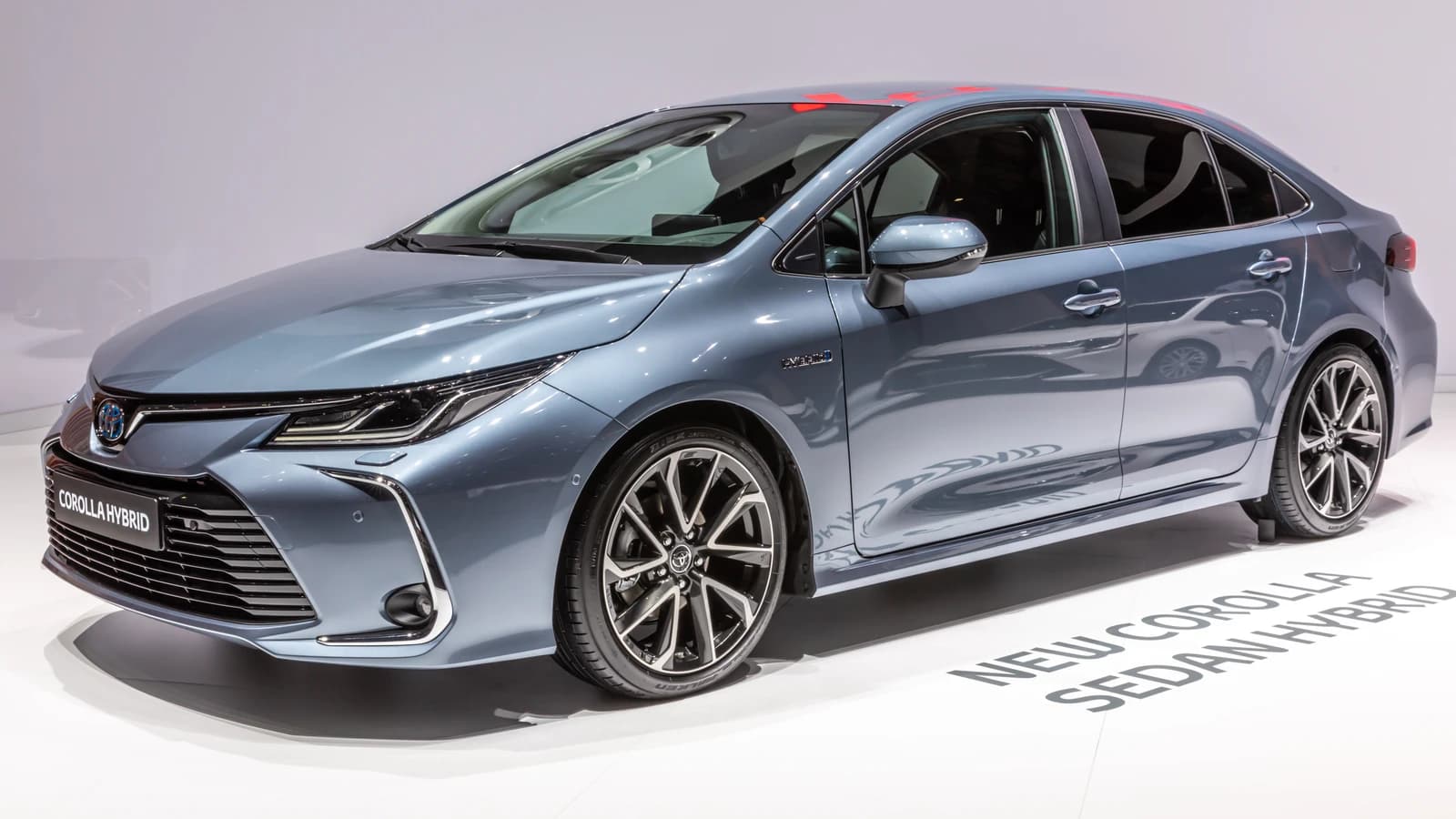
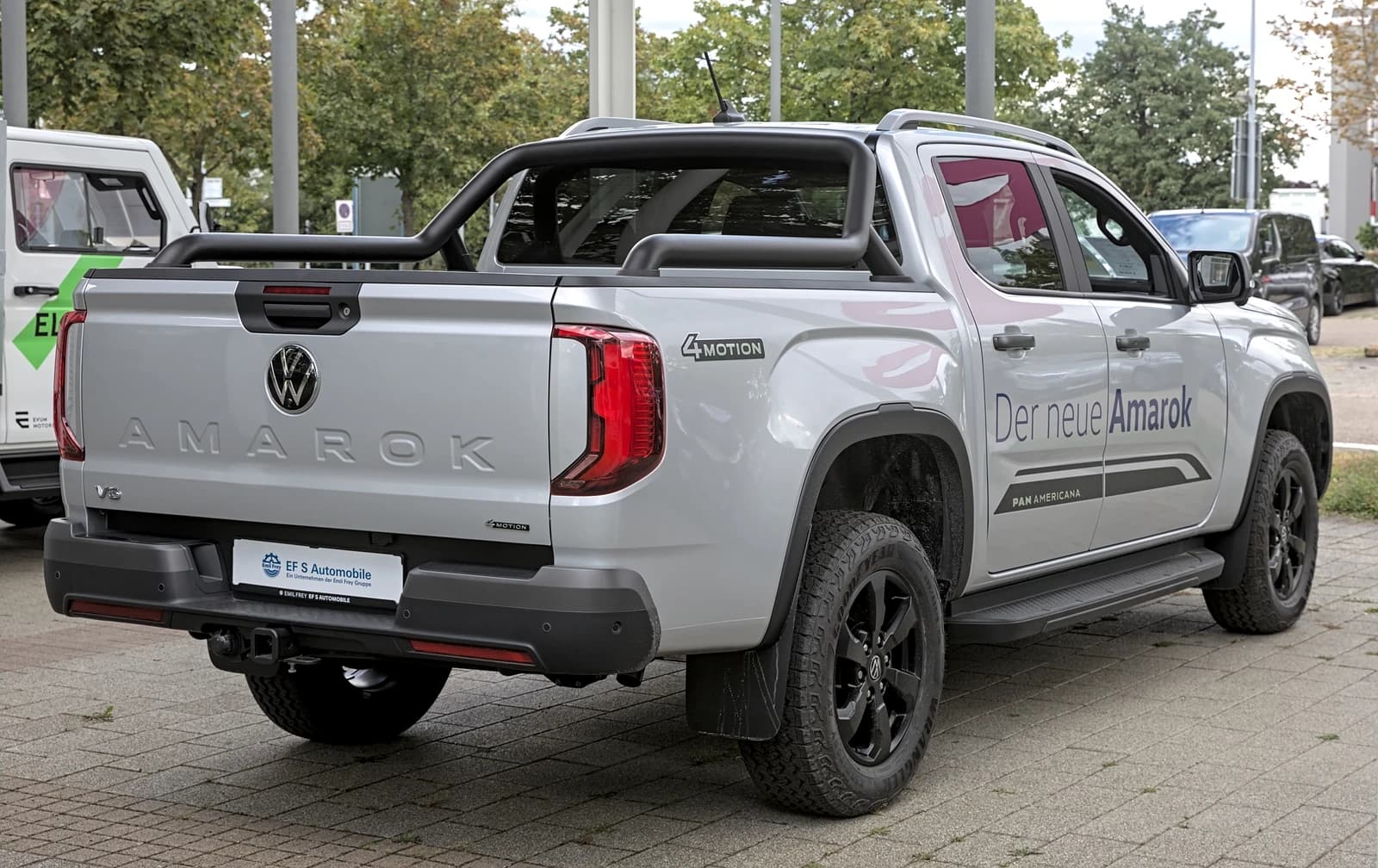
Volkswagen is preparing to bring more China-developed models into foreign markets, a shift that underscores how aggressively the German carmaker is moving to cut costs and defend its mass-market position against lower-priced Chinese rivals.
Volkswagen plans China-built exports to foreign markets
Chief Executive Thomas Schäfer said VW is getting ready to export one or more vehicles built in China, after the company began selling China-developed models in markets including Australia. The strategy matters because it turns Volkswagen’s China footprint from a sales challenge into a production advantage at a time when European automakers are under pressure to match Chinese pricing without sacrificing already thin margins.
The move reflects a broader industry squeeze. VW has long positioned itself as a high-volume, low-margin manufacturer, but that model is being stressed by Chinese brands such as BYD and Chery, which can reportedly build electric vehicles for about $11,000 less than European rivals, according to AlixPartners. For VW, exporting China-built cars is one of the few ways to keep price points competitive without absorbing the full cost base of European manufacturing.
It is also a clear admission that China is no longer just a market to be defended. Volkswagen has spent years building an industrial base there through joint ventures with SAIC Motor, FAW and Volkswagen Anhui, and is now trying to use that network more aggressively. Schäfer said the company has “radically rethought the vehicles” with partners in Europe and China, and that the cars are being engineered to be cost-competitive in the Chinese market before being exported elsewhere.
That matters for investors because it offers a possible route to defend volumes in regions where consumers are increasingly price-sensitive, especially as the EV market normalizes and discounting intensifies. The trade-off is that VW may have to accept tighter product overlap and a more complex global supply chain. The company said any new imports would not replace its current European lineup, suggesting the plan is meant as a supplement rather than a wholesale reset.
For Australia, the immediate impact is likely limited, but the strategy could eventually widen choice in a market that has seen Volkswagen sales fall more than 23% through September versus a year earlier, with Audi, Porsche and Skoda also weaker. China-built vehicles imported into Australia should be cheaper than European-built equivalents, which could help VW regain traction if it can localize them for right-hand drive without excessive engineering cost.
The stock has yet to show conviction that the strategy can offset VW’s structural issues. Volkswagen shares were trading at $7.64 on Oct. 23, below both the 50-day moving average of $8.42 and the 200-day average of $9.51, with the RSI at 48.6 and the MACD still negative, a technical profile that suggests investor caution rather than renewed confidence.
The larger message is that Volkswagen is trying to respond to China’s EV ascent by borrowing some of China’s industrial advantages. If the company can use Chinese platforms to lower costs and preserve volume in Europe, Australia and other right-hand-drive markets, it could buy time. If not, the plan risks becoming another sign that the global auto industry’s center of gravity is shifting east.
| Entity | Gains | Losses |
|---|---|---|
| Volkswagen | ▲Lower production costs | ▼European manufacturing margins |
| Chinese joint ventures | ▲Export reach | ▼Domestic-only limits |
| Consumers in Australia | ▲Cheaper EV choices | ▼Fewer locally optimized models |
| European rivals | ▲— | ▼More pricing pressure |