China’s electric-vehicle industry is turning charging from a bottleneck into a weapon, and that matters because it could shift the next phase of the auto war onto foreign roads rather than domestic ones.
China EV Charging Gains Pressure Korean Automakers
What looks like a simple consumer convenience upgrade is actually a major industrial inflection point. If Chinese EVs can add roughly 300 kilometers of range in about 10 minutes and move toward 1,000-kilometer batteries next year, the old objections to EV ownership — long waits, range anxiety, unreliable infrastructure — lose force fast. That expands the addressable market at home, but more importantly for investors, it gives Chinese manufacturers a stronger export pitch just as they are being squeezed by brutal price competition at home.
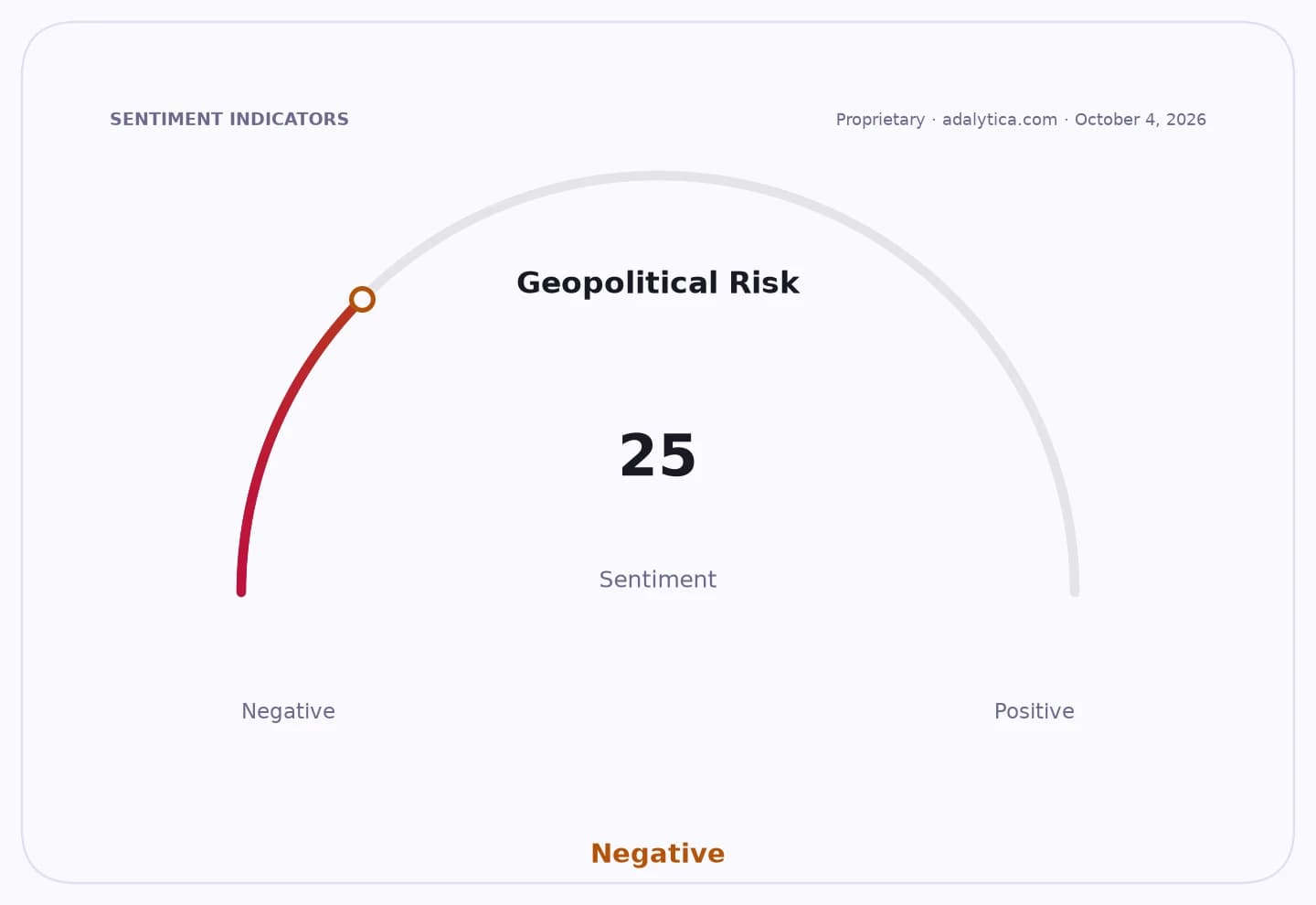
Sentiment IndicatorsⓘProprietary · adalytica.com · October 4, 2026
This is a snapshot — live sentiment, awareness and momentum for 130+ markets update continuously in the dashboard.Open AlphaPulse
The economic pressure inside China is already visible. The average operating margin in the country’s auto industry has fallen to 2.9% this year, a reminder that scale alone is no longer enough to protect profitability. Chinese carmakers are fighting a domestic price war while simultaneously trying to defend the technology lead in batteries, charging and software. That combination usually ends with weaker players being forced overseas, where the battle turns from discounts to market share. Korea is one of the most exposed front lines.
That is why South Korean automakers matter here. Hyundai and Kia, along with the broader Korean auto supply chain, face a Chinese export wave backed by faster charging, longer-range batteries and a cost structure that still looks highly competitive. The market has tended to treat Chinese EVs as a domestic China story. That is the mistake. Once charging times compress and infrastructure thickens, the main constraint on Chinese expansion becomes regulation and geopolitics, not product fit.
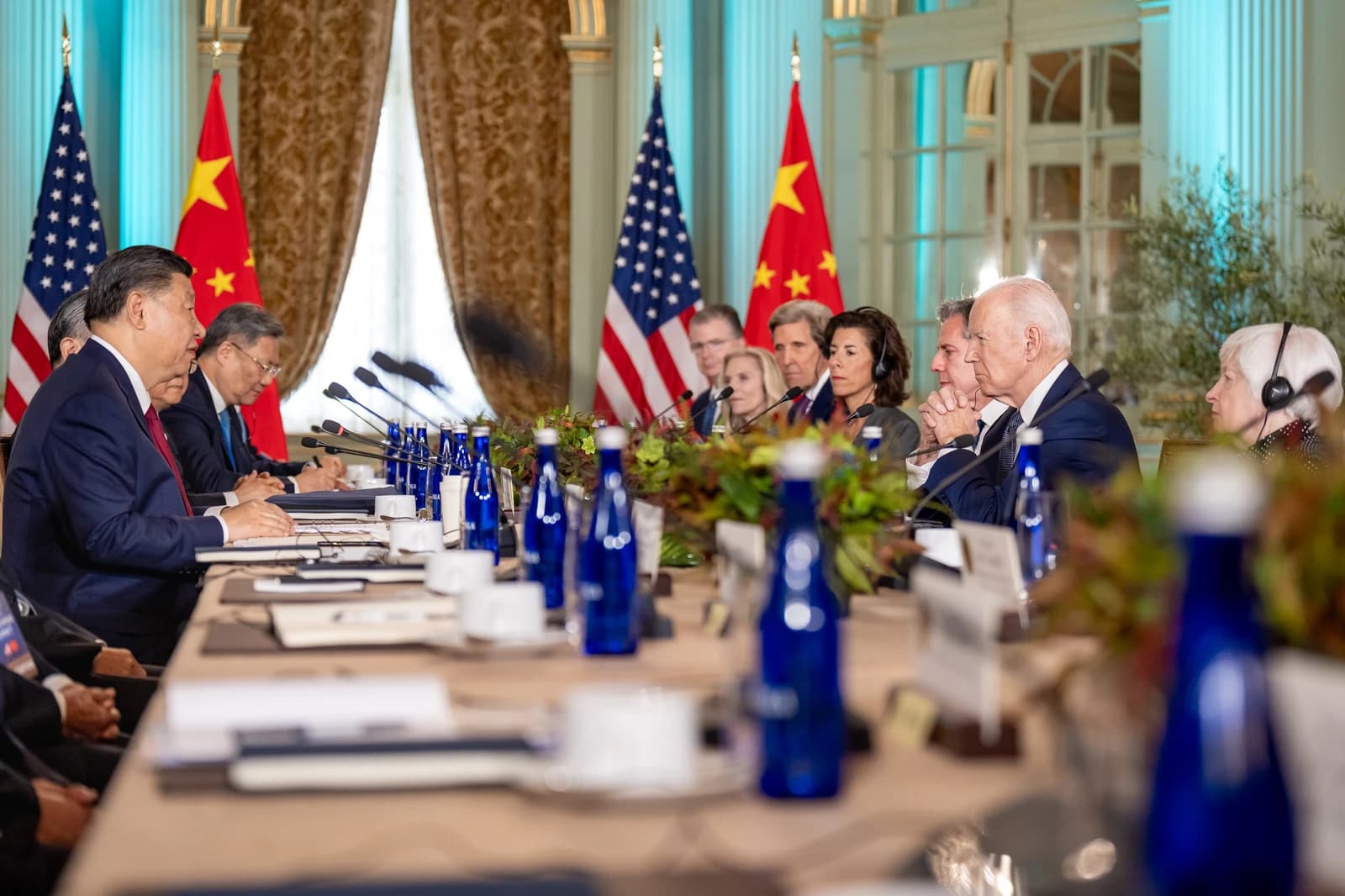
The latest moves also sit against a worsening geopolitical backdrop. Tensions on the Korean Peninsula remain elevated, while trilateral security coordination among South Korea, the U.S. and Japan is intensifying ahead of major diplomatic meetings involving Washington and Beijing. In that environment, Chinese EV exports are not just a commercial issue. They are part of a broader contest over industrial leadership, standards and supply chains — the same kind of competition that can spill into tariffs, scrutiny and non-tariff barriers.
For investors, the setup argues for a bifurcated view. Chinese EV leaders and battery champions remain the obvious beneficiaries if their technology edge continues to widen. But Korean automakers and parts suppliers now face a harder export environment as China pushes harder into foreign markets with a more mature product. At the same time, the companies that sell the picks-and-shovels of this transition — charging equipment, grid hardware, battery materials and high-voltage components — may capture more durable upside than the automakers fighting the margin war.
The next catalyst is likely to come from export data, regulatory responses and the pace of 1,000-kilometer battery commercialization. If that rollout accelerates, the market will have to stop thinking of China’s EV story as a domestic pricing war and start treating it as a global competitive assault. For now, the high-conviction trade is to favor the infrastructure and component suppliers that benefit from every additional EV on the road, while staying cautious on the manufacturers most exposed to Chinese price aggression.
| Entity | Gains | Losses |
|---|---|---|
| Chinese EV makers | ▲Export leverage, tech leadership | ▼Margins in domestic price wars |
| Battery and charging suppliers | ▲Higher demand, infrastructure buildout | ▼Commodity and capex risks |
| Korean automakers | ▲Niche premium positioning | ▼Chinese export competition |
| U.S./Japan/Korea security bloc | ▲Stronger industrial coordination | ▼Lower room for China policy flexibility |