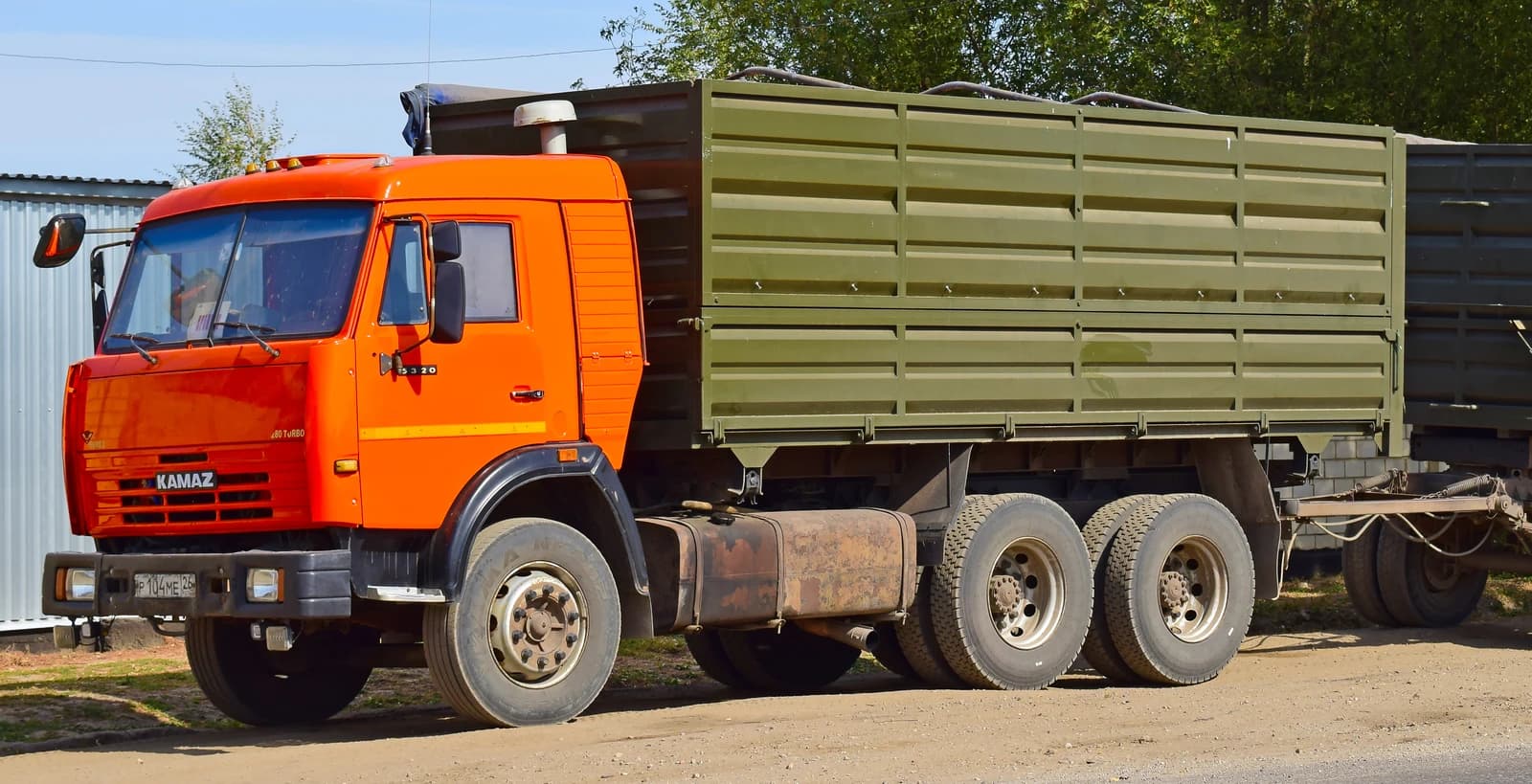
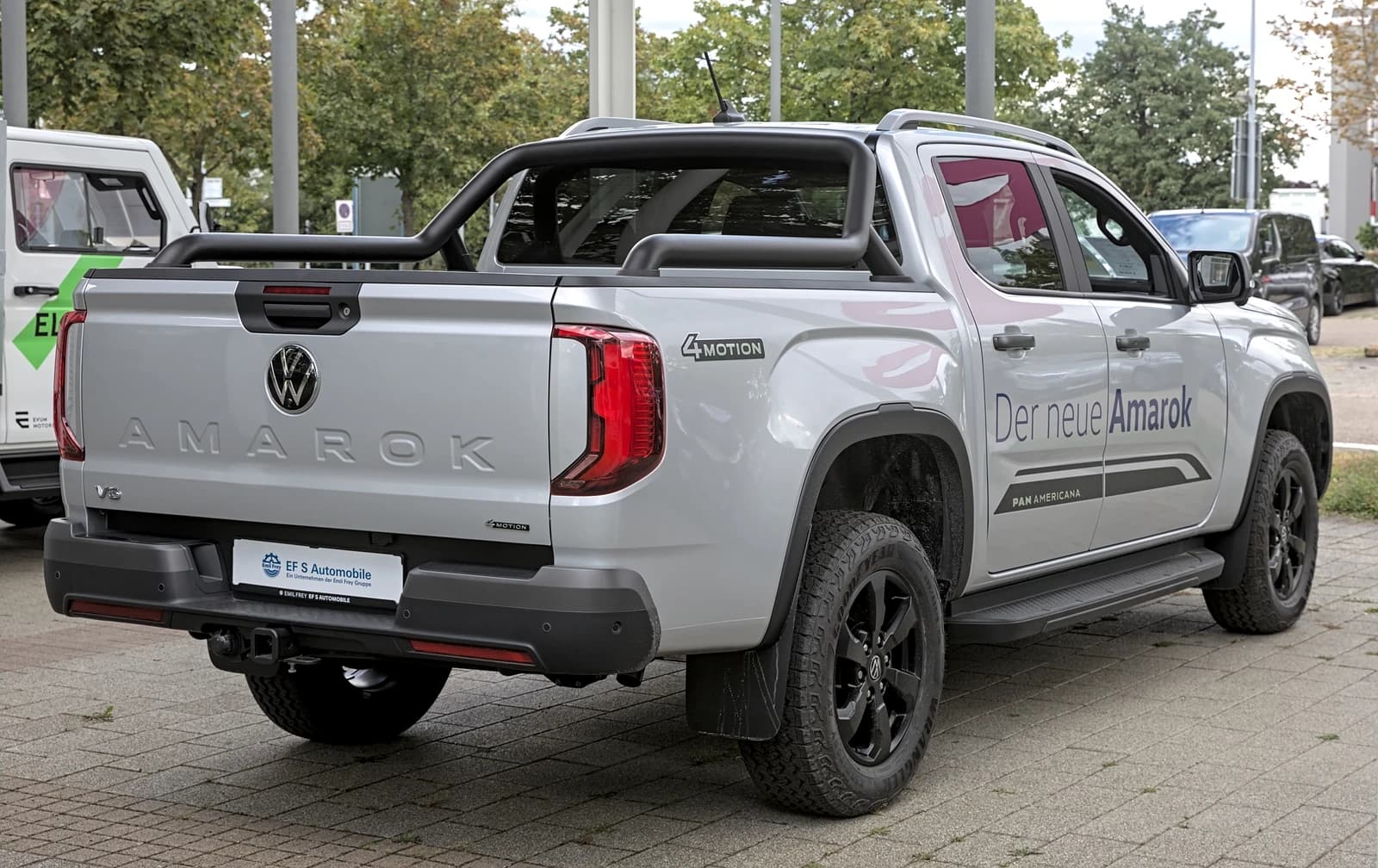
Volkswagen’s Amarok pickup has resurfaced in Russia, and the bigger story for investors is that the country’s auto market is still absorbing parallel imports and gray-channel supply even as sanctions continue to reshape who captures the margin.
Volkswagen Amarok Returns to Russia via Gray Imports
That matters because Russia remains one of the clearest examples of how geopolitics is rewiring global car distribution. Western brands that officially exited the market after the invasion of Ukraine have not disappeared from Russian roads; they are showing up through intermediaries, often at prices that reflect freight, currency, tariff and sanction risk rather than normal manufacturer pricing power.
Sentiment IndicatorsⓘProprietary · adalytica.com · October 23, 2026
This is a snapshot — live sentiment, awareness and momentum for 130+ markets update continuously in the dashboard.Open AlphaPulse
The Amarok is a useful case study. Originally developed as a Volkswagen-Ford joint project, the pickup is now reentering Russia not as a factory-backed local model but as an imported product sold through nontraditional channels. That tells you two things: first, Russian demand for recognizable foreign brands still exists despite the political rupture; second, the premium once commanded by official dealer networks has been replaced by a more fragmented and less transparent pricing structure.
For investors, the implication is broader than one pickup truck. A market where foreign-branded vehicles can still be sourced through third-party supply chains creates opportunity for logistics firms, importers, insurers and service networks, while squeezing companies that once relied on direct brand control, warranty revenue and after-sales capture. It also reinforces the case for Chinese automakers, which have taken share as Western incumbents retreated and now stand to benefit from a market that has been structurally de-globalized but not abandoned.
The macro backdrop supports the read-through. U.S. 10-year yields have been hovering around 5.1%, while core inflation remains sticky and the labor market is still near 4.2% unemployment. In that environment, investors are increasingly focused on cash-generating industrial and mobility businesses that can withstand fragmented trade flows, not on companies dependent on a smooth, low-cost global supply chain. The dollar’s weaker recent tone also matters, because a softer greenback can make cross-border sourcing and parallel-import pricing less predictable.
Volkswagen shares have been under pressure, with the German automaker’s stock still well below its 200-day moving average, reflecting investor skepticism about margins, China exposure and the cost of sustaining a global footprint in a more protectionist world. Ford, meanwhile, has seen its U.S.-listed shares swing sharply in 2026, underscoring how auto names are being repriced around product mix, tariffs and capital intensity rather than simple unit growth.
The takeaway is that Russia’s auto market is not “normal” again — it is becoming more decentralized, more opaque and more dependent on intermediaries. That is exactly the kind of shift the market tends to underestimate until it shows up in margins, market share and supply-chain economics.
For investors, the best opportunities are likely not in headline-brand exposure to Russia, but in the infrastructure around disrupted trade: Asian automakers with flexible sourcing, logistics and freight intermediaries, and select parts and service providers that can profit from a market where official channels no longer dominate. In this kind of regime, control of the route to market is often more valuable than control of the badge on the grille.
| Entity | Gains | Losses |
|---|---|---|
| Russian importers | ▲Higher gray-market spreads | ▼Compliance and sanction risk |
| Chinese automakers | ▲Share gains in Russia | ▼Price competition intensifies |
| Volkswagen/Ford | ▲Limited indirect brand presence | ▼Direct dealer economics |
| Logistics and parts suppliers | ▲More fragmented trade flows | ▼Stable OEM channel revenue |