A Russian drone attack has halted production at a Kromberg & Schubert plant in western Ukraine that supplies wiring harnesses and other components to Audi, BMW, Mercedes-Benz, Škoda and Porsche, exposing another fragile node in Europe’s auto supply chain just as carmakers are trying to stabilize output and margins.
Ukraine drone strike halts Kromberg & Schubert plant
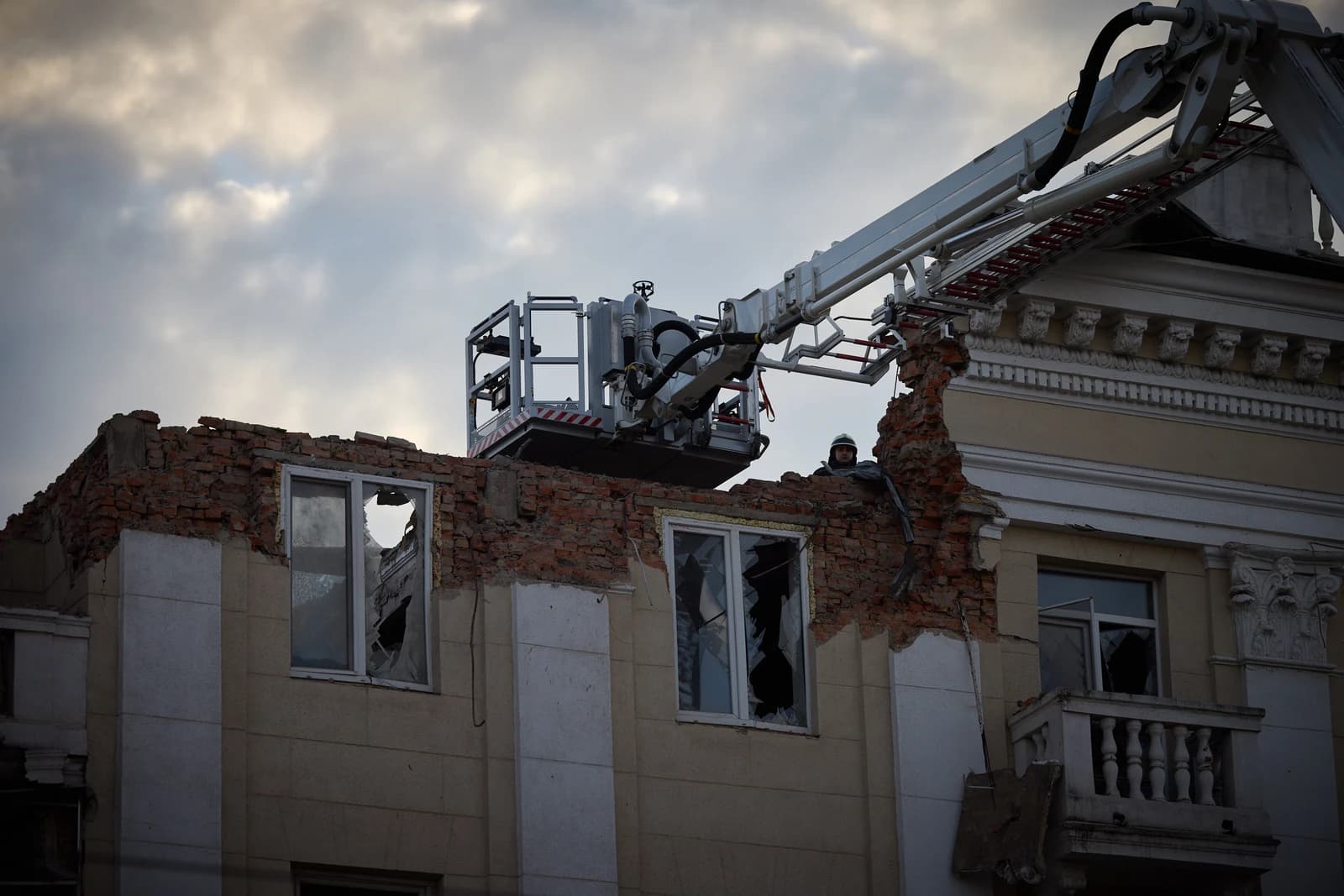
The plant in Rovantsi, in Volyn region, was hit at least twice on Oct. 16, according to local reporting and the company’s statement. Kromberg & Schubert said it had suspended work while it assesses damage and prioritizes employee safety. Ukraine’s emergency service said one person was killed and eight injured in an attack on a private enterprise in the region, though it was not immediately clear whether all of those casualties were at the same site.
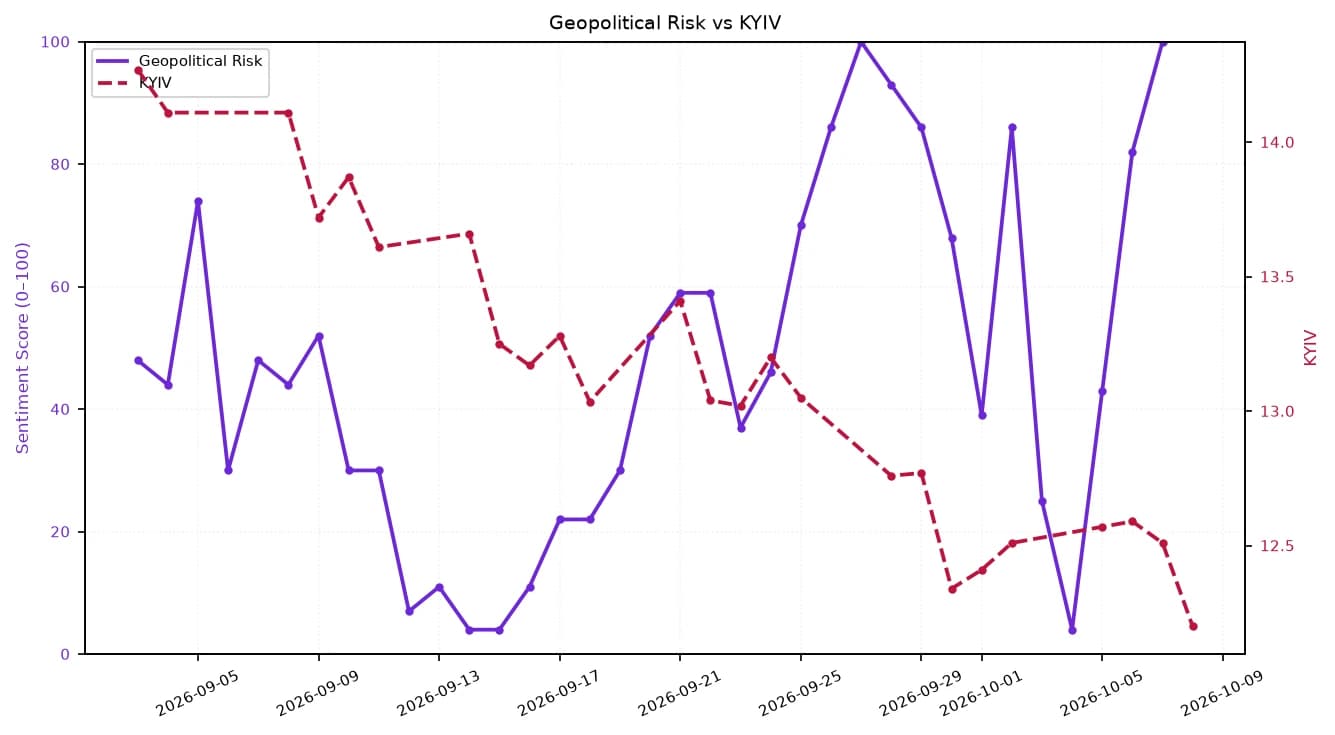
Sentiment IndicatorsⓘProprietary · adalytica.com · October 20, 2026
This is a snapshot — live sentiment, awareness and momentum for 130+ markets update continuously in the dashboard.Open AlphaPulse
For automakers, the immediate risk is not the loss of a headline component supplier in itself, but the concentration of vulnerability in just-in-time manufacturing. Wiring systems are low-value parts relative to the finished vehicle, yet they are hard to substitute quickly because each model platform has bespoke specifications. Any prolonged shutdown can force production changes, line stoppages or costly rerouting of supply from other plants, adding pressure to already tight inventories and working capital.
The wider economic impact is more pronounced for Ukraine’s industrial base. Kromberg & Schubert is a major employer in Volyn, so the closure hits local jobs and tax revenue while underlining how Russia’s campaign against infrastructure is spilling beyond power grids into export-linked manufacturing. The plant’s interruption comes amid broader attacks on Lutsk infrastructure that have also caused power and water outages, raising the operational cost of doing business in western Ukraine even far from the front line.
For European automakers, the timing matters. Audi, BMW and their peers have spent years diversifying supply chains after pandemic-era disruptions, but the episode shows how geopolitical risk can still reach deep into the parts network. Suppliers such as Kromberg & Schubert and peers in the automotive electronics chain may need to stockpile components, reroute production or absorb higher logistics costs, all of which can weigh on margins if disruptions persist.
Investors will be watching for any sign that the outage extends beyond a temporary pause. A short shutdown may be manageable if alternative capacity exists, but a longer interruption could tighten delivery schedules and revive memories of the sector’s exposure to single-site supplier risk. The episode also reinforces a broader theme for industrial investors: Europe’s carmakers remain operationally sensitive not just to demand swings, but to war-related supply shocks that can arrive with little warning.
| Entity | Gains | Losses |
|---|---|---|
| Russian military campaign | ▲Pressure on Ukrainian industry | ▼Stability of regional supply chains |
| Kromberg & Schubert | ▲None | ▼Production, revenue, workforce continuity |
| Audi, BMW and peers | ▲Possible supply-chain diversification push | ▼Short-term component availability |
| Local workers and Volyn region | ▲None | ▼Jobs, output and tax receipts |