The Kyiv Karton and Paper Mill has stopped production after a Russian missile attack damaged its plant in Obukhiv for the third time in six months, underscoring how repeated strikes are eroding Ukraine’s industrial capacity even when workers escape unharmed.
Kyiv Karton Mill Stops After Obukhiv Strike
The shutdown matters beyond one factory. The Obukhiv site is one of Ukraine’s largest producers of cardboard, packaging and sanitary paper, employing more than 2,500 people and generating 8.4 billion hryvnias in output in 2025. With production lines, warehouses, equipment and power infrastructure hit again, the immediate effect is lost supply in a sector that feeds consumer goods, logistics and retail chains across Ukraine and parts of Europe.
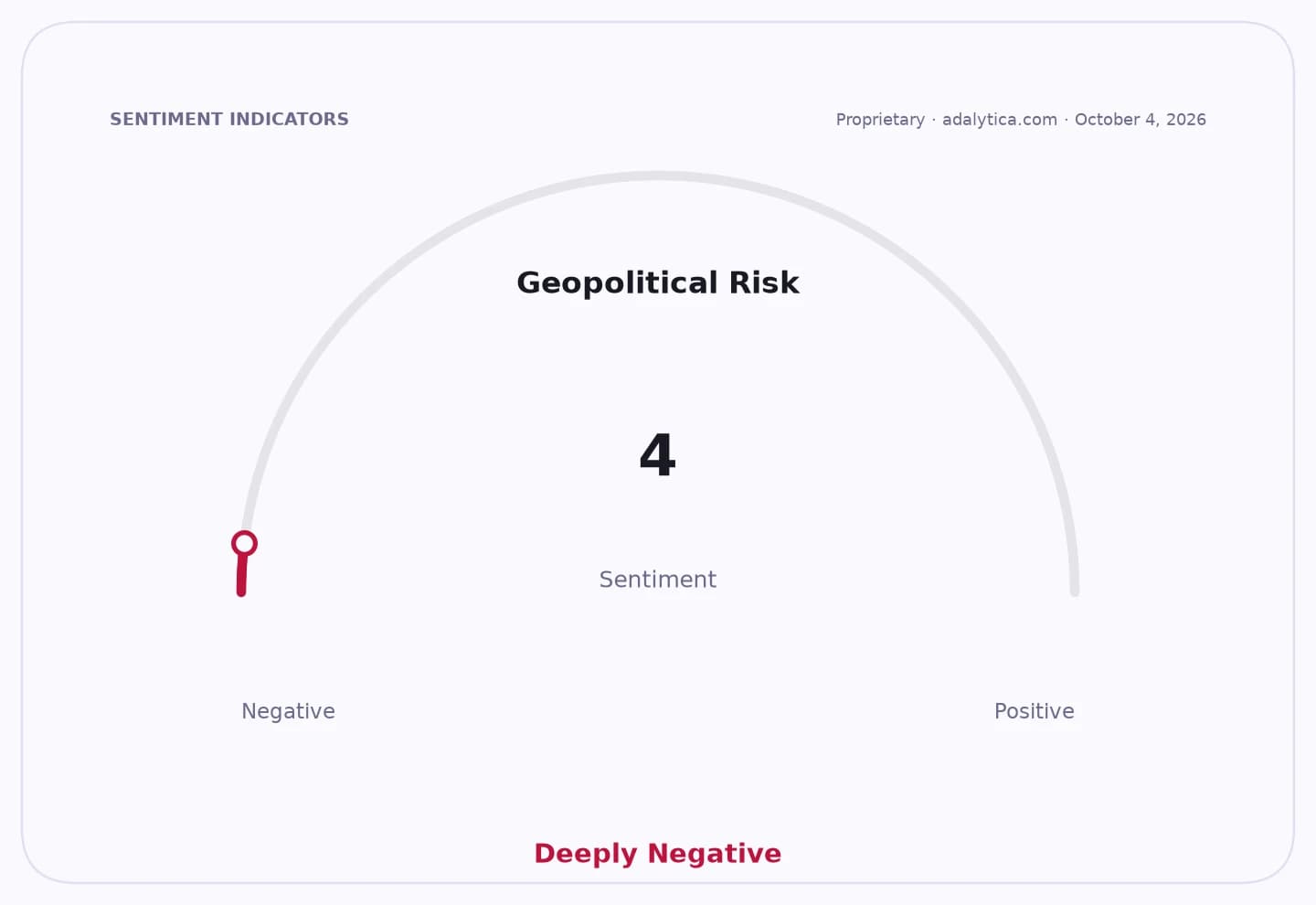
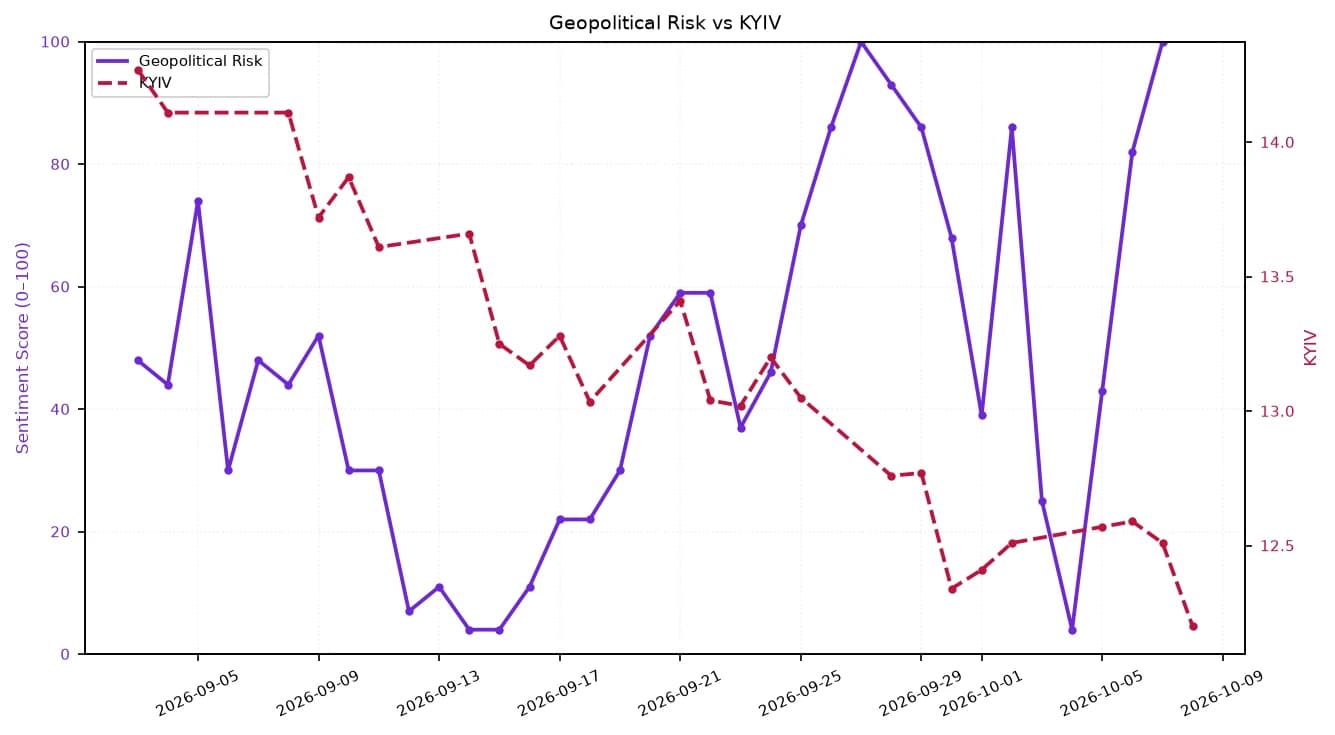
Sentiment IndicatorsⓘProprietary · adalytica.com · October 8, 2026
This is a snapshot — live sentiment, awareness and momentum for 130+ markets update continuously in the dashboard.Open AlphaPulse
Repeated damage also raises the cost of doing business in wartime Ukraine. Each attack forces repairs, interrupts output and increases insurance, security and contingency spending, while making it harder to maintain stable deliveries to customers. The company said fires were still being extinguished when it announced the stoppage, a sign that the disruption is likely to extend beyond a single day’s production loss.
For investors, the latest strike is a reminder that asset risk remains tied to geography as much as fundamentals. Kyiv Carton and Paper is wholly owned by Austria’s Pulp Mill Holding GmbH, so the hit reverberates through a foreign-owned industrial operation exposed to physical destruction, downtime and capital expenditure needs. For equity holders and lenders, the key question is not only repair costs but whether recurring attacks will force a longer interruption to volumes, margins and working capital.
The incident also fits a broader pattern of intensified pressure on Ukrainian manufacturing, where companies with large fixed assets are increasingly vulnerable to missile and drone strikes. The human toll was limited at the plant because staff followed safety procedures, but the economic toll is compounding: repeated outages can disrupt downstream packaging supplies, squeeze domestic availability and slow the recovery of industrial output in regions close to the front line.
The near-term focus will be on the extent of structural damage, how quickly utilities and machinery can be restored, and whether the company can reroute production. For markets, the bigger signal is that wartime operating risk in Ukraine is not easing; it is becoming a recurring feature that investors in local industrial assets have to price in.
| Entity | Gains | Losses |
|---|---|---|
| Russian military campaign | ▲Disrupts Ukrainian industry | ▼Delays production, destroys assets |
| Kyiv Karton and Paper mill | ▲Worker safety preserved | ▼Output, equipment, revenue |
| Pulp Mill Holding / investors | ▲— | ▼Higher repair costs, downtime risk |
| Ukrainian manufacturers and supply chains | ▲— | ▼Packaging and paper supply disruption |