Hyundai Motor and Kia are positioning for a possible return to Russia if the war in Ukraine is resolved, a move that would reopen one of the auto industry’s biggest lost overseas markets and signal how quickly carmakers are preparing to chase sales if sanctions ease.
Hyundai and Kia Eye Possible Russia Return
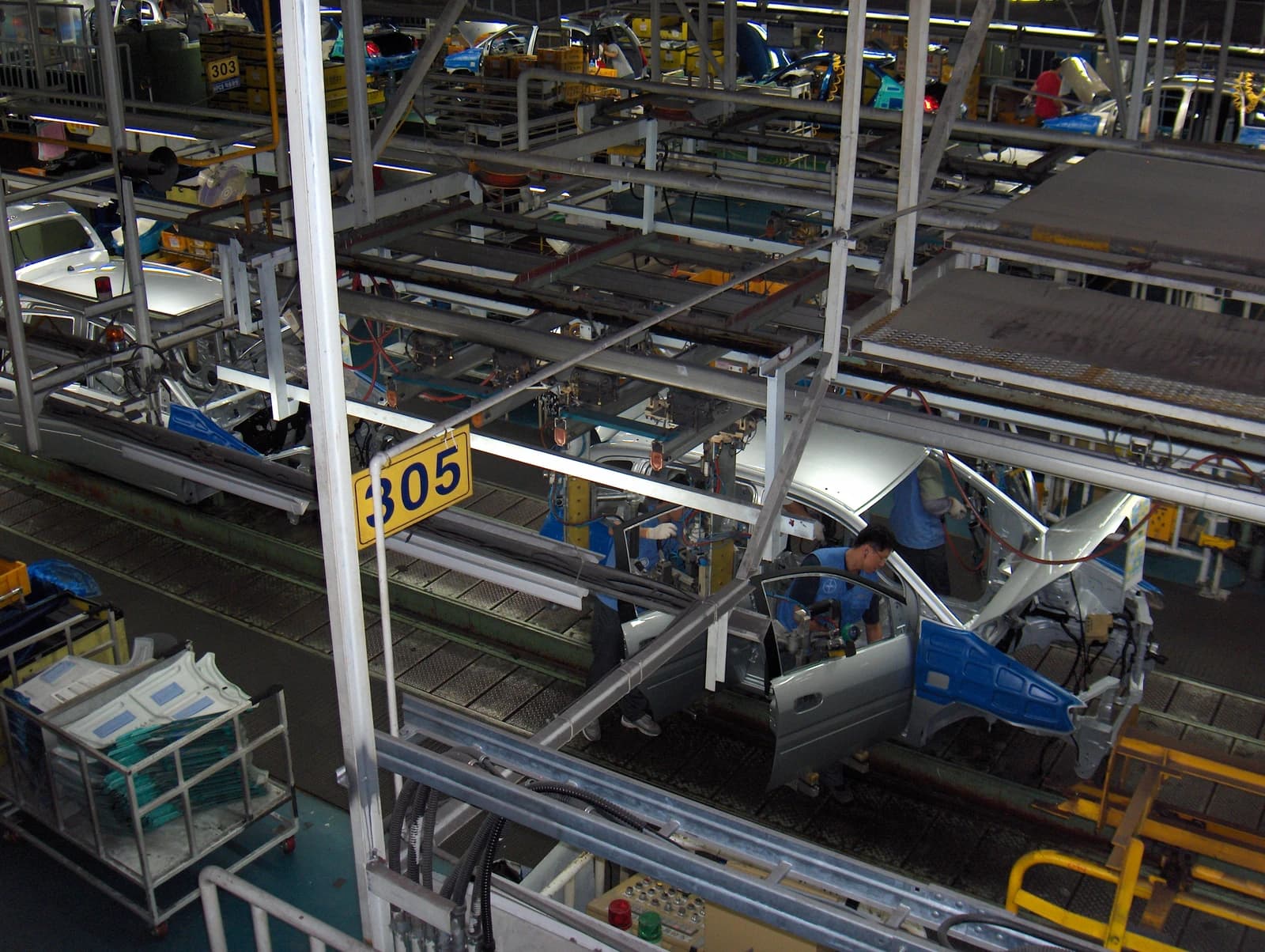
For Hyundai and Kia, Russia once offered meaningful volume before Western sanctions and corporate exits forced the brands out after Moscow’s full-scale invasion of Ukraine. A return would matter economically because it could restore factory and dealer networks, support regional sales growth and give the South Korean automakers another outlet at a time when global car demand is uneven and competition in mature markets is intense.
Sentiment IndicatorsⓘProprietary · adalytica.com · October 15, 2026
This is a snapshot — live sentiment, awareness and momentum for 130+ markets update continuously in the dashboard.Open AlphaPulse
The timing also underscores how geopolitics continues to shape auto strategy. Carmakers have spent the past three years rerouting supply chains, reworking distribution and absorbing the cost of leaving Russia, and any normalization would likely require not just a ceasefire but also changes in sanctions, payments and logistics. That makes the upside real but conditional.
Investors would likely view any reopening as a medium-term revenue opportunity rather than an immediate earnings boost. Hyundai and Kia could benefit from restored market share and a cheaper path to incremental growth, but execution risk is high and the return would depend on how fast the political settlement, regulatory approvals and consumer demand line up.
The broader backdrop is one of fragile global sentiment around stability. Adalytica’s Global Stability Sentiment gauge sits at 61, labeled neutral, while awareness remains in fear territory, suggesting markets are still pricing geopolitical risk even as the prospect of de-escalation in Ukraine emerges.
For auto investors, the key question now is not whether Russia could eventually matter again, but how fast any thaw would translate into sales, plant investment and earnings.
| Entity | Gains | Losses |
|---|---|---|
| Hyundai Motor | ▲Reopened Russia growth channel | ▼Ongoing sanction-related uncertainty |
| Kia | ▲Higher sales and dealer footprint | ▼Delay if peace talks stall |
| Russian auto market | ▲More foreign-brand supply | ▼Domestic rivals face renewed competition |
| Short sellers / cautious investors | ▲— | ▼Lower geopolitical-risk premium if talks advance |