Volkswagen’s push to freeze employee wage growth until 2030 is the clearest sign yet that Europe’s biggest carmaker is still trying to pry cost out of a business under pressure, and investors should read it as a margin story before it is a labor story.
Volkswagen Wage Freeze Push Seen as Margin Cut Move
For a company built on scale, the problem is that scale alone no longer guarantees pricing power. Electric-vehicle competition, weak European demand and a brutal cost structure have left Volkswagen looking for savings wherever it can find them. A long wage freeze would lower one of the most persistent expenses in the auto industry and could help protect cash flow, but it also shows how limited the easy fixes have become.
That matters because wages are not just another line item for an automaker. Labor costs flow directly into operating margins, especially when vehicle volumes are soft and the mix is shifting toward lower-profit EVs. If management can hold the line on compensation for several years, it buys time to fund factory changes, software investment and the transition away from legacy combustion-engine economics. If it cannot, then the restructuring burden shifts back onto pricing, capacity cuts or deeper job reductions.
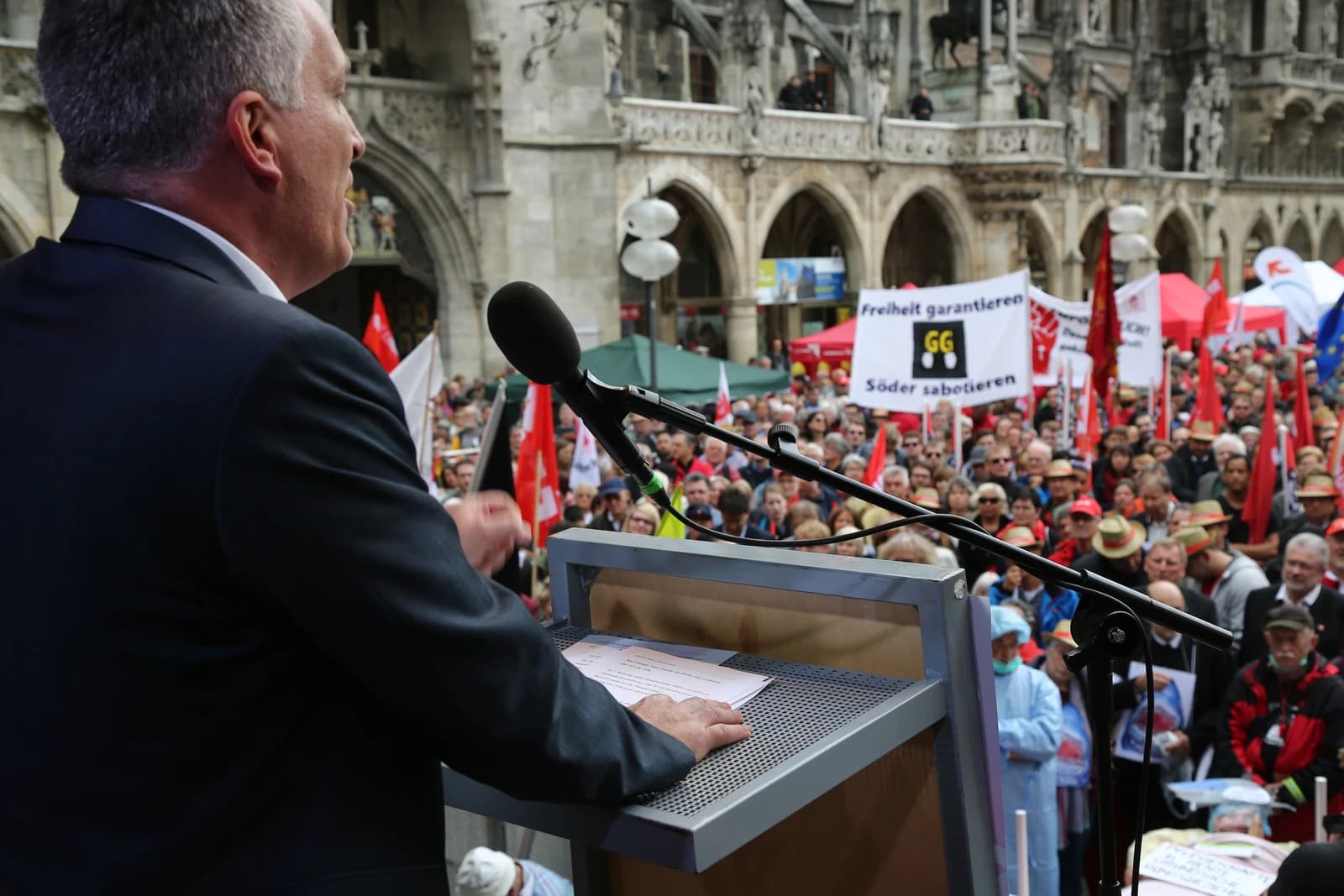
The reaction from unions makes clear how difficult that path will be. Labor groups have already pushed back hard, calling the plan unrealistic at some units, including Skoda Auto. That sets up a prolonged bargaining fight, and in Europe those disputes can become expensive fast, whether through delayed restructuring, production disruptions or legal challenges. For investors, the real issue is not whether Volkswagen can announce savings, but whether it can actually enforce them across a sprawling global workforce.
The stock market has already been punishing the shares. VWAGY has fallen to about $7.69 from the mid-$11 area earlier in the year, with the stock trading below both its 50-day and 200-day moving averages. Momentum indicators have also turned soft, which tells you sentiment is fragile even before the next round of labor news. In other words, the market is not waiting for proof of success; it is pricing in a rough turnaround.
There is a broader lesson here for long-term investors. A wage freeze is not a growth catalyst, but it can be an important survival move when an industrial giant is trying to reset its cost base for a more competitive decade. Volkswagen still has scale, brands and global reach, but those advantages only compound if management can defend profitability while the industry retools. If the company can translate labor discipline into steadier free cash flow, the shares could eventually look compelling on a multi-year horizon. For now, this is a name to watch closely, not to chase blindly.
| Entity | Gains | Losses |
|---|---|---|
| Volkswagen management | ▲Lower labor costs | ▼Worker unrest |
| Volkswagen shareholders | ▲Margin relief potential | ▼More restructuring risk |
| Unions and employees | ▲None | ▼Slower wage growth |
| Competitors with leaner cost bases | ▲Relative advantage | ▼None |