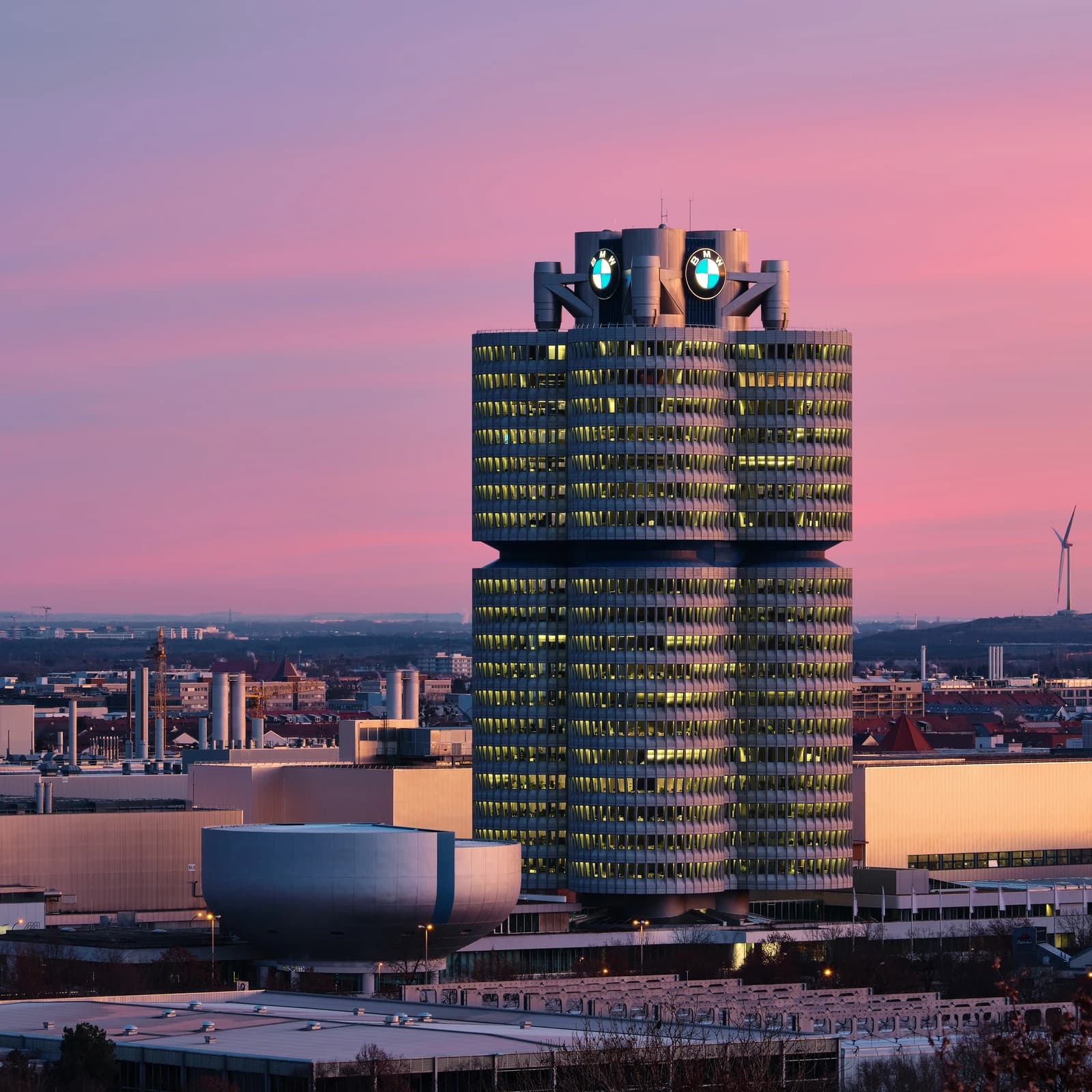
Thousands of workers stopped work at BMW and Thyssenkrupp plants in Germany, a reminder that Europe’s industrial heartland is still vulnerable to labor disruption just as carmakers and suppliers are fighting weak demand, high costs and thinning margins.
BMW, Thyssenkrupp strikes disrupt German plants
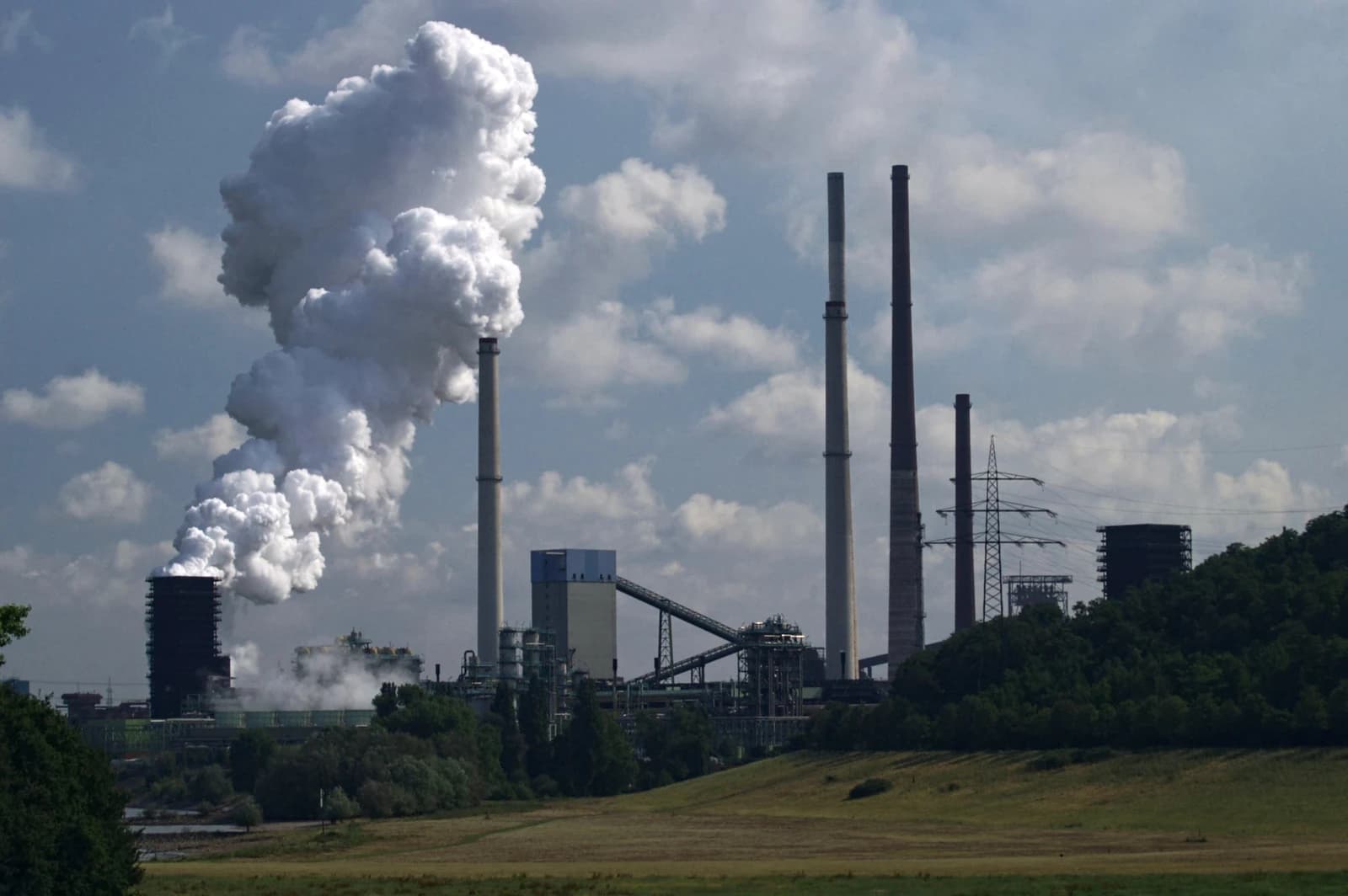
The immediate economic risk is not just a few hours of lost output. In a supply chain built on precision timing, even short stoppages can ripple through assembly schedules, deliveries and inventory planning. For automakers such as BMW, and for industrial suppliers like Thyssenkrupp Automotive, the strike action adds another layer of uncertainty to an already difficult operating backdrop.
Sentiment Indicators
The walkouts in Leipzig came as IG Metall stepped up pressure in the metalworking pay round, saying several thousand employees took part in warning strikes and that production in the early shift at BMW and Thyssenkrupp was halted for several hours. More stoppages were planned for the late shift, signaling that labor unrest could deepen if negotiators do not narrow the gap quickly.
That matters for investors because labor costs and production discipline are central to earnings expectations in the auto and industrial sectors. IG Metall is seeking a 5% wage increase over 12 months, while employers have so far offered a one-off payment next year and a 1.3% step-up in 2028 under a 26-month deal. That is a meaningful spread, and it suggests bargaining will remain tense into the next round of talks in Mannheim.
For BMW, the strike is another operational headache at a time when investors are already focused on pricing power, electric-vehicle spending and margin protection. For Thyssenkrupp, it underscores how exposed the group remains to the broader German manufacturing cycle and to labor friction across its industrial businesses.
The broader picture is that Germany’s manufacturing model is under pressure from both demand weakness and wage negotiations that are harder to absorb than in the past. If the dispute escalates, it could weigh on near-term output and reinforce concerns about competitiveness in one of Europe’s most important industrial economies.
For long-term investors, the key question is whether companies can defend margins without damaging labor relations or sacrificing market share. That is why these talks matter beyond the next shift: they are a test of how resilient German industry really is. Watch the Mannheim переговорs closely, because a compromise would calm a fragile sector, while a breakdown could keep pressure on autos and industrials well into the winter.
| Entity | Gains | Losses |
|---|---|---|
| IG Metall | ▲Bargaining leverage | ▼None if talks fail |
| BMW, Thyssenkrupp | ▲None | ▼Lost output, higher cost pressure |
| Workers | ▲Pay demands advanced | ▼Wages delayed, possible escalation |
| Investors in German industry | ▲Clarity if deal emerges | ▼Margin risk, strike uncertainty |