Volkswagen and Ford are showing how the global auto industry is being squeezed by weak demand, high European costs and the price of staying in the EV race.
Volkswagen and Ford face auto margin pressure
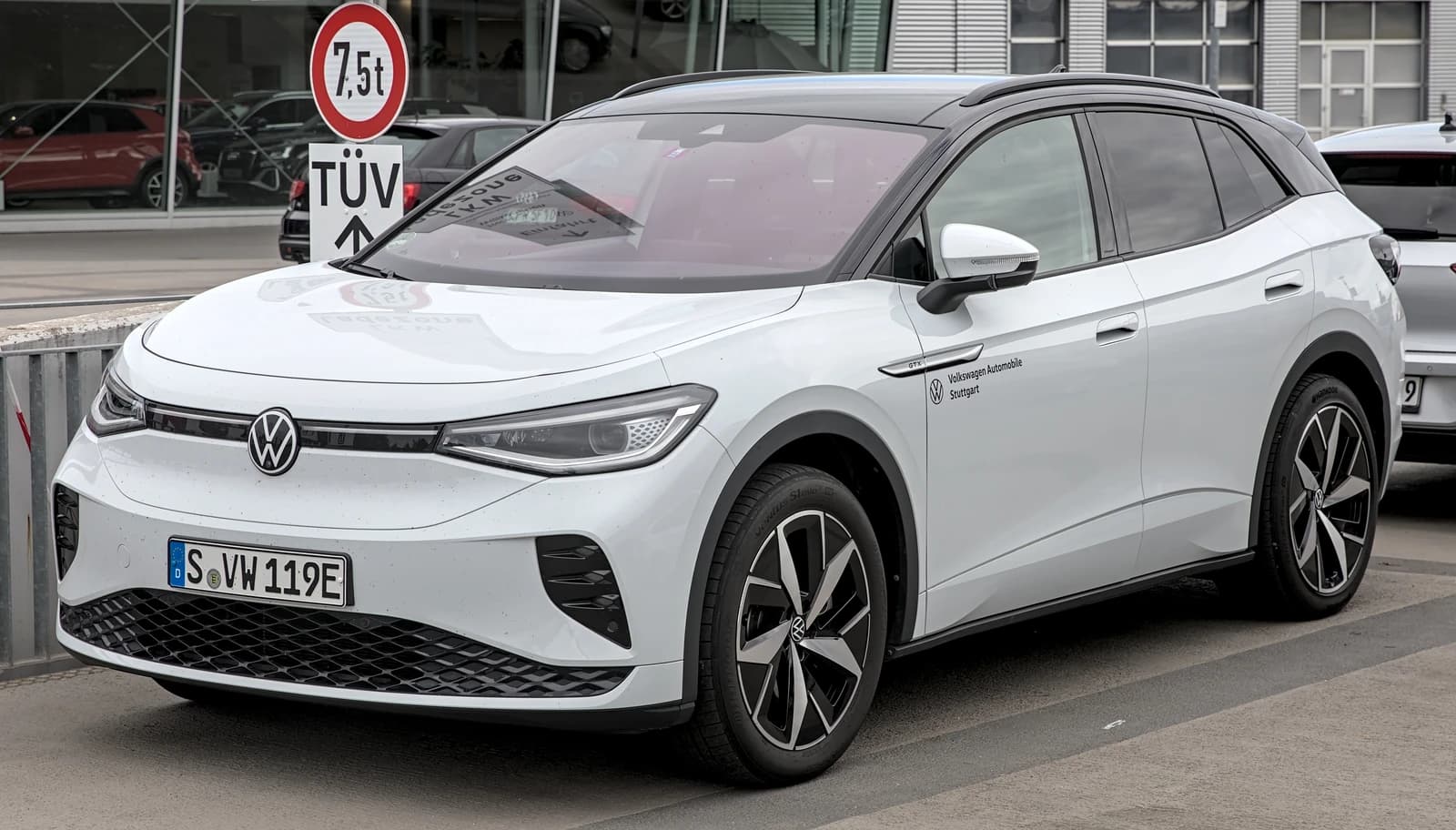
For investors, the message is that the pain is no longer confined to vehicle sales. It is moving straight into margins, compensation, capital allocation and plant strategy. That is why the most important item in the press review is Volkswagen’s internal bonus math: even after another profit warning, the group still appears to have lowered the hurdle for cash-flow-based payouts to as little as 2 billion euros, down from a target range of 3 billion to 6 billion euros for 2026. In other words, management can still be rewarded even as workers are being asked to give back in the tariff dispute.
Sentiment Indicators
That tension matters economically because it captures the central contradiction in the sector: automakers are trying to preserve cash while also defending labor peace, funding electrification and absorbing the cost of restructuring. Volkswagen’s bonus framework shows how cash preservation has become the key metric, not headline earnings. The 50-day moving average and 200-day moving average on the stock have both rolled over, with the shares trading at 65.86 euros after a sharp decline from earlier in the year, underscoring how quickly the market has repriced the earnings story.
Ford’s warning from Europe reinforces the same thesis from a different angle. The company’s European chief argued that production in Germany is expensive, but moving output elsewhere does not automatically fix the economics because relocation itself carries a cost. That is the kind of statement investors should pay attention to: it suggests the industry’s response to China’s competitive pressure and Europe’s policy mix will be slower, costlier and more defensive than bullish headlines imply. The best-positioned companies will be those with pricing power, scale and flexible footprints; the weakest will be legacy manufacturers with rigid labor structures and thin EV margins.
The broader pattern extends beyond autos. Galeria Kaufhof’s first store closures show how high-cost retail real estate continues to clear, while EVN’s plan to lift EBITDA by roughly a third by 2030 points to utility operators still able to grow through disciplined capital spending. Nscale’s hiring freeze ahead of a planned IPO shows that even the AI infrastructure trade is entering a new phase of cost discipline.
Adalytica’s Tesla Earnings Sentiment gauge, which reads 71 and in “Greed” territory, suggests the market remains willing to pay for growth stories. But the auto data argue for selectivity. The real opportunity is not in betting on the entire sector recovering at once. It is in owning the survivors with fortress balance sheets, low-cost platforms and exposure to the infrastructure behind electrification and compute, while avoiding the manufacturers that must finance restructuring while competing with China and paying Europe’s structural cost premium.
| Entity | Gains | Losses |
|---|---|---|
| Volkswagen management | ▲Easier bonus hurdle | ▼Workers seeking concessions |
| Ford scale players | ▲Long-term flexibility | ▼German production base |
| Galeria landlords/developers | ▲Project redevelopment | ▼Department store tenants |
| EVN | ▲EBITDA growth visibility | ▼Low-growth peers |