Meta Platforms, Tesla and SpaceX are set to answer the same question this earnings season: can ambitious AI and autonomy projects turn into durable cash engines, or are they still expensive options on the future?
Meta, Tesla and SpaceX Face AI Monetization Tests
That is why Dan Ives’ “big focus points” matter. The Wedensday reports are not just about whether the companies beat estimates. They are about whether three of the market’s most closely watched growth stories can prove that their biggest bets are becoming economically self-sustaining, which is what ultimately separates a narrative stock from a compounding one.
Sentiment IndicatorsⓘProprietary · adalytica.com · October 23, 2026
This is a snapshot — live sentiment, awareness and momentum for 130+ markets update continuously in the dashboard.Open AlphaPulse
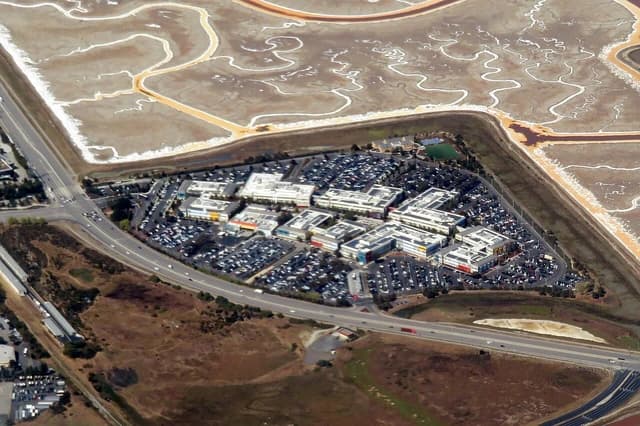
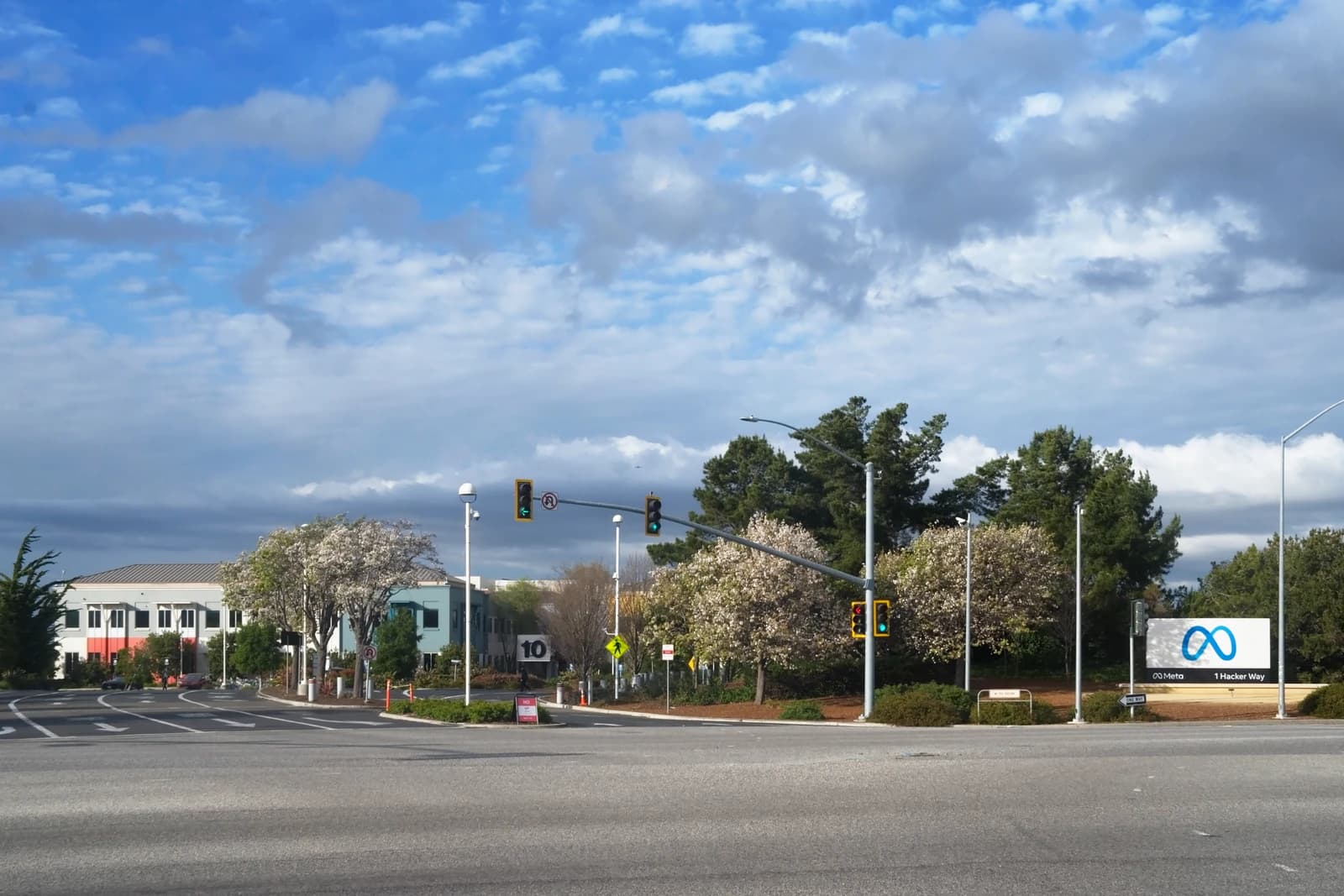
For Meta, the key issue is monetization. Ives wants to know whether the company can start earning real money from Muse on top of its core ad machine. That matters because Meta already generates substantially all of its revenue from advertising, and the next leg of growth has to come from products that either deepen engagement or create new pricing power. President Dina Powell McCormick has already suggested the company is exploring subscriptions and other recurring models, which would be a meaningful shift if users actually pay for them. For long-term investors, that is the difference between a feature and a business.
The stock market is also making a more immediate judgment. Meta shares have slid to about $645 from a recent high above $770, and the technical backdrop has weakened sharply, with the stock below both its 50-day and 200-day moving averages and its RSI dropping into oversold territory. That does not tell investors what the earnings report will say, but it does show how quickly confidence can evaporate when a premium growth name stops delivering a clean story.
Tesla Inc — 30-day sentimentadalytica.com
Explore this data interactively — full history, time series and cross-market comparisons.Open AlphaPulse
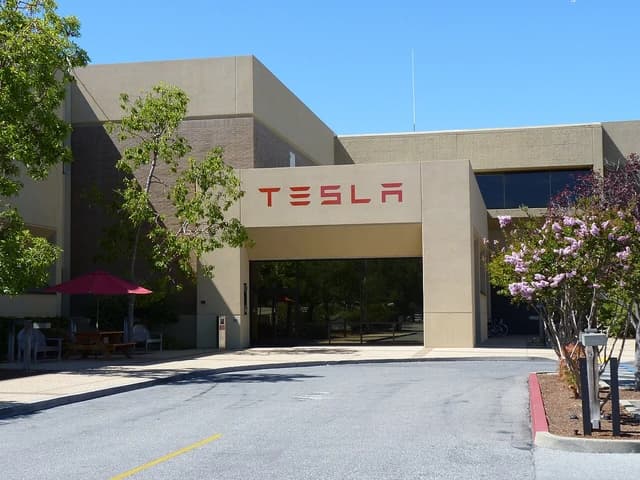
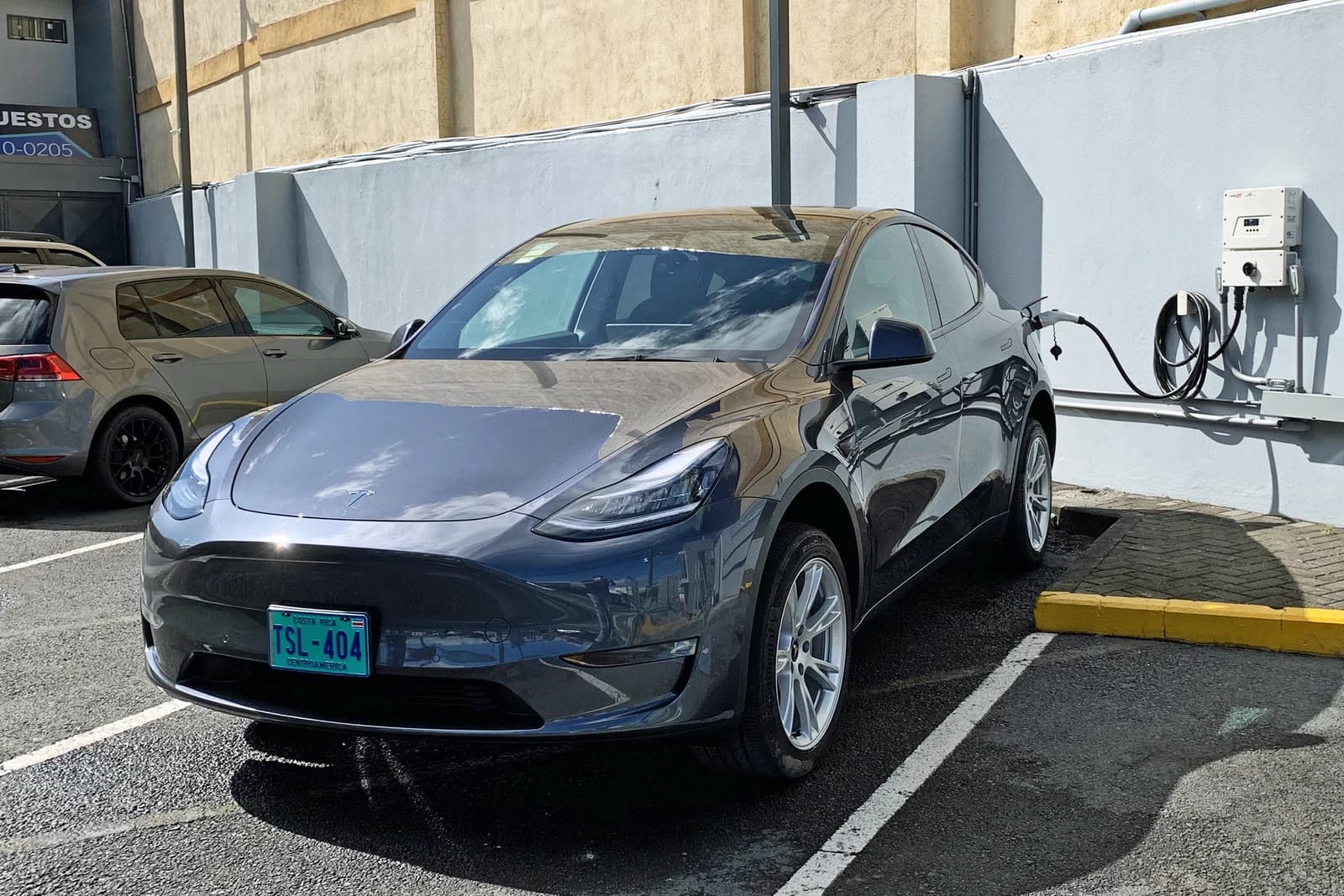
Tesla faces a different test: whether autonomy can move from optionality to a fleet. That is the central question behind the company’s robotaxi ambitions and its outreach to businesses about “Cybercab fleet vehicle purchasing.” The economics matter because Tesla may want third-party operators to finance the vehicles, but the revenue split has not been disclosed. If Tesla can turn autonomy into a scalable network business, the payoff could be enormous. If not, the project remains a long-dated promise that keeps capital tied up without near-term clarity.
Tesla shares, too, have been volatile, recently trading around $371, below the 200-day moving average. But the broader market mood remains constructive: Adalytica’s Tesla earnings sentiment gauge sits in “Greed” territory, with awareness at “Extreme Greed,” showing how much investor attention is already focused on this week’s update. That kind of enthusiasm can support valuations, but it also raises the bar. Investors are no longer waiting for a concept. They want evidence of commercialization.
SpaceX brings the financing side of the AI story into view. Ives is asking whether Starlink’s cash flow can fund an AI business that is beginning to pay for itself. That is important because SpaceX is reportedly preparing to borrow about $40 billion to buy Nvidia chips, a huge commitment that only makes sense if the company can connect launch, Starlink and AI into one self-reinforcing ecosystem. In plain English, investors want proof that the money generated by one business can finance the buildout of another without stretching the balance sheet too far.
That also explains why Nvidia matters in the background of this week’s earnings rush. Adalytica’s AI and Nvidia sentiment gauges remain elevated, reflecting just how central the chip cycle has become to the next phase of tech spending. If companies like SpaceX are willing to fund massive AI infrastructure purchases, that supports the broader investment case for semiconductor demand, cloud capacity and related infrastructure suppliers.
The bigger narrative here is that the tech sector is entering a new phase. For years, investors rewarded growth at almost any cost. Now the market is asking a tougher question: which companies can convert scale, data and user engagement into real, recurring economic returns? Meta’s answer has to come through monetization. Tesla’s has to come through autonomy. SpaceX’s has to come through cash discipline and capital allocation.
| Entity | Gains | Losses |
|---|---|---|
| Meta shareholders | ▲New monetization upside | ▼Premium valuation if growth disappoints |
| Tesla bulls | ▲Proof autonomy can scale | ▼Narratives without fleet economics |
| SpaceX/Nvidia | ▲Demand for AI chips and infrastructure | ▼Investors if debt burden looks too heavy |
| Ad buyers / users | ▲Better AI tools and engagement | ▼Higher subscription or monetization pressure |