Consumers are starting to turn generative AI from a novelty into a subscription business, with global spending on AI applications nearly $2 billion in the first quarter of 2026, almost 200 times the level of the same period in 2022.
AI app spending nears $2 billion in Q1 2026

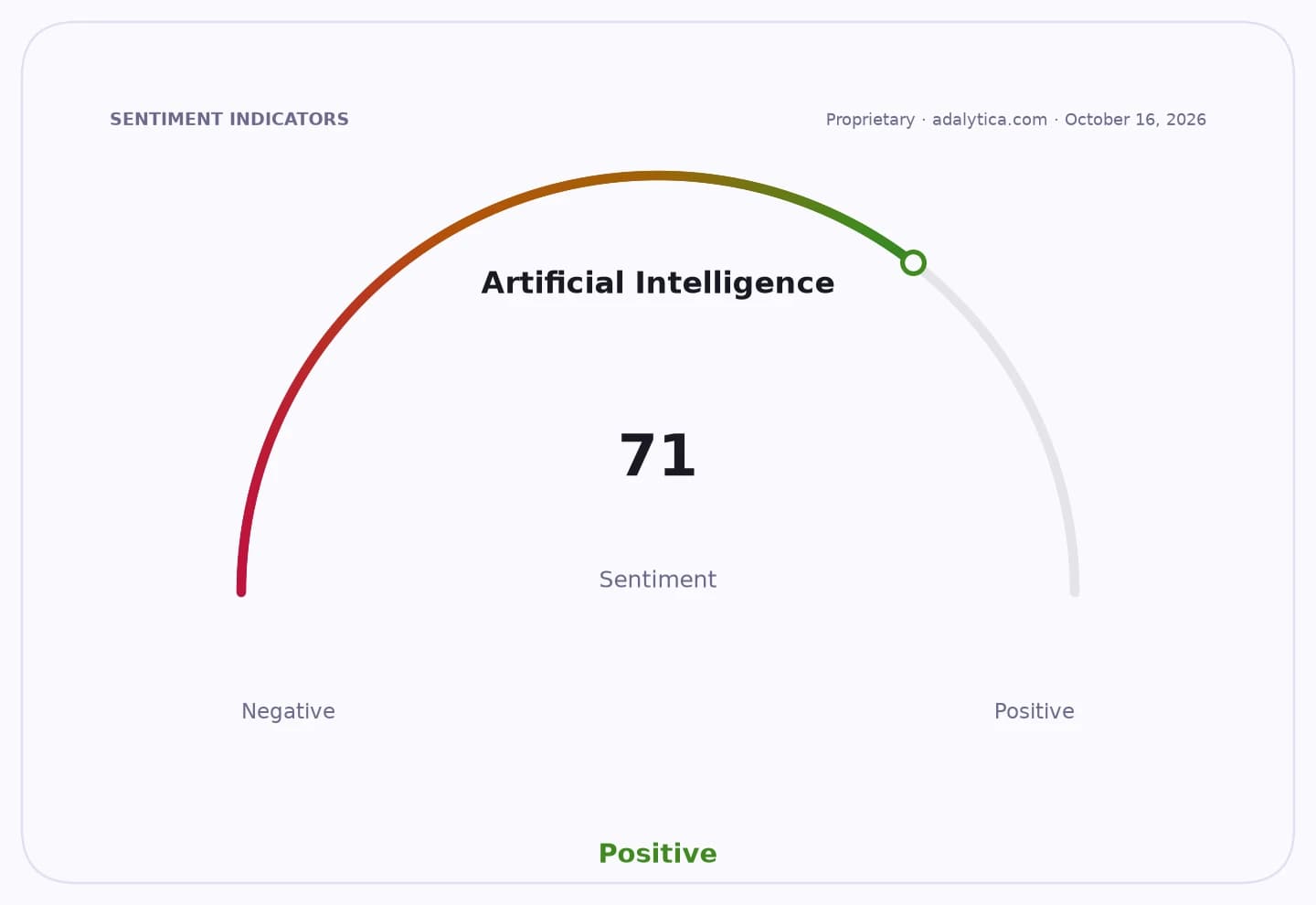
That surge matters because it suggests the market for consumer-facing AI tools is no longer being sustained only by venture funding and hype. A widening share of users is paying for premium chatbots, digital companions and content tools through app-store purchases and subscriptions, creating a clearer revenue path for developers and platform owners while reinforcing the case for continued spending on the underlying compute infrastructure.
The data, from Plasma, show the market’s expansion is not just about downloads. Consumers accumulated 36 billion hours on generative AI apps in the first half of 2026, and ChatGPT users on iOS in the US who paid for premium access rose to 8% in May from 4% in May 2024. In April, ChatGPT was being used on average 13.5 days a month, a sign that these services are moving deeper into everyday workflows rather than remaining occasional tools.
North America still generated 39% of global spending, but its share has been slipping as Europe, Asia and Latin America gain ground. That geographic broadening matters for investors because it reduces dependence on a single market and points to a larger addressable base for subscription monetization. It also suggests the next phase of growth will be driven less by early adopters in the US and more by mass-market users globally, a change that typically favors the biggest distribution platforms and the best-capitalized model providers.
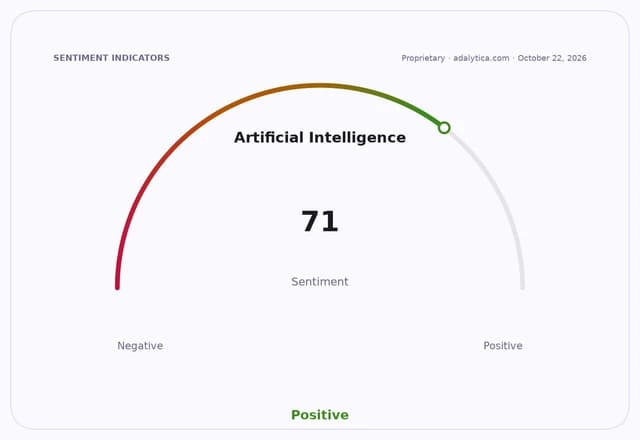
For the companies building and distributing these products, the message is mixed but important. The bull case is that higher willingness to pay validates the consumer AI category and supports a recurring-revenue model. The bear case is that monetization still trails usage growth, leaving a gap between engagement and profits that may take time to close. Even so, the scale of usage helps justify the enormous infrastructure bill behind the sector, from model training to data centers and energy demand.
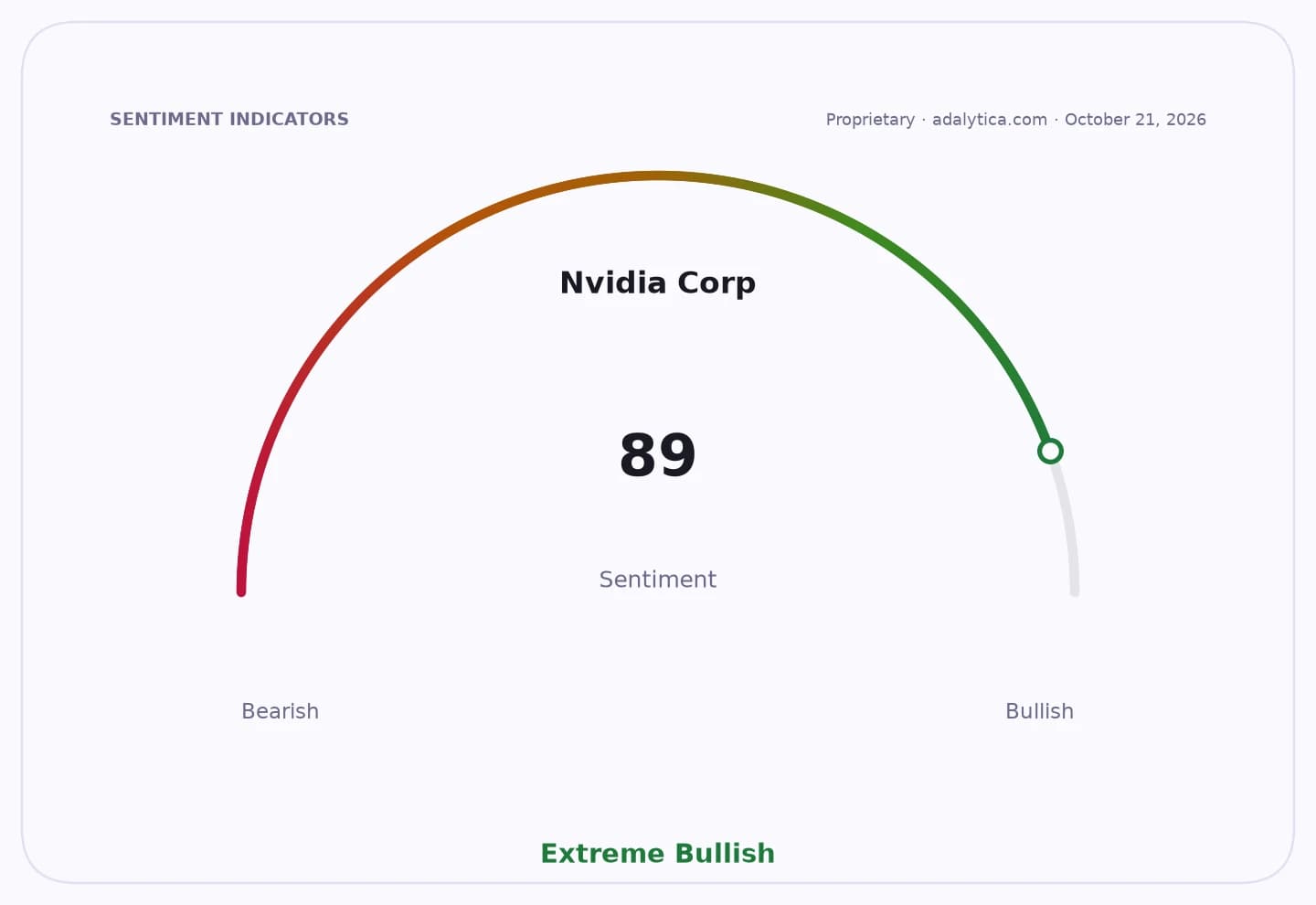
That dynamic is why large-cap AI beneficiaries such as Nvidia, Microsoft and Alphabet remain central to the trade. Their shares have already reflected the market’s assumption that AI demand will keep rising, but the spending data provide a fundamental underpinning for that view. Nvidia’s stock has traded around its 50-day moving average after a volatile run, while Microsoft and Alphabet remain above their longer-term trend levels, underscoring how investors are still pricing in durable AI demand even as valuations and execution risks remain high.
The key question now is whether consumer spending can keep compounding fast enough to support the next wave of capital investment. If app usage keeps climbing and premium conversion rises, the AI economy becomes less speculative and more like a recurring-services market. If not, the industry risks a mismatch between soaring infrastructure spending and slower-than-expected revenue capture.
| Entity | Gains | Losses |
|---|---|---|
| AI app developers | ▲Higher subscription revenue | ▼Free-user dependence |
| Nvidia, Microsoft, Alphabet | ▲Sustained AI demand | ▼Margin pressure from capex |
| Consumers willing to pay | ▲Better features and services | ▼Budget strain from subscriptions |
| Smaller AI startups | ▲Faster market validation | ▼Harder competition for paid users |