AI “prompt engineer” hype is colliding with a more practical reality for investors: as generative AI systems get better at handling natural language, the middlemen selling prompt-writing tricks are looking less like a durable business and more like a transient marketing fad.
Nvidia and Microsoft in AI Prompt Engineer Hype
That matters because the pitch around prompt engineering rests on scarcity — the idea that users need paid expertise to get value from tools that were designed to understand ordinary language. If that premise weakens, the economics of a small but noisy AI creator economy weaken with it, from paid cheat sheets and affiliate-driven courses to subscription newsletters built around supposed insider access.
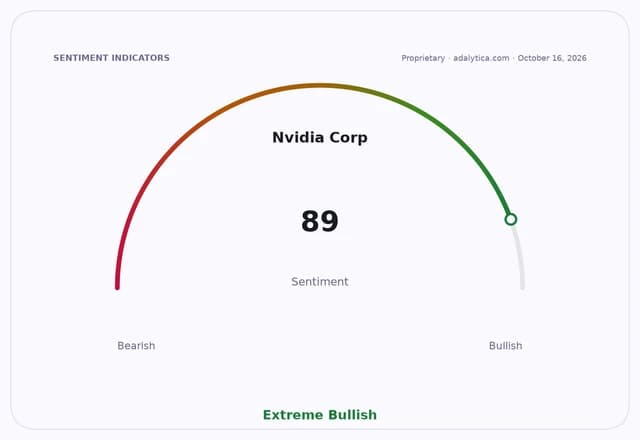
The cautionary note lands against a backdrop of heavy investment in AI infrastructure and software from larger players such as Microsoft and Nvidia, where the real money remains in chips, cloud capacity and model deployment, not in third-party “experts.” Microsoft’s latest filing warns that AI can create legal, regulatory and reputational risks, while Nvidia continues to sit at the center of demand for AI hardware even as its shares have slipped from recent highs.
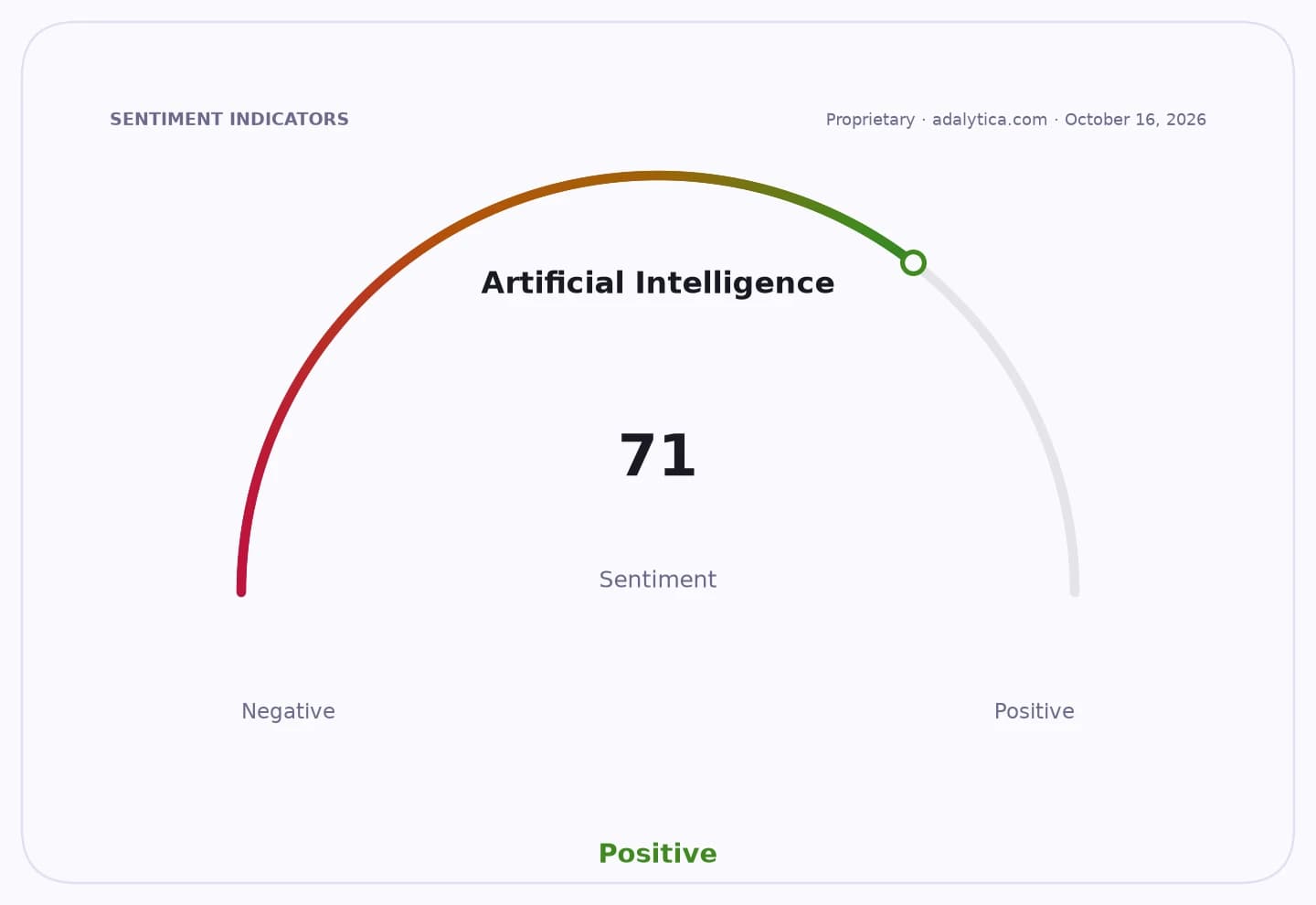
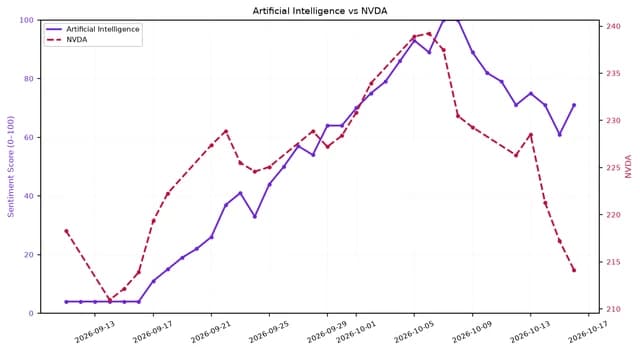
That divide matters for investors because it separates durable winners from hype-dependent monetization models. Microsoft stock closed at $529.05 on Oct. 16, above its 200-day moving average of $434.03, while Nvidia ended at $214.13, still above its 200-day average of $202.66 but below its 50-day line of $222.96 and near the lower end of its recent trading range. Nvidia’s RSI reading of 32.9 points to a technically weaker setup, even as broader AI sentiment remains elevated.
The warning signs also show up in smaller AI names and in the behavior of influencers around the sector. Shares of AI-adjacent company C3.ai have been volatile, and the company itself has disclosed risks around third-party AI outputs and competitive pressure from larger rivals. That makes the “prompt engineer” trade look more like an attention economy play than a fundamental one.
For investors, the broader narrative is straightforward: AI remains a powerful spending cycle, but the value chain is narrowing toward companies that build, supply or embed the technology at scale. The closer models get to understanding plain English, the less room there is for paid intermediaries selling the illusion of technical exclusivity.
| Entity | Gains | Losses |
|---|---|---|
| Nvidia | ▲AI hardware demand | ▼Prompt-hack side economy |
| Microsoft | ▲Broader AI adoption | ▼Paid intermediary hype |
| AI creators/influencers | ▲Short-term monetization | ▼Credibility if utility fades |
| Users/investors | ▲Simpler AI use cases | ▼Money spent on low-value services |