AI is now able to generate and transform images, voice, music and video with enough fidelity that the real economic question is no longer how to make the content, but what to ask it to make.
NVIDIA, Microsoft and AI content tools
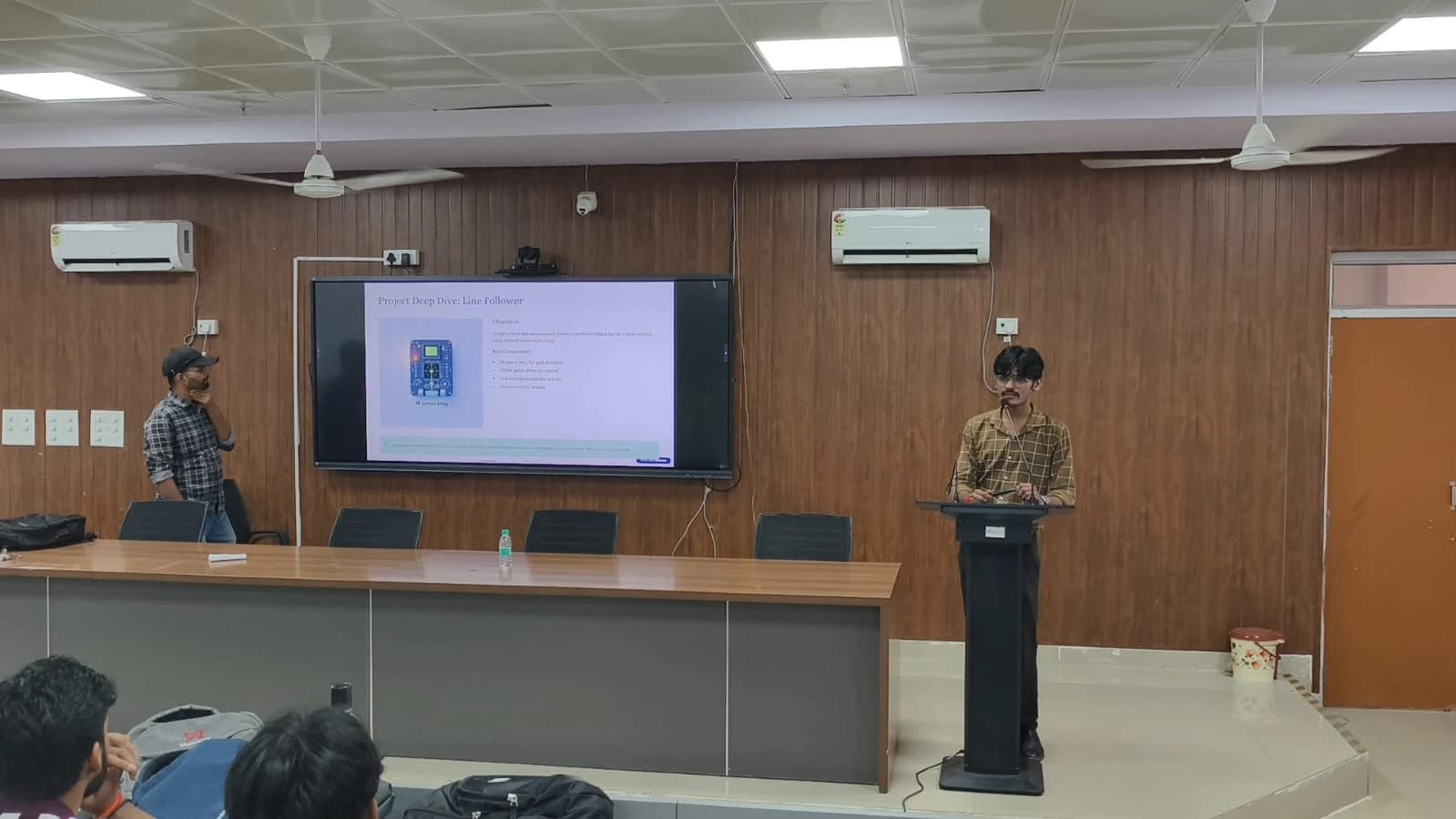
That is the central message of JoCoding’s second AI literacy lecture, which demonstrates how far generative tools have advanced in just three years — from AI that once produced obvious errors such as six-fingered hands to systems that can turn a smartphone hamburger photo into studio-quality imagery, synthesize emotive voiceovers, compose event-specific songs and create a 30-second music video from a single prompt.
The significance goes well beyond a viral demo. As AI capability broadens from text generation into multimodal content production, it lowers the cost of marketing, training, design, entertainment and corporate communication. For businesses, that means faster content cycles and lower production expenses. For workers and investors, it raises a different issue: the value is shifting from technical execution to prompt design, workflow integration and quality control.
The lecture’s framing — “what to ask” rather than “how to make it” — captures the next phase of AI adoption. In practice, that shift favors companies and teams that can embed generative AI into repeatable production pipelines. It also pressures firms that rely on manual creative labor, outsourced production or slow approval processes, because output that once required specialist vendors can now be prototyped in minutes.
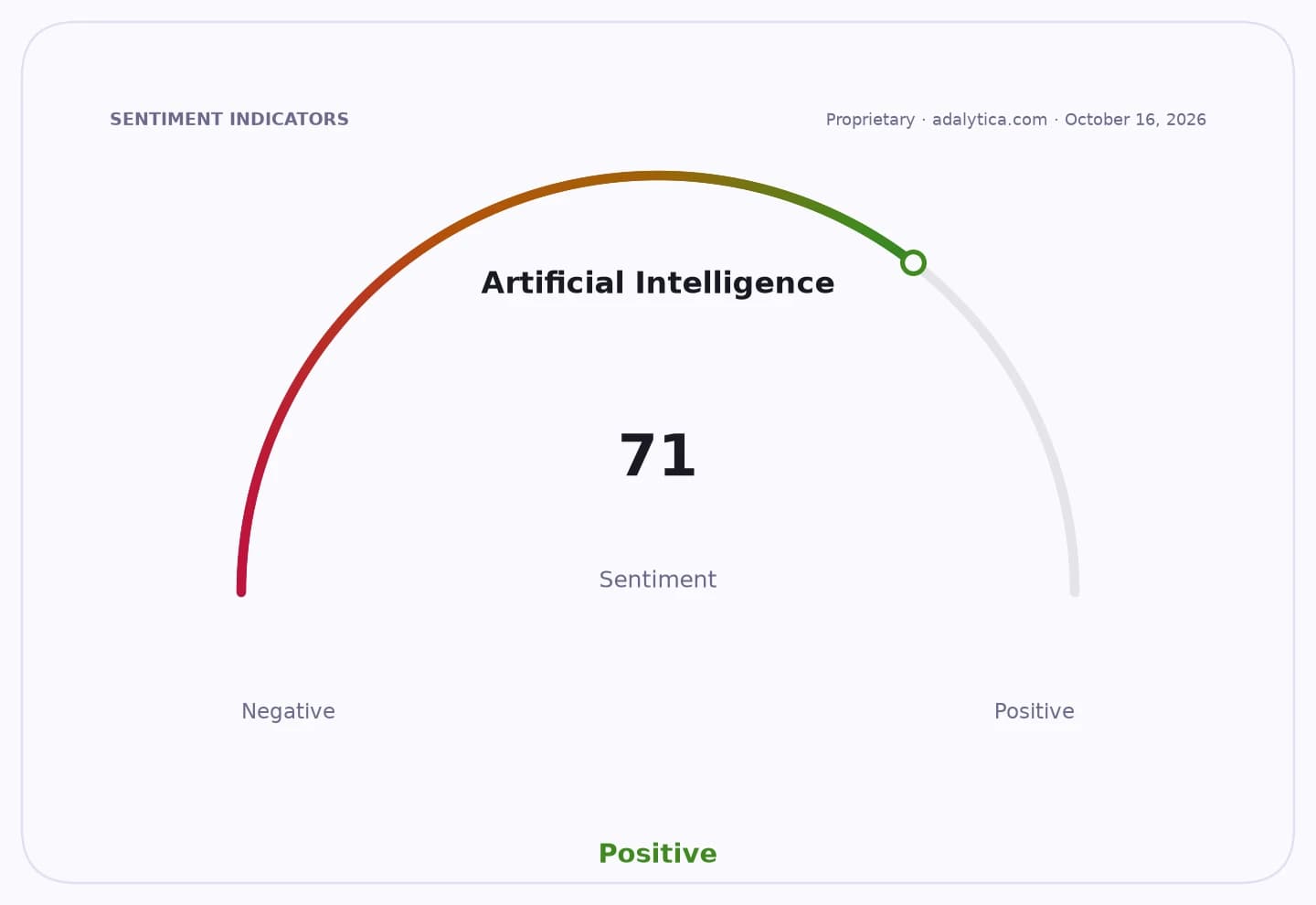
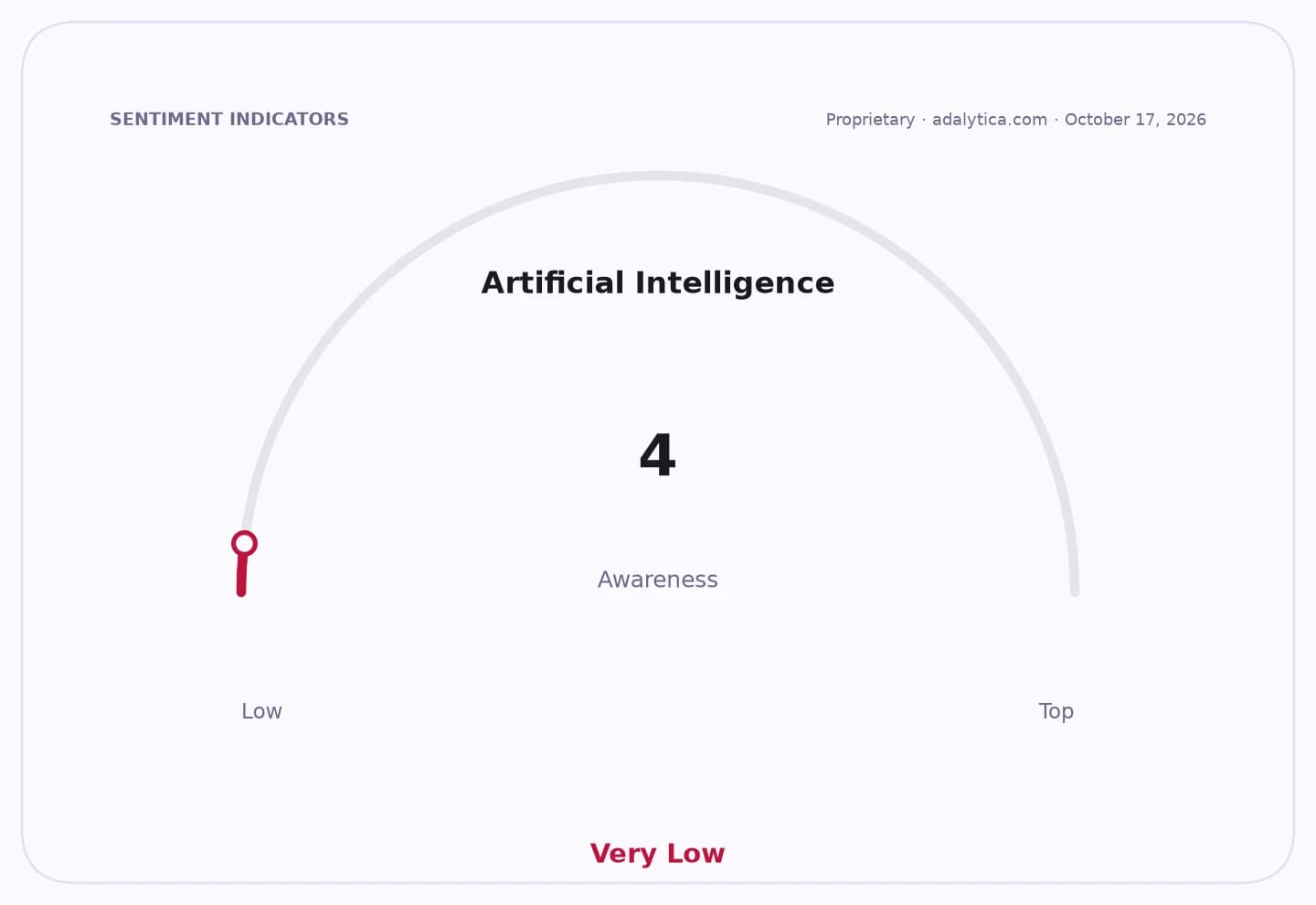
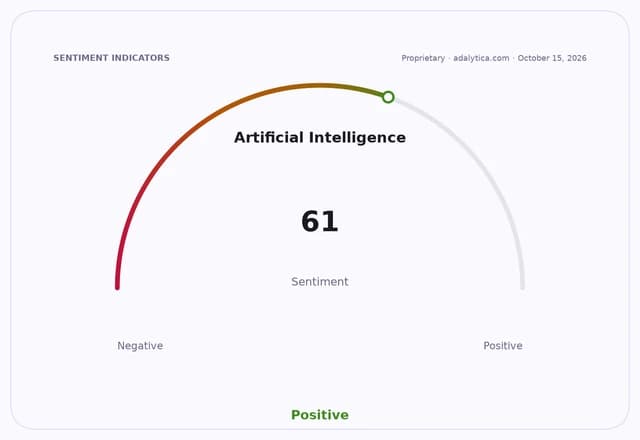
Artificial Intelligence — 30-day sentimentadalytica.com
Explore this data interactively — full history, time series and cross-market comparisons.Open AlphaPulse
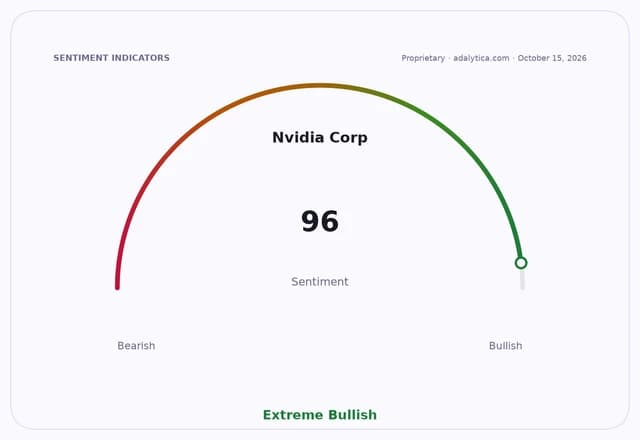
For investors, the implication is that AI demand is moving deeper into the application stack. The winners are likely to be the platforms, chipmakers and software vendors that capture usage across image, audio and video generation, as well as companies building enterprise controls around safety, rights management and provenance. The losers are businesses whose margins depend on labor-intensive content creation and those slow to adapt existing products to multimodal workflows.
That backdrop helps explain the market’s continuing focus on AI infrastructure names. NVIDIA’s shares have remained highly volatile even as the stock trades well above long-term trend measures, with the 50-day moving average around $223.09 on the latest reading and the shares at $221.30 on Oct. 14. The stock’s recent pullback from an Oct. 13 close of $228.52 came after a strong run earlier in the year, underscoring how quickly expectations can swing even in the dominant hardware supplier for AI workloads. Microsoft, meanwhile, remains central to the commercialization story through cloud and software distribution, but its shares have also shown more uneven momentum, closing at $533.69 on Oct. 14 after touching $543.45 the prior day.
The broader narrative is that AI literacy is becoming a commercial skill, not just a technical one. As model quality improves, the competitive edge increasingly goes to organizations that understand how to direct AI systems across formats, police output quality and translate one prompt into multiple business uses. That should keep demand strong for compute, model access and enterprise tooling, but it also means the next phase of adoption will be judged less by novelty and more by measurable productivity gains.
| Entity | Gains | Losses |
|---|---|---|
| AI platforms | ▲Higher usage demand | ▼More scrutiny |
| NVIDIA | ▲More compute demand | ▼Volatile expectations |
| Microsoft | ▲Enterprise AI monetization | ▼Slower product adaptation |
| Manual content producers | ▲Lower execution value | ▼Pricing pressure |