Ford is pressing to win a large U.S. military order for new pickups, a contest that matters far beyond one government contract because it could turn a cyclical auto name into a steadier defense-adjacent cash generator while threatening General Motors’ grip on one of the most attractive fleet markets in America.
Ford Eyes Military Pickup Contract
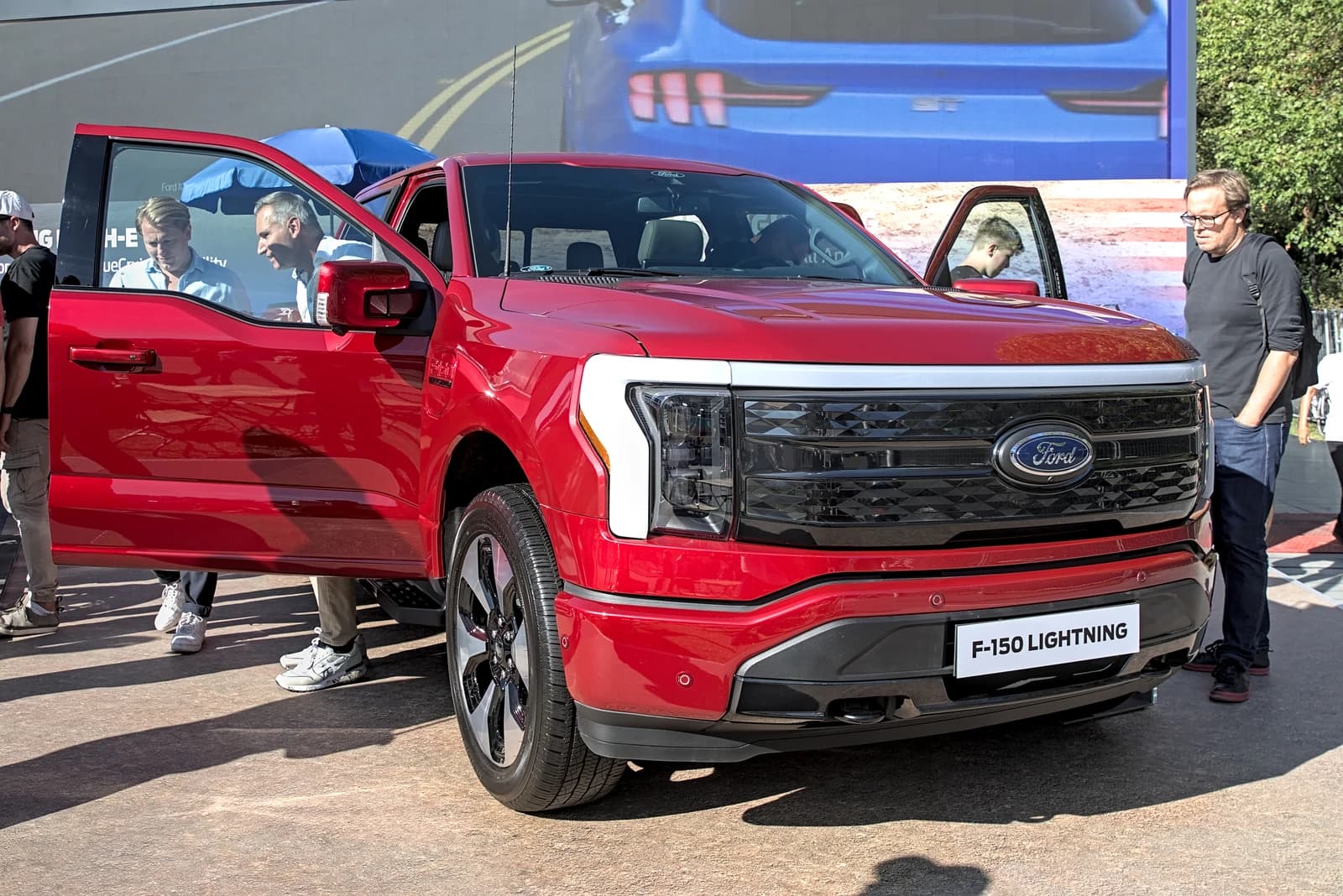
The economic significance is straightforward: military and government vehicle purchases are less discretionary than consumer truck demand, and they can support plant utilization, supplier orders and margins at a time when the broader auto cycle is under pressure from tariffs, incentives and uneven demand. If Ford wins, the prize is not just incremental revenue. It is proof that the company can leverage its truck know-how, industrial footprint and fleet relationships into a more durable stream of business with lower demand volatility than retail showroom sales.
Sentiment IndicatorsⓘProprietary · adalytica.com · July 27, 2026
This is a snapshot — live sentiment, awareness and momentum for 130+ markets update continuously in the dashboard.Open AlphaPulse
That is why the market should care. Ford shares have already staged a sharp rerating this year, with the stock closing at 14.48 on Monday, well above its 200-day moving average of 13.08 and near the top of its recent range. Technical indicators show momentum remains constructive, with the 50-day moving average at 14.41 and RSI at 69.4, suggesting investors are still willing to pay for the idea that Ford’s truck franchise can keep outperforming. In that setup, a military win would reinforce the bullish case that Ford is building an underappreciated second engine of growth.
GM, meanwhile, is not standing still. The automaker has told investors in its latest filing that full-size pickup trucks and SUVs remain central to its high-margin mix, which underscores why losing a government truck order would matter strategically as well as financially. GM shares have also powered higher, but Ford’s challenge lands at a sensitive moment: the market is already rewarding both companies for truck strength, and any evidence that Ford can steal a defense-related fleet contract from its bigger rival could shift investor expectations about who has the stronger lock on profitable pickups.
The broader narrative is that investors still underprice the value of fleet and government channels in a capital-intensive industry where volume alone no longer guarantees returns. In an environment where the S&P 500 is flashing fear by Adalytica’s trade signals, durable industrial cash flow matters more than ever. A military pickup deal would not transform Ford overnight, but it would strengthen the thesis that the company’s truck dominance is becoming more strategic, more defensive and more investable.
If Ford secures the order, expect the stock to gain another layer of credibility as a pickup and fleet leader. If GM keeps it, the lesson is the same: the battle for America’s biggest truck contracts is becoming a meaningful battleground for margin, market share and long-term valuation. For investors, the best position is to own the company that converts truck scale into recurring, less cyclical demand — and right now Ford is making that case more aggressively.
| Entity | Gains | Losses |
|---|---|---|
| Ford | ▲Fleet scale and defense credibility | ▼GM’s pickup dominance narrative |
| General Motors | ▲If it keeps the contract, margin stability | ▼Share of profitable fleet business |
| U.S. military | ▲More supplier competition | ▼Little, unless procurement delays linger |
| Ford shareholders | ▲Potential rerating on steadier cash flows | ▼None if contract slips to GM |