Ford is recalling about 86,000 Mustang Mach-E SUVs in the U.S. because loose interior pieces could detach and fly off while driving, adding to a run of safety and quality problems that can dent margins, raise warranty costs and keep regulators focused on the automaker’s electric-vehicle rollout.
Ford recalls 86,000 Mustang Mach-E SUVs over loose pieces
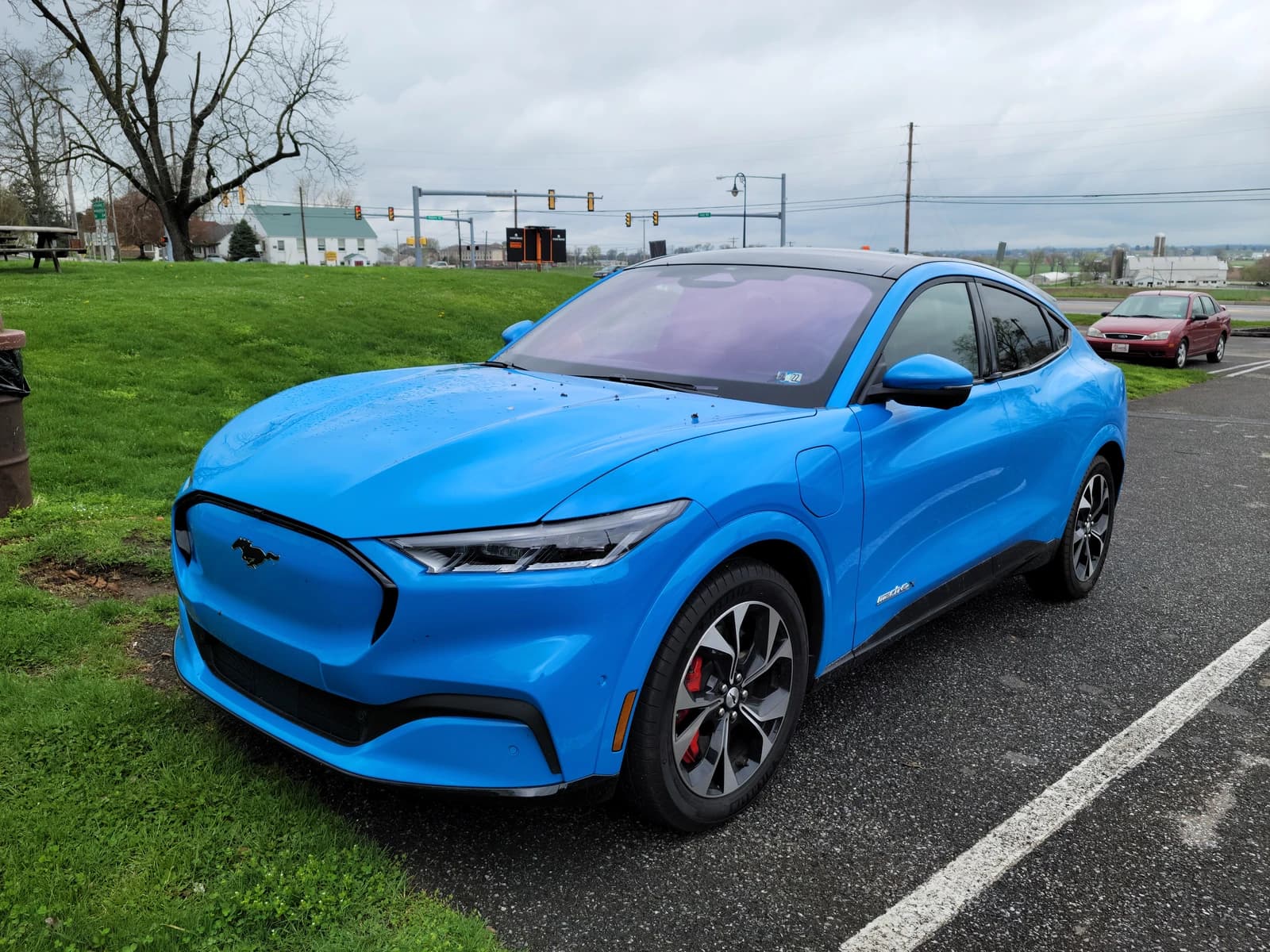
The National Highway Traffic Safety Administration said the recall covers 2023 through 2025 model-year Mach-E vehicles, underscoring that Ford’s EV business remains vulnerable to execution errors even as the company works to scale a lineup meant to compete with Tesla and General Motors. A defect that can turn into a road hazard is more than a customer-service issue: it creates the risk of injuries, claims, expedited repairs and reputational damage at a time when consumers are already scrutinizing EV reliability and resale values.
Sentiment IndicatorsⓘProprietary · adalytica.com · August 5, 2026
This is a snapshot — live sentiment, awareness and momentum for 130+ markets update continuously in the dashboard.Open AlphaPulse
For investors, the issue matters because Ford’s profit narrative increasingly depends on proving it can control manufacturing complexity while pushing deeper into electric vehicles. Recalls do not usually move a company’s earnings model on their own, but repeated quality lapses can erode pricing power, slow adoption and force higher spending on remediation. That is especially relevant for a business already balancing heavy investment needs against cyclical pressure in its traditional auto operations.
Ford shares have been trading well above the 50-day moving average in recent months, but the stock has also shown sharp swings, reflecting how quickly sentiment can shift around execution risk. The latest technical readings show the shares near $14.19, close to the 50-day average around $14.55, suggesting investors are still treating Ford as a story of improving fundamentals, but not one immune to fresh setbacks.
The recall also lands against a broader backdrop of intensifying scrutiny of automakers’ safety systems. In the EV market, software, batteries and structural components have all become sources of recalls and costly fixes, and even seemingly minor defects can have outsized consequences because they feed a wider debate about whether legacy manufacturers can match Tesla’s pace or scale without sacrificing quality. For Ford, the immediate task is to contain the repair burden and reassure regulators that the Mach-E problem is isolated. The bigger challenge is to convince investors that this is a manageable recall, not another sign that the company’s EV execution still trails its ambitions.
| Entity | Gains | Losses |
|---|---|---|
| Ford owners | ▲Free repair | ▼Vehicle inconvenience |
| Ford | ▲Containment if fix is quick | ▼Warranty costs and reputation |
| NHTSA | ▲Safety enforcement | ▼Ongoing oversight burden |
| EV rivals | ▲Relative quality contrast | ▼None directly |