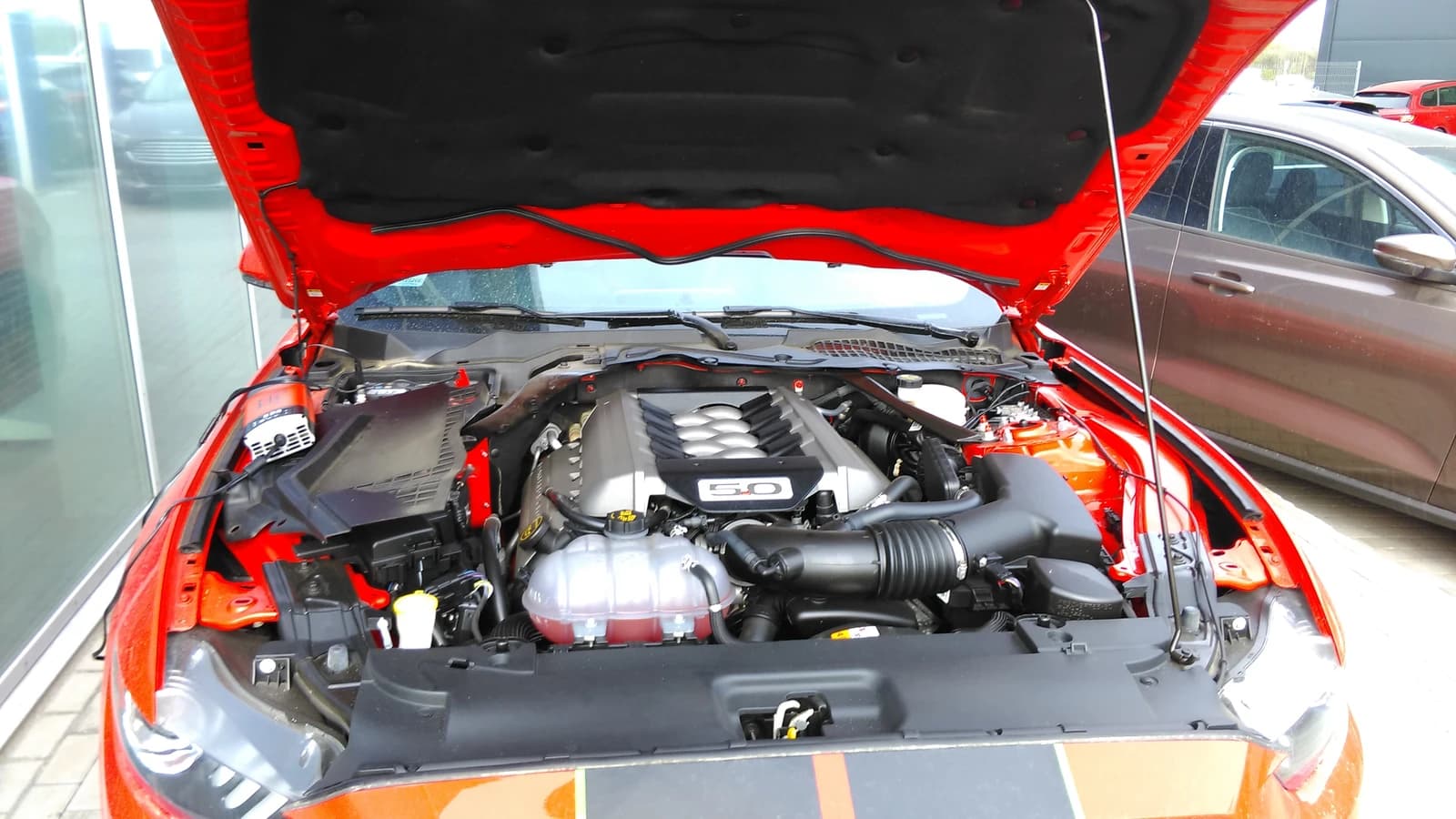
Ford has предложed salary increases of as much as 5% above consumer prices for workers at its Almussafes plant in Spain, a move that underlines how closely pay, flexibility and guaranteed volumes are now tied together in one of Europe’s most important auto negotiations.
Ford Spain plant pay offer tied to output

The offer matters because Almussafes is not just a labor dispute; it is part of Ford’s wider industrial restructuring in Europe. The company’s agreement with China’s Geely has improved the production outlook at the Valencia site despite pressure from the Trump administration’s tariff threats, allowing Ford to put forward what it described as a final four-year package linked to the 2022 electrification accord. For Ford, the trade-off is clear: higher labor costs in exchange for keeping a plant that has a future product pipeline and enough work to stay relevant.
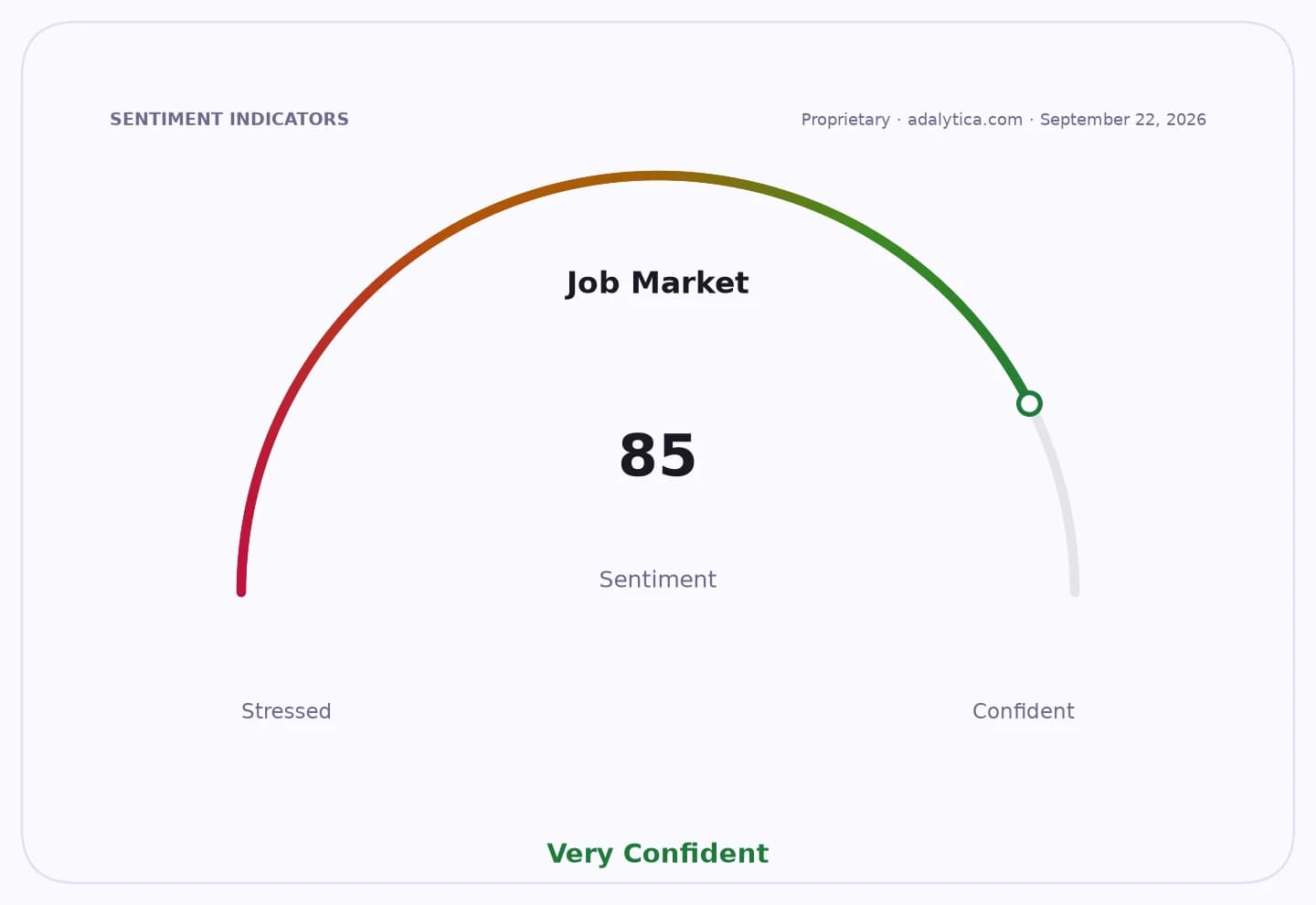
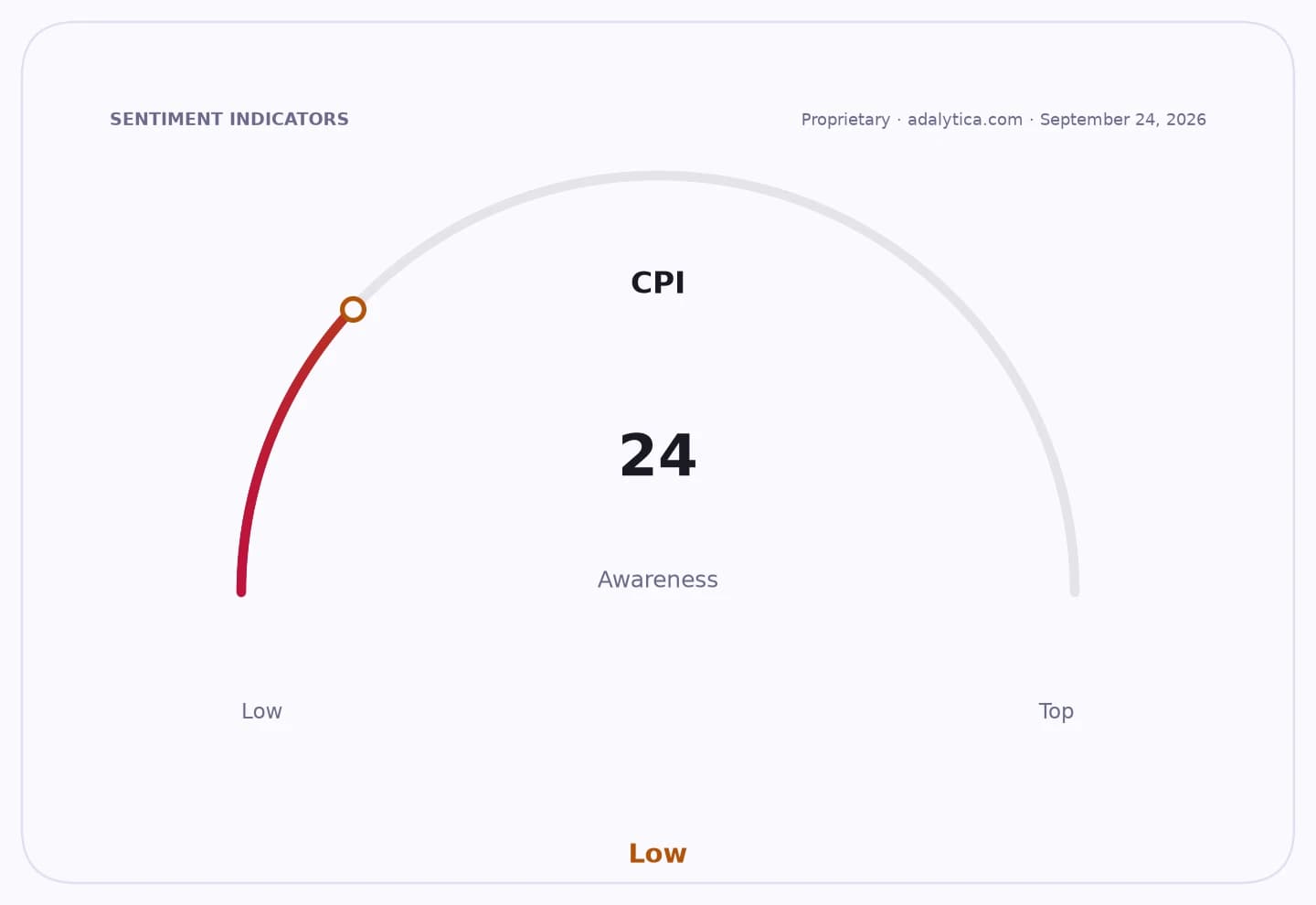
Sentiment IndicatorsⓘProprietary · adalytica.com · September 12, 2026
This is a snapshot — live sentiment, awareness and momentum for 130+ markets update continuously in the dashboard.Open AlphaPulse

Under the proposal, wages for 2027 would rise by inflation plus 1.5%, with a floor of 3% and a ceiling of 5%. From 2028 through 2030, the offer is inflation plus 1%, with a guaranteed minimum of 2.5% and the same 5% cap each year. Across the life of the deal, cumulative pay growth could reach 20%. Ford also предложed lifting the annual extraordinary bonus to 1,000 euros from 690 euros, and creating temporary premium roles worth 5% to 6% of gross annual salary during launch periods.
That package is economically significant because it shifts the plant’s cost base at a time when automakers are trying to protect margins while financing electrification, new models and supply-chain adjustments. Ford is also seeking flexibility to schedule up to eight mandatory Saturdays a year if output requires it, with workers compensated through the agreement’s flexibility premium. The company wants to move industrial days into vacation periods during lower activity, including the early phase of the 2027 launch cycle, which would help smooth production without cutting pay.
For investors, the key question is whether Ford can secure labor peace while preserving the economics of a strategic European asset. The Valencia plant’s future production load has been a major overhang, so any settlement that locks in output reduces execution risk. But the deal would also lock in higher wage inflation and more elaborate pay structures, a reminder that automotive restructuring rarely comes free. That tension is especially relevant for Ford as it tries to keep Model e losses contained while defending returns in its higher-margin business.
The response from unions suggests a deal is within reach. UGT said the proposal strikes a realistic balance between better economic and social conditions for workers and the operational flexibility needed to keep the Valencia plant competitive. In other words, both sides appear to recognize that the plant’s survival depends on sharing the burden of the transition.
The next catalyst is the negotiating session scheduled for the end of next week. If approved, the offer would give Ford a clearer runway for Almussafes and reduce the risk of disruption at a plant now being asked to adapt to a slower, more expensive and more electrified industrial model.
| Entity | Gains | Losses |
|---|---|---|
| Ford Almussafes plant | ▲Output visibility | ▼Wage-cost pressure |
| Workers at Almussafes | ▲Higher pay and bonuses | ▼More flexible schedules |
| Ford | ▲Labor stability | ▼Higher fixed compensation |
| Unions | ▲Better wage terms | ▼Need to sell deal internally |