Fortescue’s lawsuit over an allegedly defective pipeline at its Iron Bridge magnetite project is another reminder that Australia’s big-ticket mining expansions can go wrong in expensive ways.
Fortescue sues over Iron Bridge pipeline defect
The case matters because Iron Bridge was already dramatically over budget, and any claim that a key pipe was defective goes straight to the heart of why miners fear project execution risk as much as commodity prices. For Fortescue, the legal fight is not just about recovering costs. It is about protecting a project that was meant to broaden the company beyond its core Pilbara iron ore business and has instead become a symbol of how quickly technical problems can erode returns.
That is why investors should pay close attention. Fortescue, which trades under FMG.AX, has seen its share price fall to A$15.34 from A$22.39 earlier this year, while the stock sits well below its 200-day moving average. The recent decline suggests the market is already discounting weaker sentiment around the company’s growth projects and execution record. When a miner with Fortescue’s scale and backing is suing contractors over infrastructure faults, it raises the bar for future capital spending and can make investors more cautious about ambitious diversification plans.
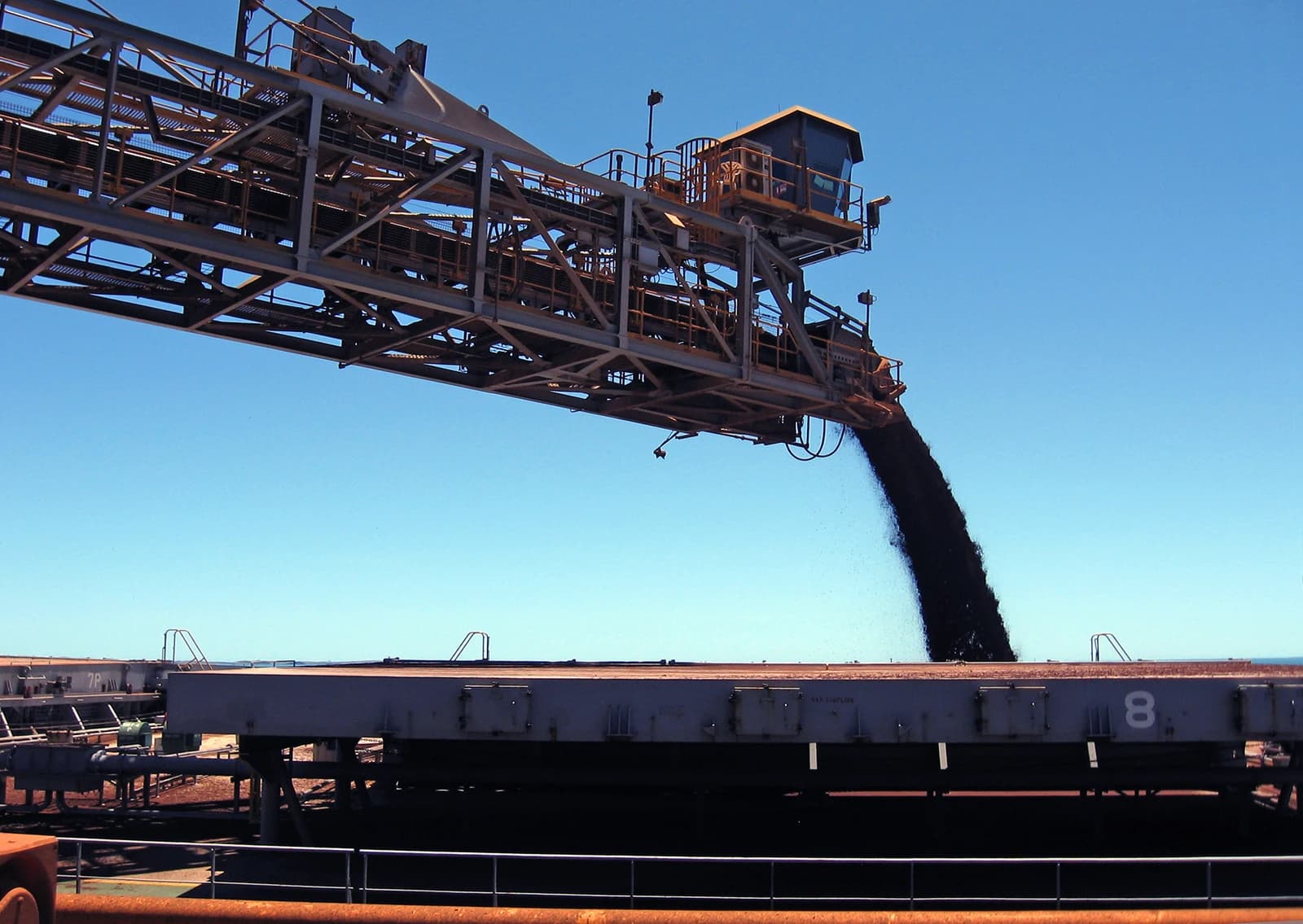
Iron Bridge has long been one of Fortescue’s most closely watched projects because magnetite is a tougher, more processing-intensive business than the company’s flagship hematite operations. That means every delay, repair bill or legal dispute can weigh on the economics for years. A pipeline problem at the site is especially sensitive because slurry and transport systems are central to magnetite production; if those systems leak or fail, the knock-on effect can be shutdowns, maintenance costs and lower output.
The broader message for the mining sector is simple: scale does not eliminate construction risk. It can magnify it. Fortescue’s dispute will be watched not only by its shareholders, but also by contractors, equipment suppliers and rival miners weighing their own project pipelines. Companies such as Rio Tinto and Vale, while far larger and more diversified, are operating in the same capital-intensive industry where overruns can destroy value faster than rising commodity prices can create it.
For long-term investors, the takeaway is not to trade around every headline, but to distinguish between durable operating franchises and expensive side bets. Fortescue still has a powerful iron ore cash engine, but Iron Bridge is a reminder that new mines need to earn trust, not just capital. The legal case may help recoup some losses, but the bigger question is whether the project can ever deliver the returns originally promised. Worth watching, and worth demanding a lot more proof from management.
| Entity | Gains | Losses |
|---|---|---|
| Fortescue | ▲Potential cost recovery | ▼Legal distraction, project uncertainty |
| Contractors/suppliers | ▲None if fault proven | ▼Liability, reputational damage |
| Fortescue shareholders | ▲Possible accountability | ▼Value dilution from overruns |
| Rival miners | ▲Cautionary lesson | ▼Sector-wide skepticism on new projects |