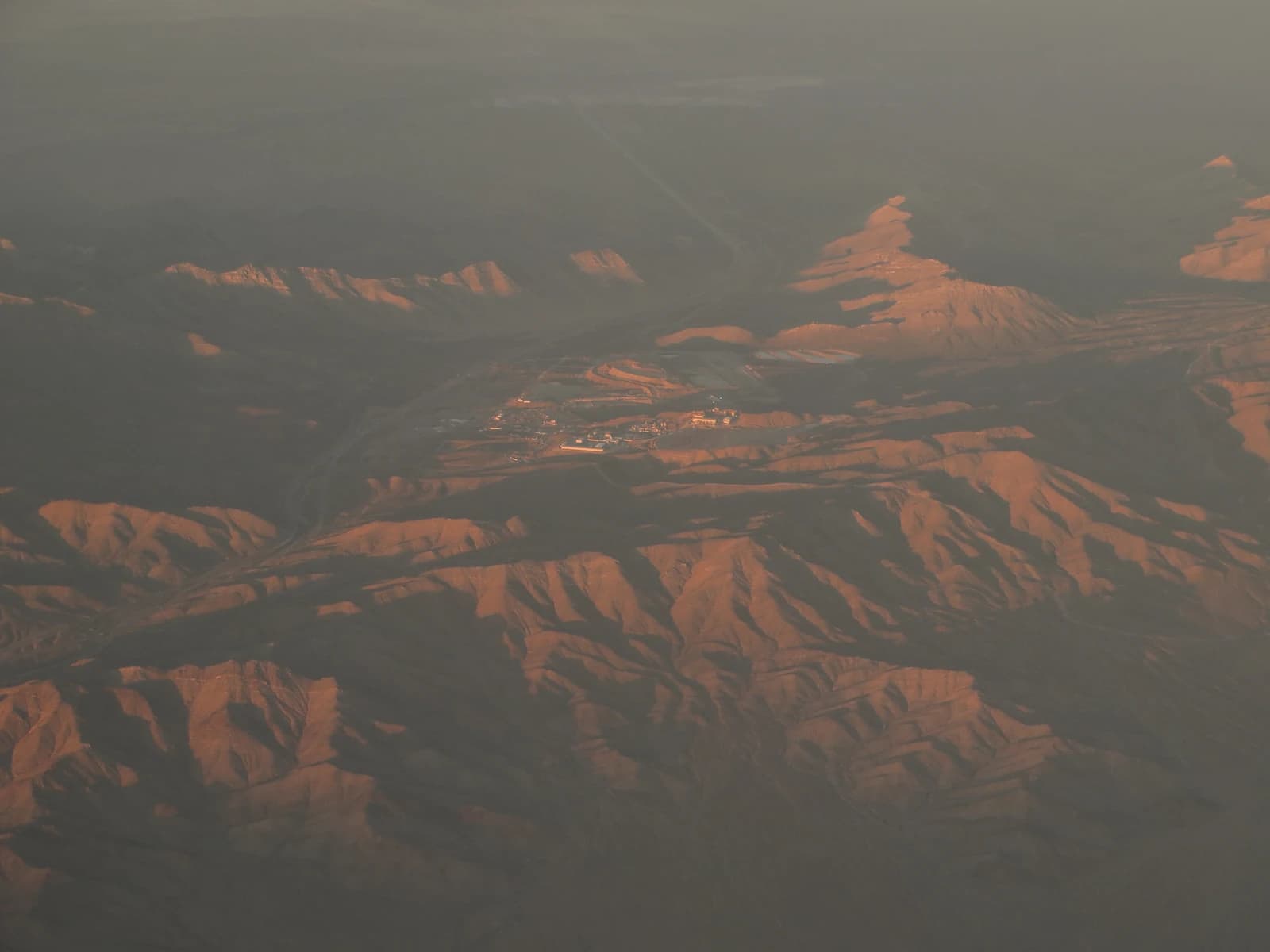
The start of production at Skouries marks a major shift for Greece’s mining sector and for Europe’s push to secure critical raw materials, turning a long-delayed project into a revenue-generating asset with strategic value in copper and gold.
Skouries mine starts production in Greece
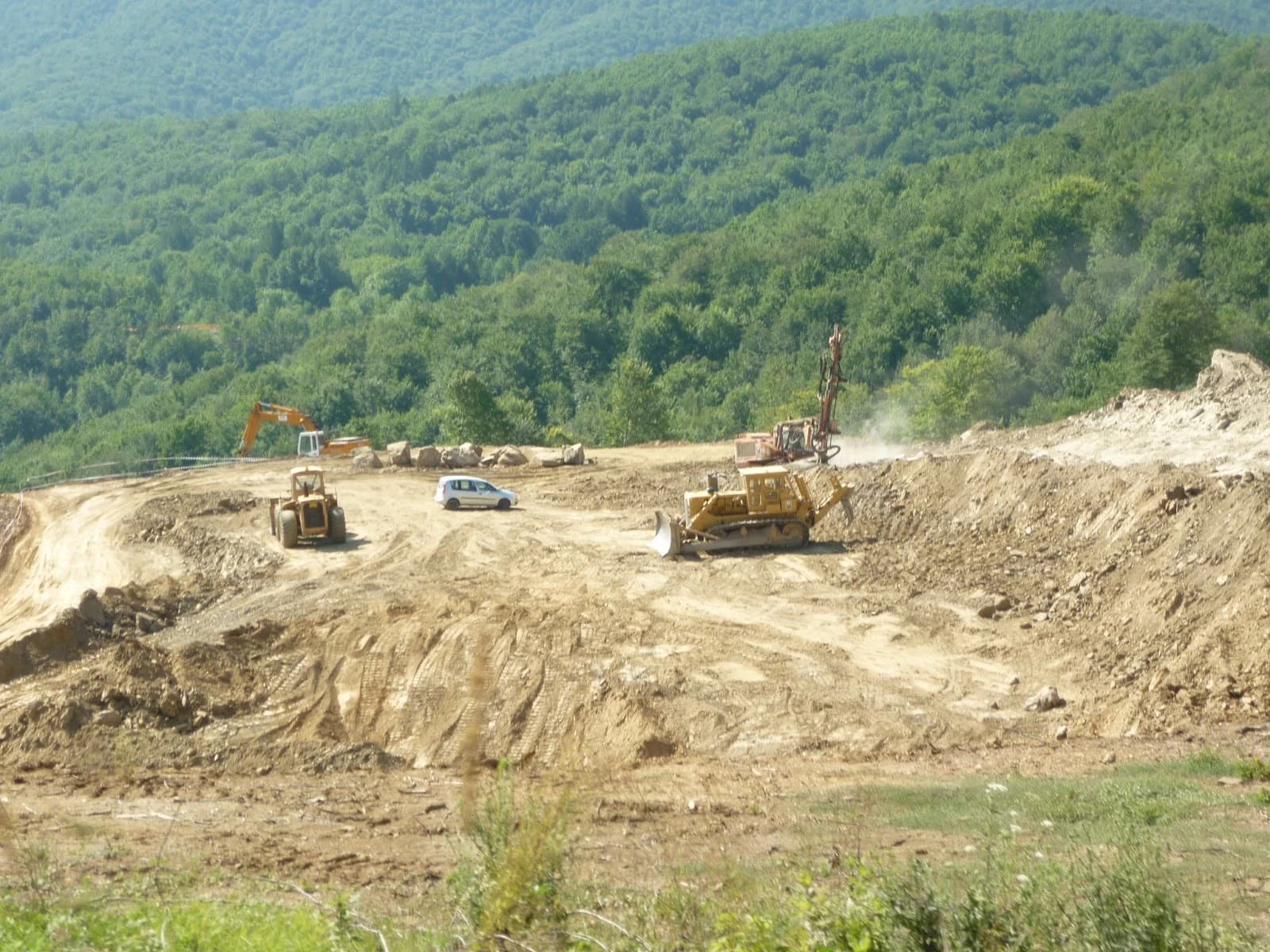
For investors and policymakers, the significance is less about one mine than about what it represents: a domestic European source of copper at a time when electrification, grid upgrades, renewables and EV manufacturing are driving structural demand. In that context, Skouries is being positioned not just as a mining project but as industrial infrastructure tied to supply-chain security.
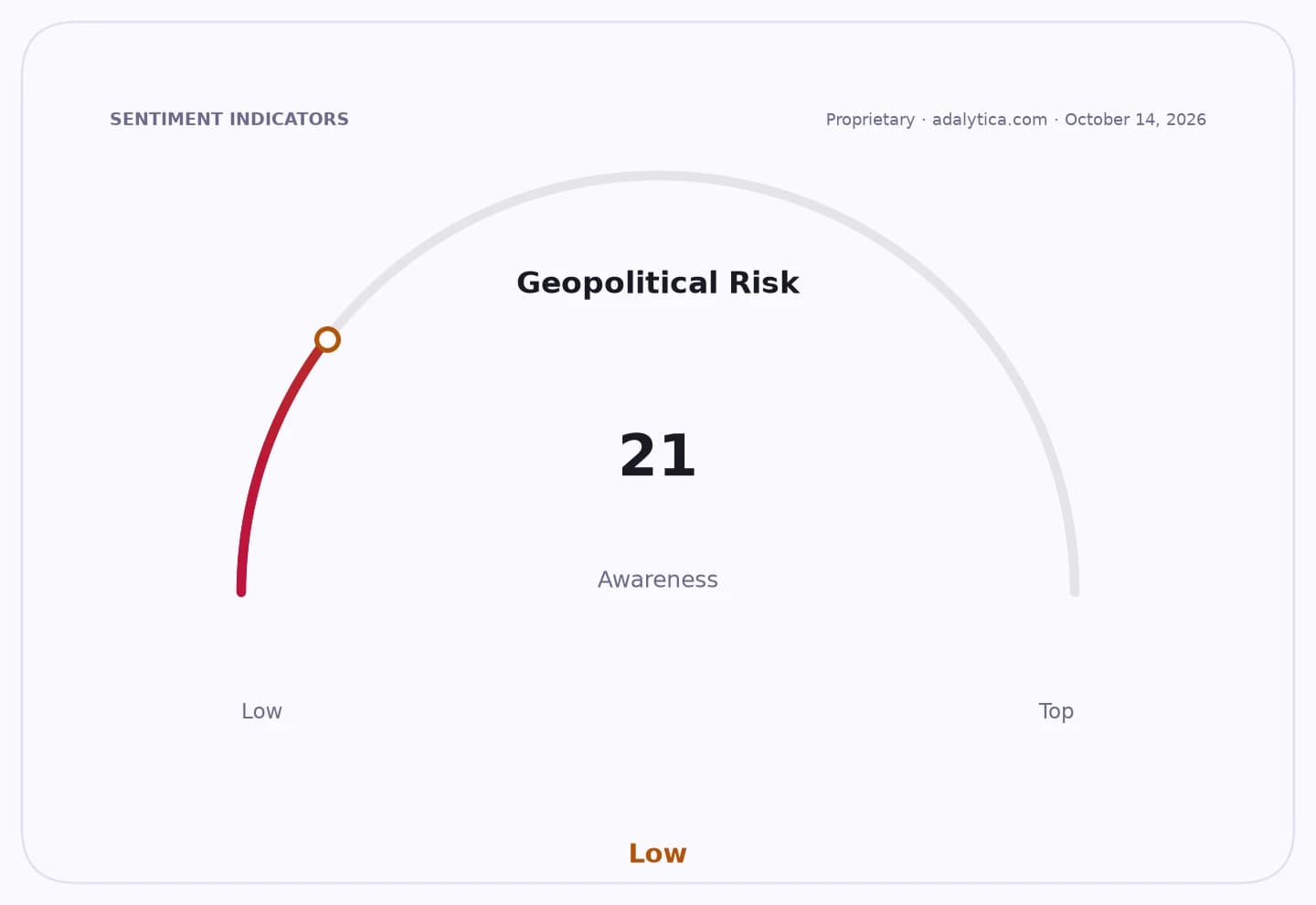
Sentiment IndicatorsⓘProprietary · adalytica.com · October 15, 2026
This is a snapshot — live sentiment, awareness and momentum for 130+ markets update continuously in the dashboard.Open AlphaPulse
The project’s backers say the Kassandras mining complex will attract more than $3 billion over its life, with more than $2 billion linked specifically to Skouries. They project about 3,000 supported jobs, 2 billion euros in wages, 1.8 billion euros in state revenues, 1.3 billion euros in mining fees, 6.7 billion euros in Greek procurement and 17.5 billion euros in exports. The mine is expected to produce 67 million pounds of copper a year, enough for more than 420,000 electric vehicles, and 140,000 ounces of gold, which the company says is equivalent to the metal content in more than 116 million smartphones.
That scale matters for Greece because it ties a high-capex industrial project to local employment and regional spending rather than leaving the economic benefits concentrated at the corporate level. The company says most workers come from northeast Halkidiki, and it has also highlighted a rising share of women in roles that were historically male-dominated, an important signal in a sector that has long struggled to broaden its labor base.
The project’s economic case also rests on its multiplier effect. Beyond direct payroll and taxes, the mine’s long-term value depends on local suppliers, services and logistics, which can lift activity in a region that has often been defined by environmental and political contention over mining. The company says it has tried to build that social license through training programs, health and safety systems and what it describes as a modern operational model, including simulation tools and virtual-reality training through its Prometheus Mining Academy.
The European Commission’s designation of Skouries as a Strategic Project under the Critical Raw Materials Act adds another layer of importance. Brussels is trying to reduce dependence on external suppliers of metals such as copper, which is central to power grids, electrification and digital infrastructure. That makes Skouries relevant not only to Greece’s growth story but also to Europe’s industrial policy.
For markets, the main question is execution. Mine starts often look cleaner on paper than in practice, and Skouries will now have to prove it can ramp production, control costs and maintain environmental and community support. If it does, the project offers a rare combination of cash flow, strategic metal exposure and political backing. If it stumbles, the long build-out and high expectations could keep the valuation discount in place despite the strategic narrative.
Gold and copper prices also frame the opportunity. Gold has been supported by investor demand for hard assets, while copper remains a favored metal for the energy transition even as cyclicality and project delays continue to constrain new supply. In that setting, Skouries gives Greece exposure to two metals with different demand drivers, and investors will watch whether the mine can convert that optionality into consistent production and margin delivery.
| Entity | Gains | Losses |
|---|---|---|
| Skouries / Kassandras project | ▲Revenue generation | ▼Construction-risk premium |
| Greece and local communities | ▲Jobs, taxes, exports | ▼Ongoing environmental scrutiny |
| EU industrial policy | ▲More critical metal supply | ▼Dependence on imported copper |
| Copper importers / EV and grid makers | ▲New European supply source | ▼Higher input costs if output disappoints |