North Macedonia’s plan to revive the Krstov Dol antimony mine has become more than a local industrial project: it is now a test case for how Washington’s critical-minerals strategy can reshape supply chains in Europe without triggering a political and environmental backlash.
North Macedonia Krstov Dol antimony mine update
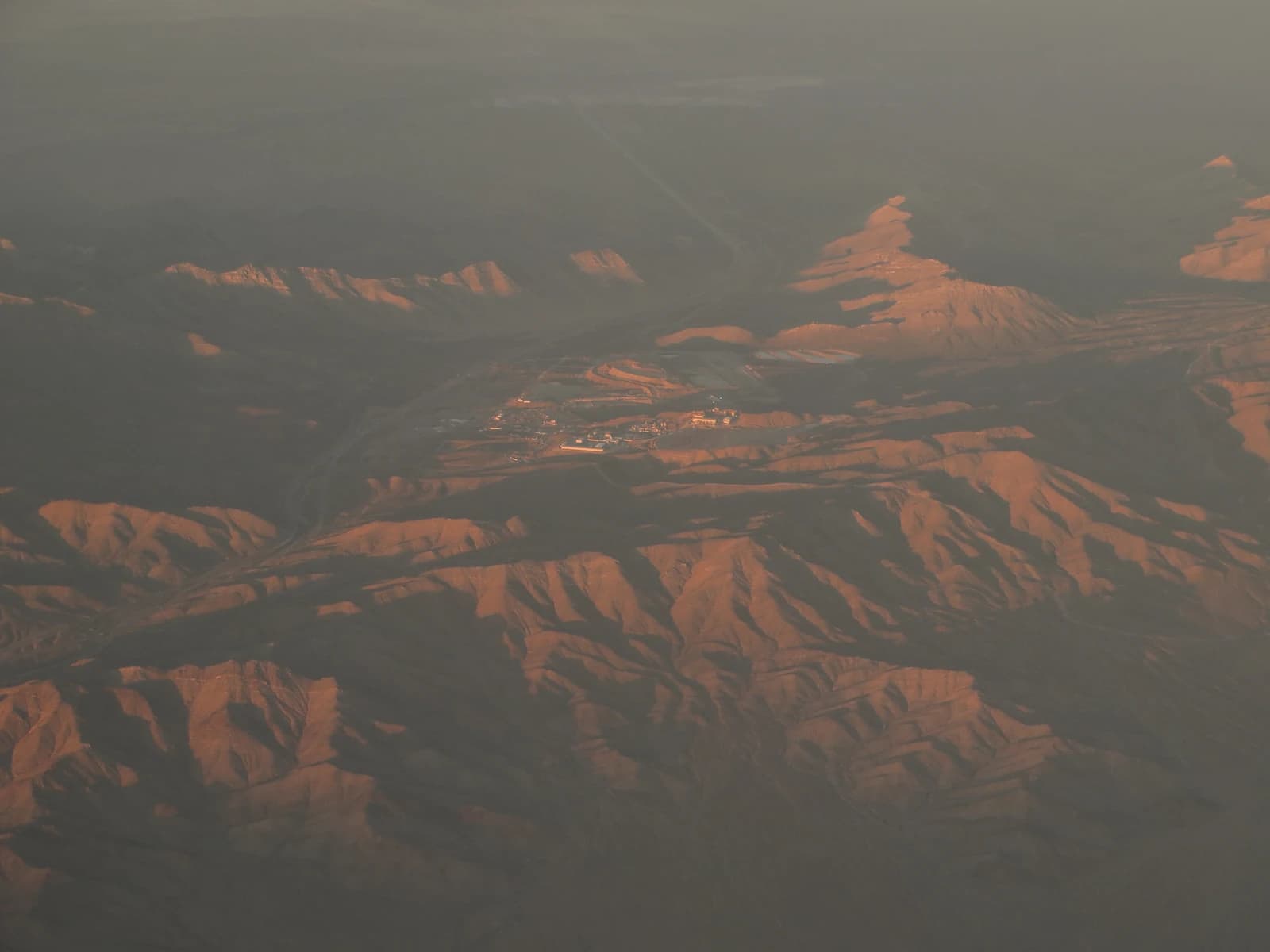
The immediate significance is strategic. Antimony is a small market but an outsized one for defense, semiconductors, flame retardants and energy technologies, and China’s dominance in mining and processing has left Western buyers exposed to export controls. That is why the U.S. Development Finance Corporation has committed up to $5 million for Pele Global’s project development work at Krstov Dol, a grant aimed at resource definition, feasibility studies and engineering rather than mine construction.
Sentiment IndicatorsⓘProprietary · adalytica.com · October 7, 2026
This is a snapshot — live sentiment, awareness and momentum for 130+ markets update continuously in the dashboard.Open AlphaPulse
For investors, the money is less important than what it implies: the United States is willing to underwrite the first mile of a supply-chain project that could eventually feed American processing capacity, with Prime Minister Hristijan Mickoski saying discussions with investors point to ore being shipped to the U.S. and refined in a planned smelter in Oklahoma. If that chain is built, it would reduce dependence on China and potentially create a new non-Chinese antimony corridor from the Balkans to North America.
But the project is still early and highly conditional. Pele Global is drilling to verify historical Soviet-era and Yugoslav-era data, and the company itself says the figures underpinning the project are conceptual and historical, not reserves certified under modern international standards. The DFC grant does not fund commercial production, and a mine would still need a confirmed resource, bankable feasibility, environmental approvals and substantially larger capital.
That makes the economics uncertain even as the geopolitics are clear. North Macedonia sees a chance to attract foreign capital and reposition a neglected mining district in the country’s northeast, while Washington wants diversified access to a mineral that has become harder to source since Beijing tightened export rules. The project was already the first antimony venture to receive support from the Minerals Security Partnership, reinforcing its role as part of the West’s broader critical-minerals response.
The opposition and environmental groups are pushing back on the same point investors will have to weigh most carefully: permitting risk. Antimony is toxic, often associated with arsenic, and local activists warn that renewed mining and flotation could contaminate watercourses feeding farms and villages around Kriva Palanka. They also point to Lojane, another abandoned mining site in North Macedonia, as a warning about the cost of poorly managed tailings.
For equity markets, the signal is broader than one mine. The story supports the investment case for non-Chinese critical-minerals developers and for companies tied to Western processing and refining capacity, but it also underscores how quickly social licence can become the binding constraint. The bull case is that strategic funding, scarce supply and defense-related demand can justify new projects. The bear case is that historical data do not yet equal economic reserves, and environmental opposition can still stall a politically attractive asset.
What happens next will depend on drilling results, the quality of the feasibility study and whether North Macedonia can show that modern mining technology can limit contamination. Until then, Krstov Dol sits at the intersection of three forces investors cannot ignore: the scramble for strategic minerals, the push to diversify away from China and the rising cost of ignoring local environmental risk.
| Entity | Gains | Losses |
|---|---|---|
| North Macedonia government | ▲Foreign capital, strategic relevance | ▼Political fallout if project stalls |
| U.S./DFC | ▲Supply-chain diversification | ▼Exposure to permitting and execution risk |
| Pela Global | ▲Project funding and validation | ▼Needs proven reserves to proceed |
| Local communities/environmental groups | ▲Scrutiny of mining impacts | ▼Higher pollution and water-risk concerns |