The Philippines’ plan to build a U.S.-backed semiconductor and AI hub on ancestral land north of Manila is turning into a political and social flashpoint, as indigenous Aeta families say the project will push them off ground they have lived on for generations.
Philippines Pax Silica hub faces Aeta land dispute

The dispute matters because Pax Silica is not just another industrial estate. It sits at the intersection of Manila’s push to capture more value from minerals and chips, Washington’s effort to deepen supply-chain control in the region, and the Philippines’ need to balance foreign investment with land rights and local consent. That mix gives the project strategic weight far beyond the roughly 10 hectares at issue for Sapang Kawayan’s residents.
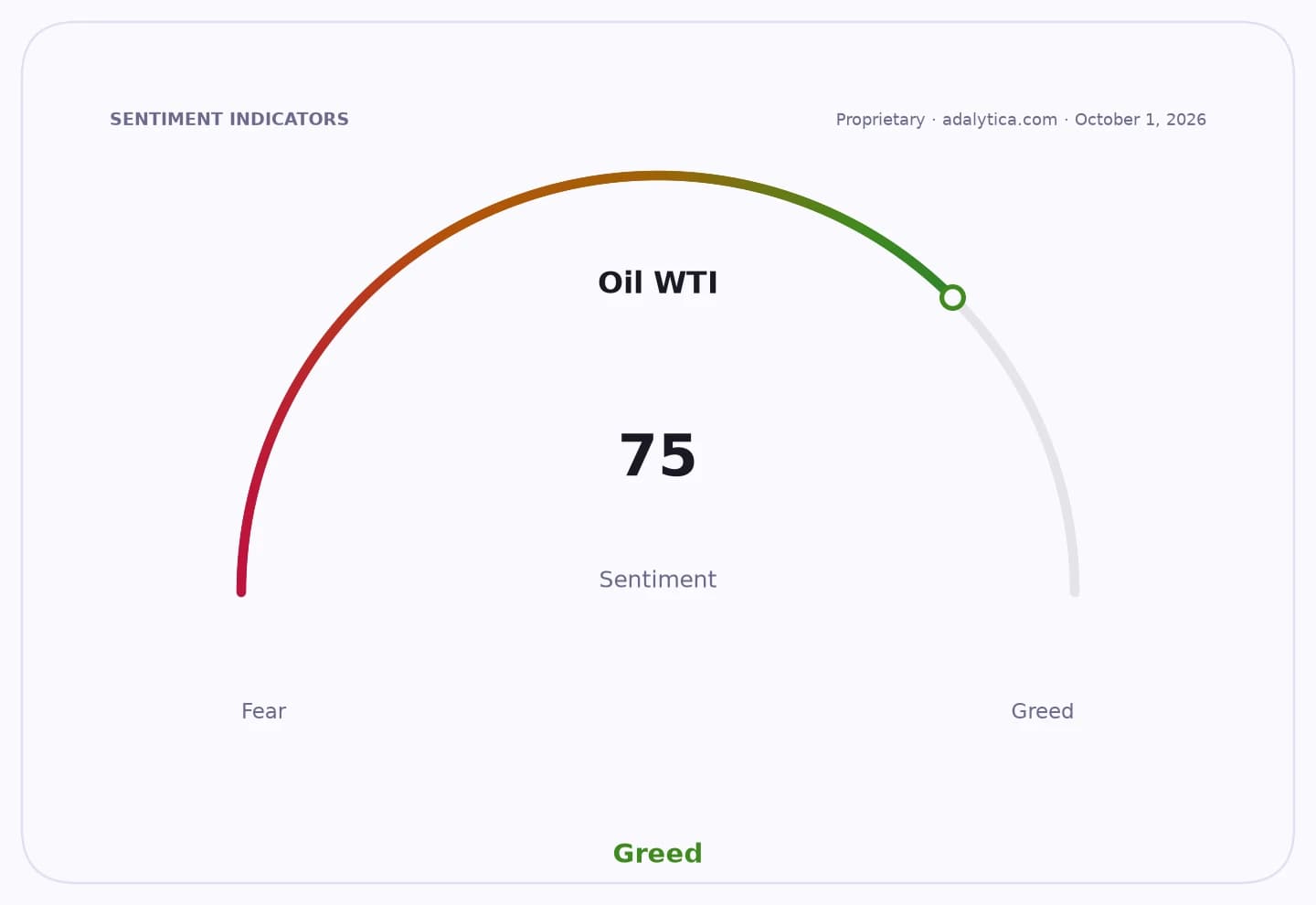
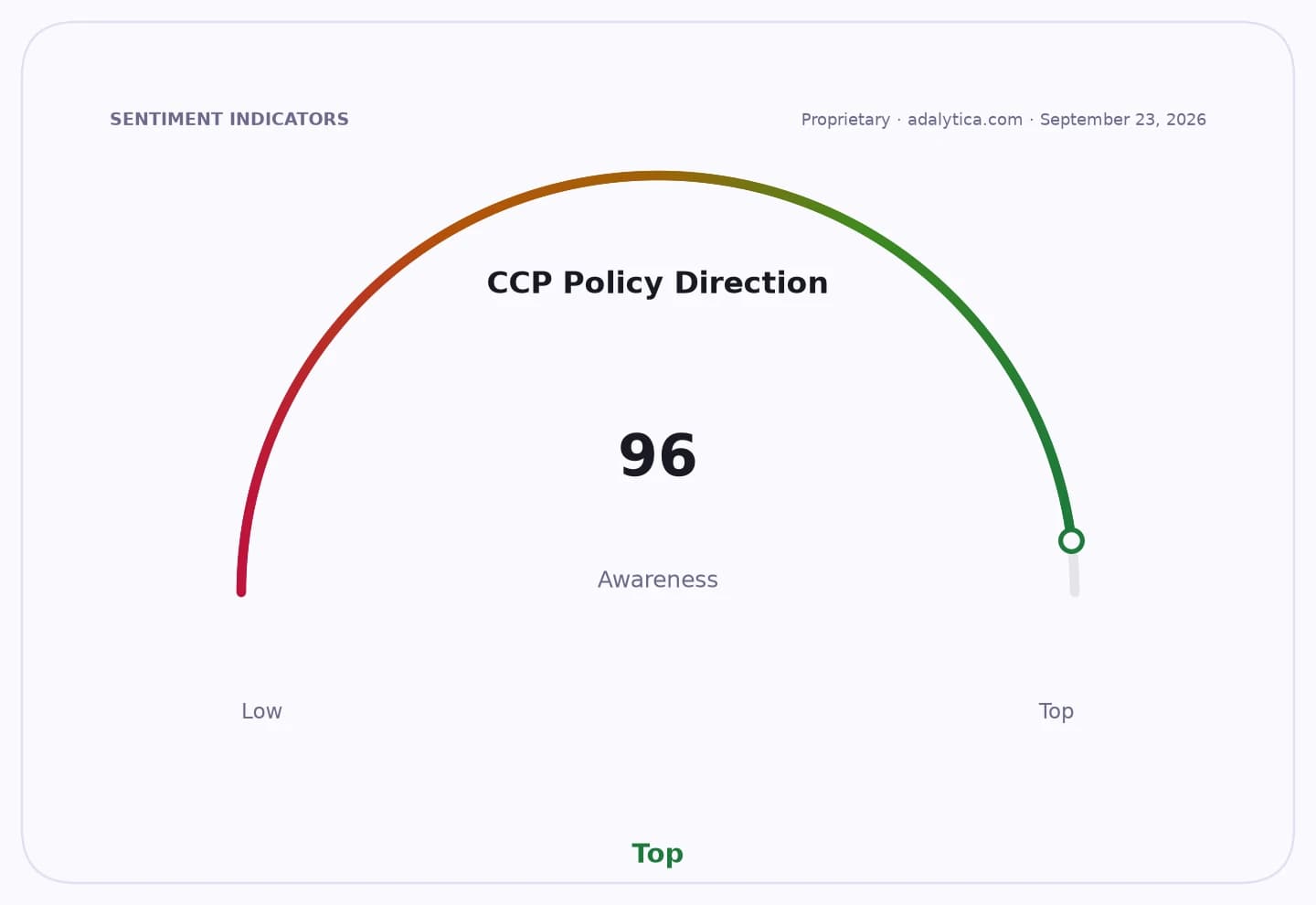
Sentiment IndicatorsⓘProprietary · adalytica.com · September 27, 2026
This is a snapshot — live sentiment, awareness and momentum for 130+ markets update continuously in the dashboard.Open AlphaPulse
The government has approved the hub on a 4,000-acre, or 1,619-hectare, site inside New Clark City on land that once formed part of the Clark Air Base reservation. The Bases Conversion and Development Authority has told some 200 Aeta people in 40 households that they must relocate, though officials say the move would keep them within the same barangay and “same community.” Residents reject that framing, saying the area is ancestral domain and that even small relocations can sever access to land, water and livelihoods.
For investors and policymakers, the risk is that the project’s social license becomes as important as its industrial logic. Aeta leaders say surveyors have already been seen measuring land and studying the Bangot River, their main source of water and food, while private security has blocked roads into the village. Earlier protests over Pax Silica led to the arrest of five paralegals and detention of nearly 30 others, underscoring the chance of sustained opposition and reputational damage for any foreign partner linked to the development.
The government is pitching Pax Silica as a growth engine that will create quality jobs and allow the Philippines to process minerals locally rather than exporting ore. President Ferdinand Marcos Jr. has said the project would help the country exploit its “natural resources” at home, while also reinforcing ties with Washington at a time of rising pressure from China in the South China Sea. That geopolitical appeal is clear: a hub designed to keep semiconductor and AI facilities under one U.S.-aligned roof would fit the broader effort by both countries to reduce dependence on Chinese supply chains.
But the economic case will be judged not only by strategic positioning and jobs promises, but by whether the development can proceed without widening local resistance or triggering legal challenges over indigenous rights. The Aetas say they have occupied the land for generations, with historical recognition dating back to Spanish colonial decrees in the 1850s. Officials counter that the relocation would be limited and within the same jurisdiction. That gap between legal form and lived reality is where the project may either gain momentum or bog down.
For investors watching Philippine infrastructure, minerals processing and broader U.S.-Philippines industrial cooperation, the key question is whether Pax Silica can move from geopolitical announcement to bankable project execution. If authorities can secure local consent and clear land-rights objections, the hub could become a flagship for higher-value manufacturing and critical-minerals processing. If not, it risks becoming another reminder that strategic industrial policy still depends on the politics of land, water and community survival.
| Entity | Gains | Losses |
|---|---|---|
| Philippine government | ▲industrial investment | ▼local backlash |
| U.S.-backed Pax Silica project | ▲strategic foothold | ▼social-license risk |
| Aeta residents | ▲none | ▼relocation pressure |
| U.S.-Philippines supply chain agenda | ▲deeper alignment | ▼reputational strain |