France just took a meaningful step toward taxing a crypto behavior that many investors have long treated as a gray area: moving gains from one token into stablecoins without cashing out to euros.
France targets crypto-to-stablecoin swap taxes
That matters because stablecoins are the bridge between trading and preservation in crypto markets. If France’s 2027 budget measure becomes law, private investors would face tax on gains the moment they swap crypto into certain stablecoins, ending the current deferral that applies when assets remain inside the crypto ecosystem. For investors, that changes the after-tax math of trading, treasury management and portfolio rebalancing. For policymakers, it is a signal that Europe’s biggest economies may be willing to tighten crypto taxation even as they try to keep their fiscal plans credible.
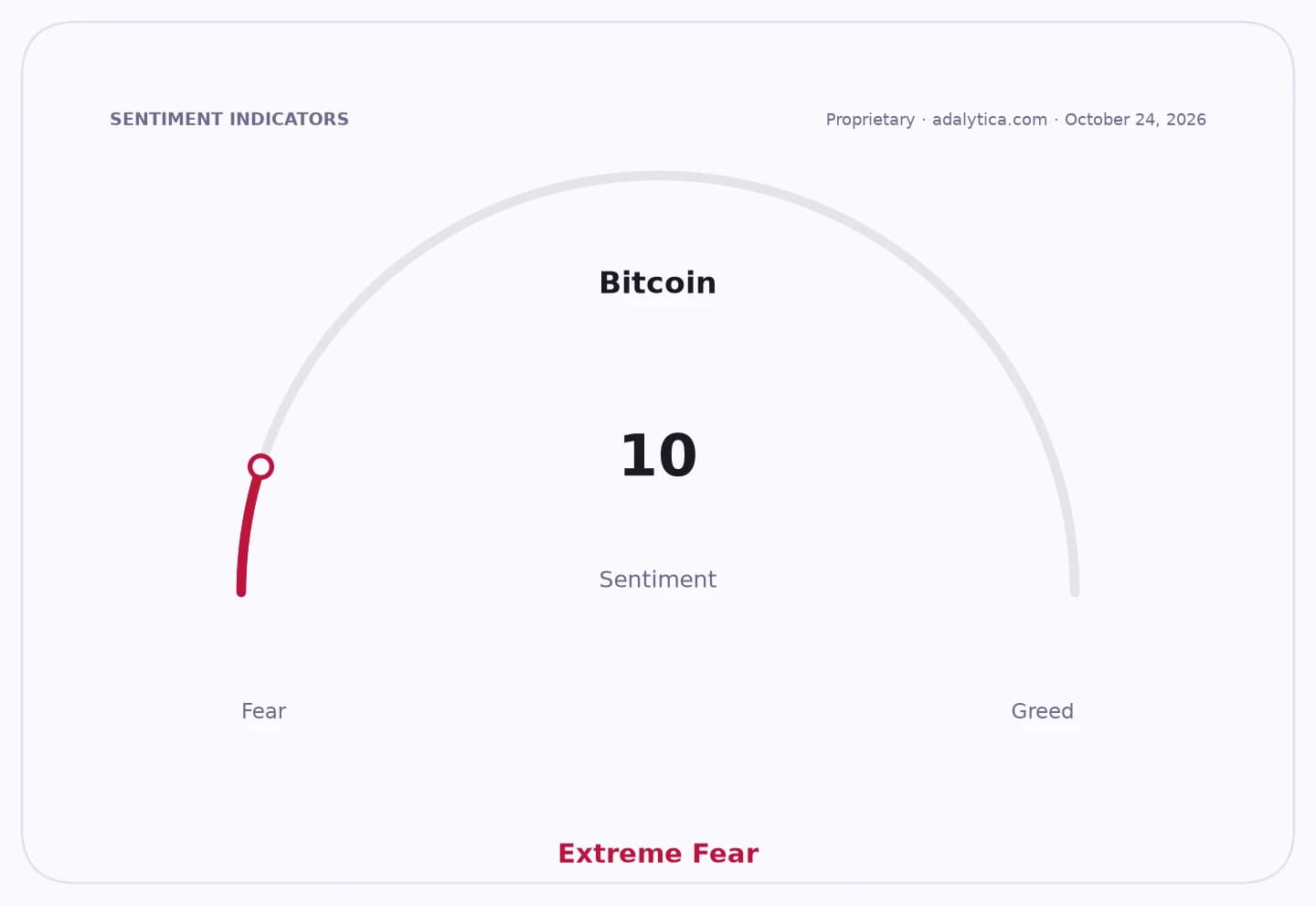
Sentiment IndicatorsⓘProprietary · adalytica.com · October 24, 2026
This is a snapshot — live sentiment, awareness and momentum for 130+ markets update continuously in the dashboard.Open AlphaPulse
The National Assembly approved the amendment by a razor-thin 38 to 37 vote, with 25 abstentions, showing how politically sensitive the issue remains. The proposal is still only in first reading, and it must clear further parliamentary review, the Senate and final promulgation before taking effect. If it survives, the rule would apply from Jan. 1, 2027.
The economic impact goes beyond crypto traders. France’s default flat tax rate on private crypto gains is 31.4%, combining income tax and social charges, and the amendment would pull more activity into that tax base sooner. That could lift revenue at the margin, but it also risks pushing some active users to delay swaps, reduce turnover or move activity offshore if compliance becomes too cumbersome. Public accounts minister David Amiel warned the measure would be too complex to apply as drafted, especially around defining stablecoins and tracking portfolio reallocations.
That complexity is exactly why investors should care. Crypto markets rely on fast reallocation between volatile tokens and dollar-linked assets, and France’s rule would make those portfolio shifts more expensive on an after-tax basis. The amendment also changes how gains are calculated, moving to sale proceeds minus acquisition cost, with a weighted-average cost method for tokens bought at different prices. In practical terms, that may simplify some accounting but could make tax bills more immediate and more visible to retail traders.
For long-term investors, the story is not just about one country’s budget process. It is about the direction of travel in crypto regulation: governments are increasingly treating digital assets less like a detached novelty and more like a taxable financial market. That is not necessarily bearish for the industry. Clearer rules can support institutional adoption, improve compliance and reduce legal uncertainty. But in the near term, it can pressure the economics of platforms that earn fees from active trading and repeated conversions.
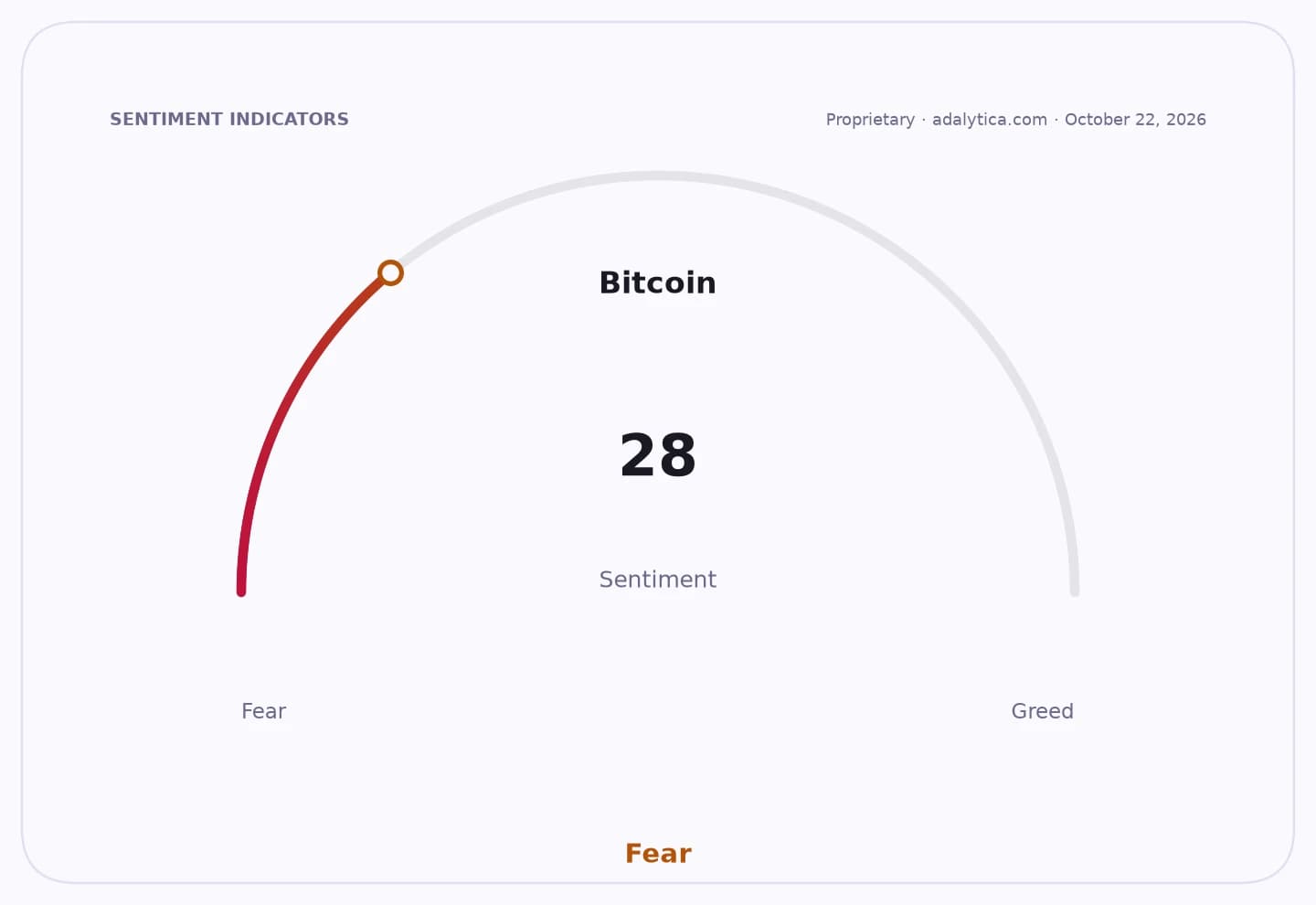
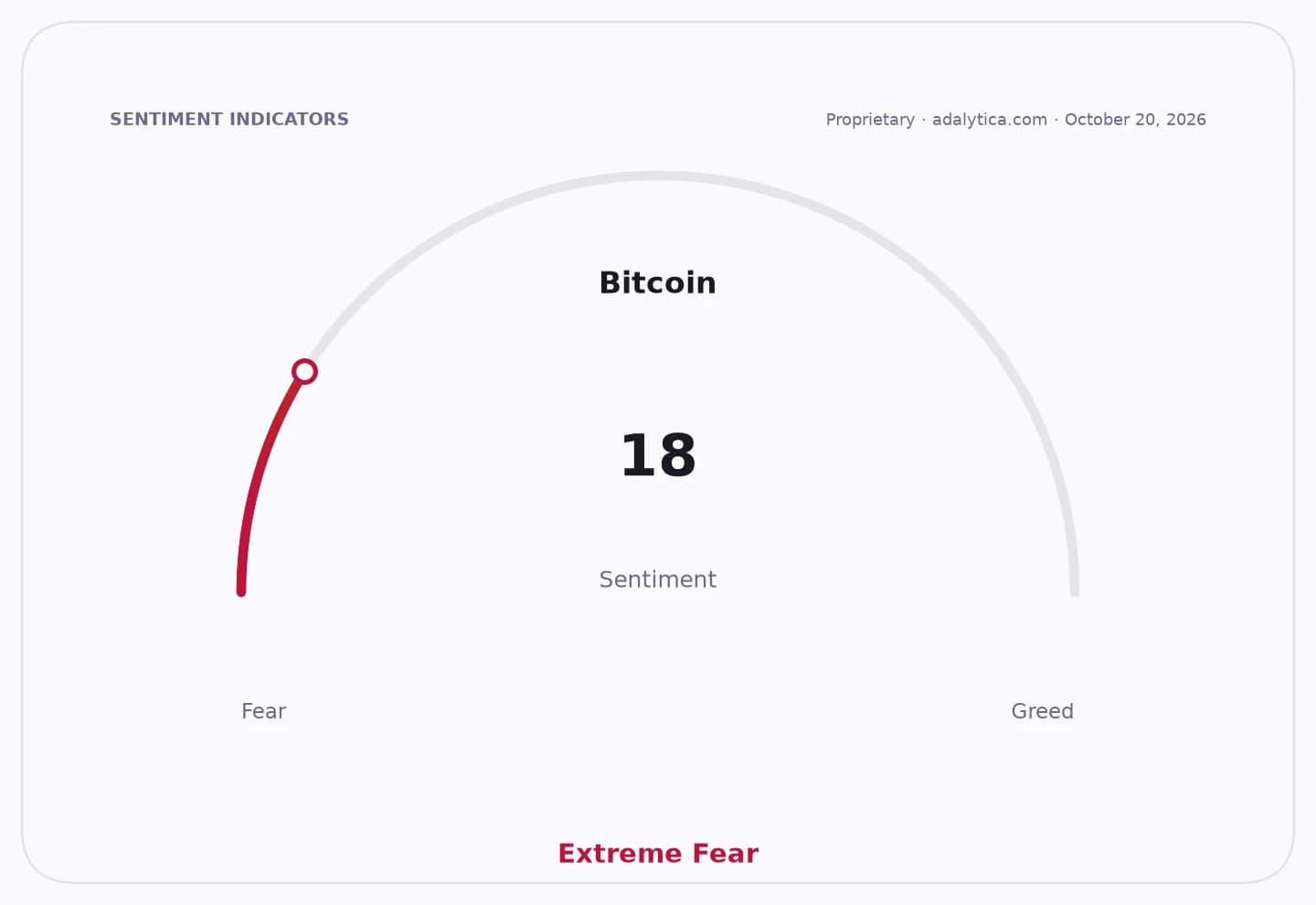
That is why listed crypto names should be watched closely. Coinbase, Robinhood and other trading platforms would all prefer rules that keep friction low. Coinbase shares have already been volatile, and Bitcoin itself remains highly sensitive to changes in investor sentiment, now sitting in what Adalytica labels extreme fear. If tax policy makes it harder for users to move between crypto assets and stablecoins, it could weigh on trading activity even if it does little to damage Bitcoin’s long-term investment case.
There is also a broader European angle. France’s move cuts the opposite way from Latvia, which is preparing a plan to let residents pay personal taxes in crypto as part of an effort to attract firms and investors. Together, the two countries show the split in Europe’s crypto playbook: some governments want to capture more of the industry, while others want to tighten the tax net around it.
For investors, the takeaway is simple: crypto’s long-term case is increasingly tied not only to adoption and technology, but also to the tax and regulatory regimes that govern everyday use. France’s proposal is worth watching because it could become a template for other countries looking to tax on-chain gains more aggressively. For now, it is a reminder that even in a market built on decentralization, governments still control the rules that shape returns.
| Entity | Gains | Losses |
|---|---|---|
| France’s tax authorities | ▲Nearer-term revenue | ▼Crypto traders’ tax deferral |
| Retail crypto investors | ▲Clearer rules if finalized | ▼Higher taxes on swaps |
| Coinbase, Robinhood and peers | ▲More regulatory clarity | ▼Trading volume from active users |
| Long-term Bitcoin holders | ▲Potentially more legitimacy | ▼Short-term trading liquidity |