France is moving to tax crypto-to-stablecoin swaps and force disclosure of large self-custodied wallets, a proposal that could push trading activity out of the regulated system just as Europe tries to bring digital assets under clearer rules.
France Tax Proposal Targets Crypto Swaps and Wallets

The measure, adopted by the French National Assembly’s Finance Committee and still subject to full parliamentary approval, would extend the country’s 31.4% flat tax on crypto capital gains to exchanges into certain MiCA-regulated stablecoins from Jan. 1, 2027. That would end the current treatment that generally allows crypto-to-crypto swaps to defer tax until investors cash out into euros or spend the proceeds. For active traders, it raises the cost of using stablecoins as a parking place between trades — a core function in digital-asset markets.
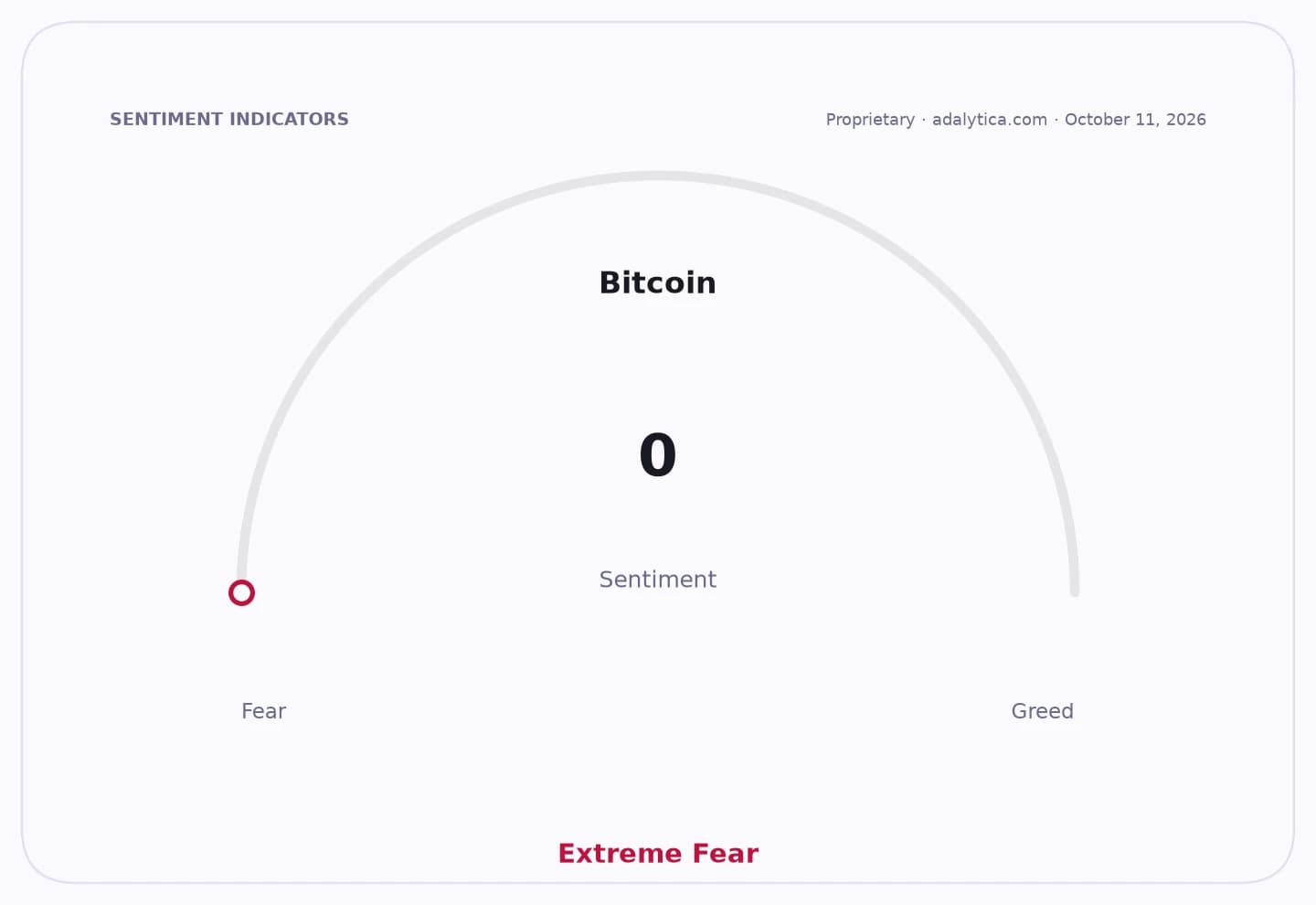
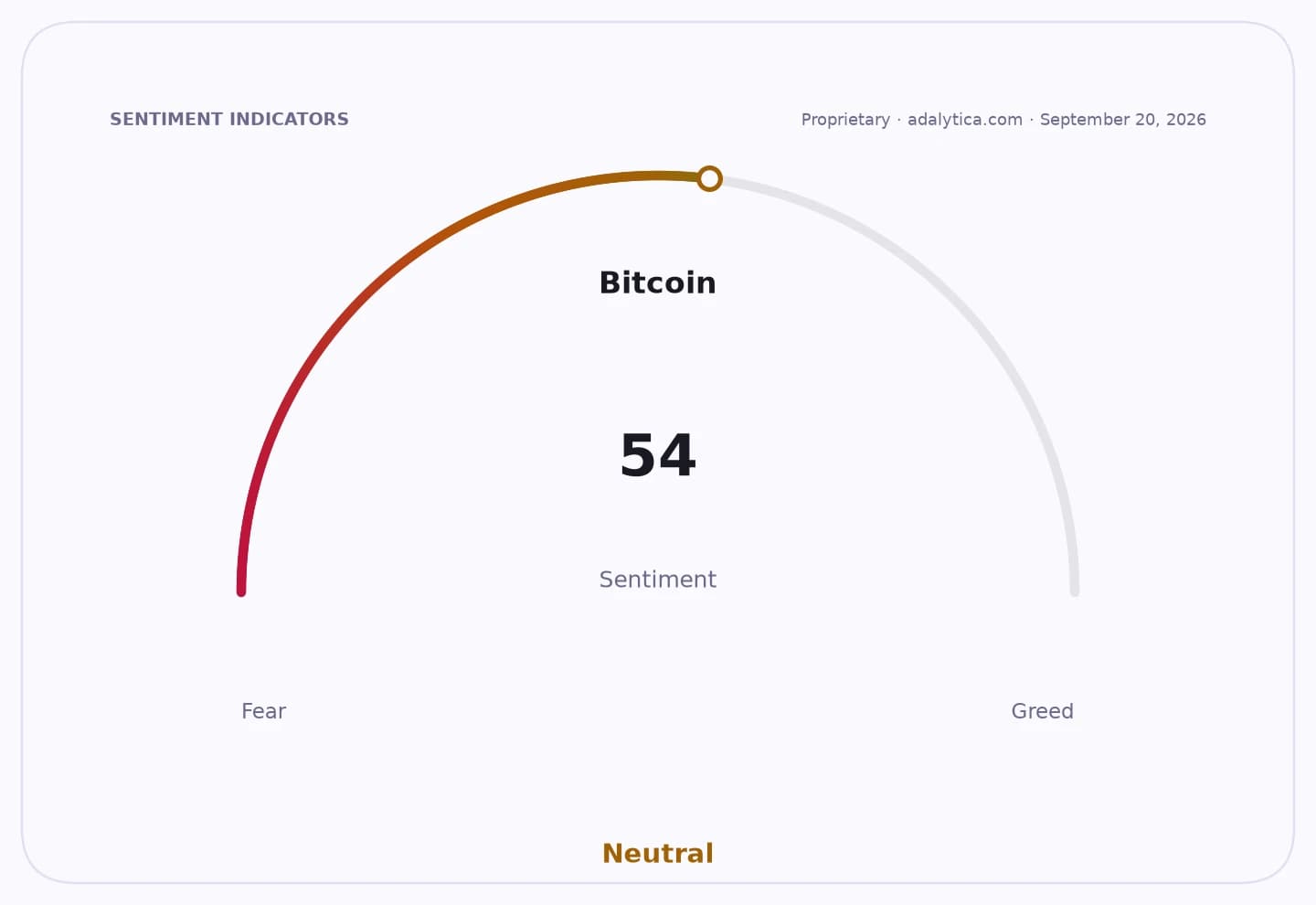
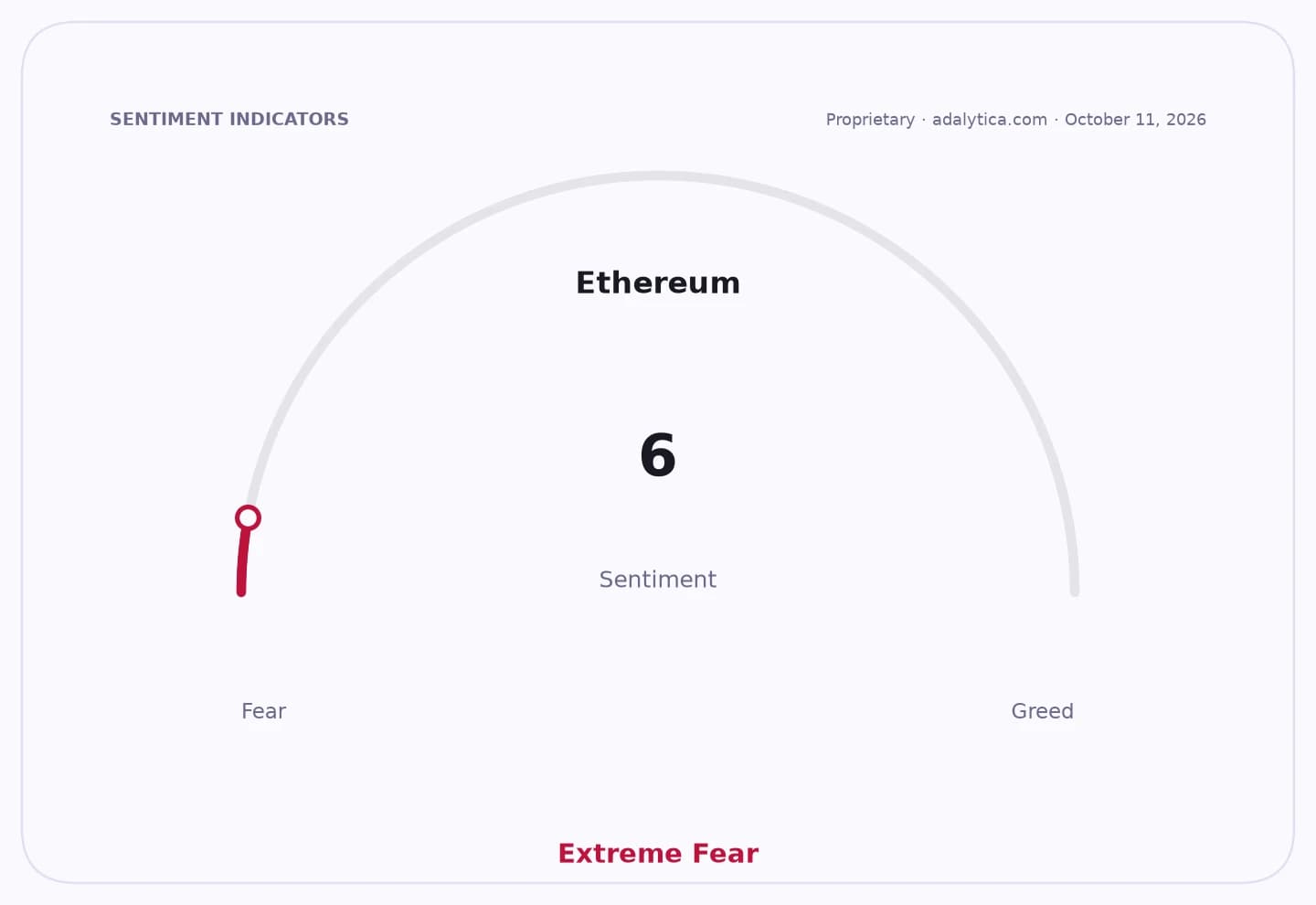
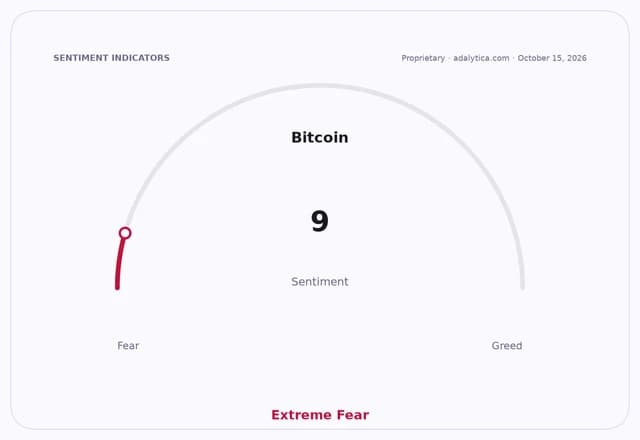
Sentiment IndicatorsⓘProprietary · adalytica.com · October 15, 2026
This is a snapshot — live sentiment, awareness and momentum for 130+ markets update continuously in the dashboard.Open AlphaPulse
The policy matters economically because stablecoins are the plumbing of crypto liquidity. If a transfer from bitcoin or ether into a qualifying stablecoin becomes a taxable event, the incentive is to route activity elsewhere: into unregulated stablecoins, decentralized finance protocols or offshore venues, as Chainalysis warned. That would undercut France’s stated goal of drawing more crypto activity into the regulated financial system while potentially reducing transparency and domestic tax receipts.
The proposal also targets capital that is harder for tax authorities to see. A separate amendment would require disclosure of self-custodied wallets worth at least €100,000, with fines of up to €10,000 for non-compliance. Supporters argue there is a large gap between gains realized in the crypto market and those reported to the tax office, citing €3.5 billion in crypto capital gains in 2021 versus only €400 million declared. For the state, the issue is straightforward: bring more gains into the tax net. For investors, the concern is that a disclosure regime for private wallets increases compliance risk and, given recent physical attacks on crypto holders in France, could heighten personal-security concerns if sensitive data leaks.
The package goes beyond routine tax tightening. Lawmakers are also weighing an extension of France’s exit tax to crypto holdings above €800,000, aimed at wealthy residents who move abroad before realizing gains, and a rule letting investors carry forward losses for 10 years. Those additions suggest policymakers are trying to close multiple escape routes at once — tax deferral through swaps, secrecy through self-custody and relocation through residency changes.
For markets, the immediate readthrough is bearish for regulated stablecoin usage in France and potentially across the EU if other jurisdictions copy the approach. A tighter tax regime could compress onshore trading volumes, favor larger offshore platforms and add friction for market makers and retail users who rely on stablecoins for liquidity management. The losers would be regulated exchanges and compliant traders; the likely winners would be offshore venues and privacy-oriented crypto users, at least in the near term.
The legislation is not settled. France’s Finance Committee rejected the revenue section of the 2027 budget on Oct. 10, forcing the crypto amendments back before the full Assembly, with another vote scheduled for Oct. 20. But the direction of travel is clear: Paris is testing how far it can go in taxing crypto activity without driving it away.
| Entity | Gains | Losses |
|---|---|---|
| French tax authorities | ▲Broader reporting reach | ▼More evasion if activity moves offshore |
| Regulated exchanges / MiCA stablecoins | ▲Clearer rules if adopted | ▼Lower swap volumes, weaker liquidity |
| Offshore venues / DeFi platforms | ▲Inflows from tax-sensitive traders | ▼None from stricter French oversight |
| Crypto holders in France | ▲Loss carryforward if approved | ▼Higher tax and disclosure burdens |