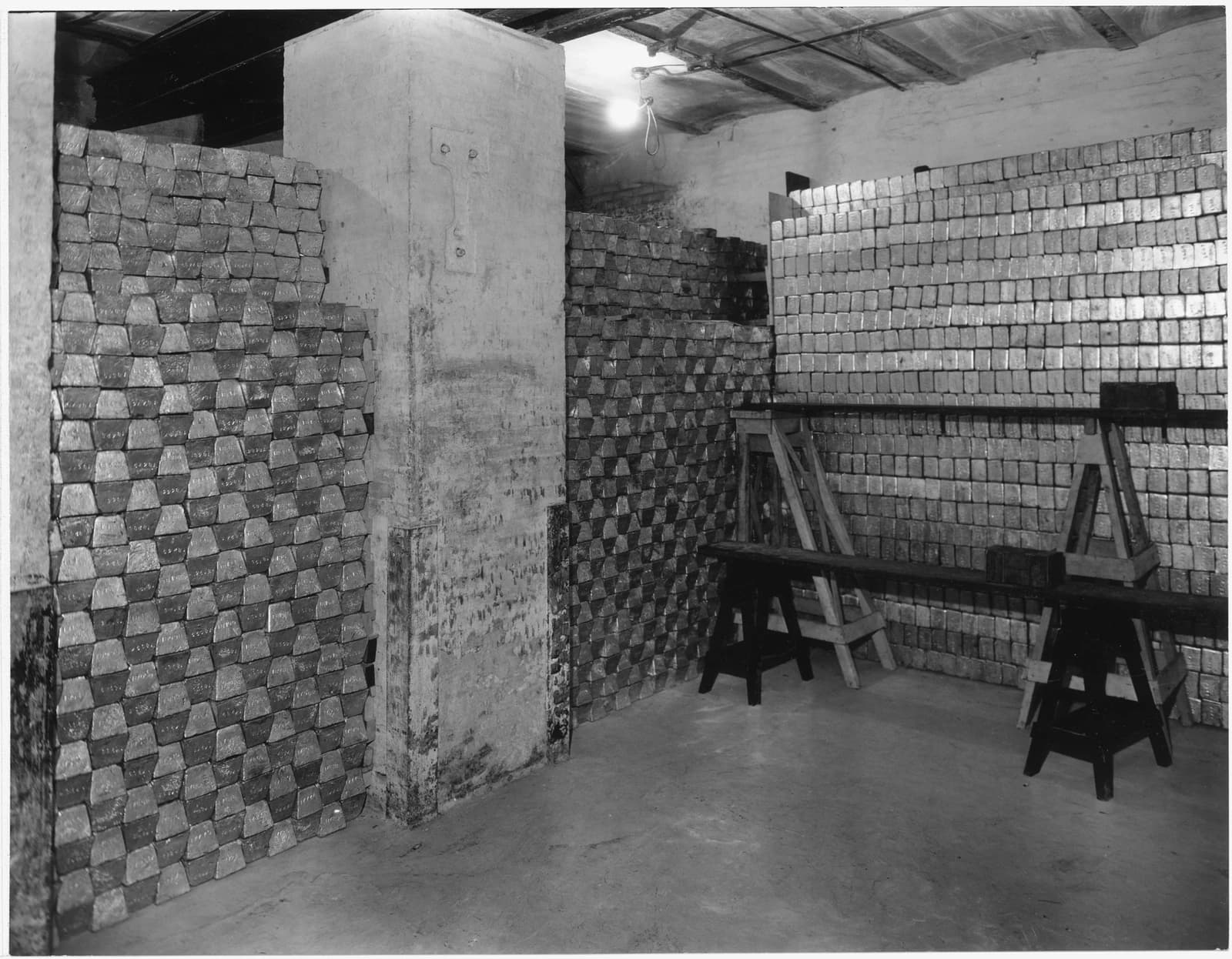
France’s surging gold hoard now looks impressive on paper, but it covers only a sliver of the country’s public debt and cannot be tapped to ease a budget squeeze that is worsening as borrowing costs rise.
France Gold Reserve Covers Only 8.5% of Debt
Banque de France’s 2,437 tonnes of bullion were worth about 301 billion euros at the end of August, according to La Tribune, after gold’s rally lifted the reserve by roughly 161 billion euros since end-2022 without any increase in holdings. Yet France’s public debt stood at 3.536 trillion euros at the end of the first quarter, meaning the nation’s gold covers about 8.5% of what it owes — or a little over one-twelfth of the total.
Sentiment IndicatorsⓘProprietary · adalytica.com · September 8, 2026
This is a snapshot — live sentiment, awareness and momentum for 130+ markets update continuously in the dashboard.Open AlphaPulse
That gap matters because France’s debt burden is not just large, it is growing faster than the asset supposedly backing it. Public debt jumped 75.6 billion euros in a single quarter, while annual interest costs are projected to rise to 74 billion euros this year from 58 billion euros in 2024. On that basis, the entire gold reserve would cover a little more than four years of interest payments before vanishing, leaving the debt stock intact.
For investors, the key takeaway is that gold’s record run is not a sovereign balance-sheet fix. The bullion sits on Banque de France’s balance sheet, not the Treasury’s, and euro-area rules prohibit direct central-bank financing of governments. The revaluation gains remain unrealized until gold is sold, and a sale would weaken the central bank’s own financial position. In practice, the state cannot simply monetize the metal even if the political temptation grows as fiscal pressures mount.
The numbers underscore why France remains under scrutiny among Europe’s more indebted economies. It is one of seven EU countries above the European Commission’s warning threshold for debt, and markets are already sensitive to the fiscal outlook: French bank shares fell in August as investors priced in higher funding costs and weaker growth ahead of the 2027 presidential vote. The bullion reserve may offer a symbolic buffer, but it does little to change credit fundamentals.
Germany offers the closest comparison. It holds 3,350 tonnes of gold, about 37% more than France, yet its reserve covers 14.1% of public debt versus France’s 8.5% because its debt load is smaller. The U.K. sits near 1% after years of sales, while Sweden’s 126 tonnes cover about 7.2% of public debt. At the other extreme, Russia’s gold covers a far larger share of debt because sanctions have kept liabilities low.
For investors, the narrative is straightforward: rising gold prices protect reserve holders, but they do not rescue highly indebted sovereigns. Unless France finds a way to slow borrowing, curb spending or revive growth, the value of the gold stock will remain largely a headline number — important for national prestige, but not a meaningful substitute for fiscal adjustment.
| Entity | Gains | Losses |
|---|---|---|
| Banque de France | ▲Higher reserve valuation | ▼No budget relief |
| French state | ▲Symbolic asset boost | ▼Still faces large debt and interest costs |
| Bondholders / creditors | ▲Higher scrutiny of fiscal policy | ▼Greater fiscal-risk premium |
| Gold holders | ▲Price appreciation | ▼Sovereign borrowers with debt burdens |