London shares edged higher as gains in banks and mining stocks helped the FTSE 100 finish up 0.14%, underscoring how the index is still being driven more by rates and commodities than by a broad-based domestic growth story.
FTSE 100 Rises on Banks and Miners
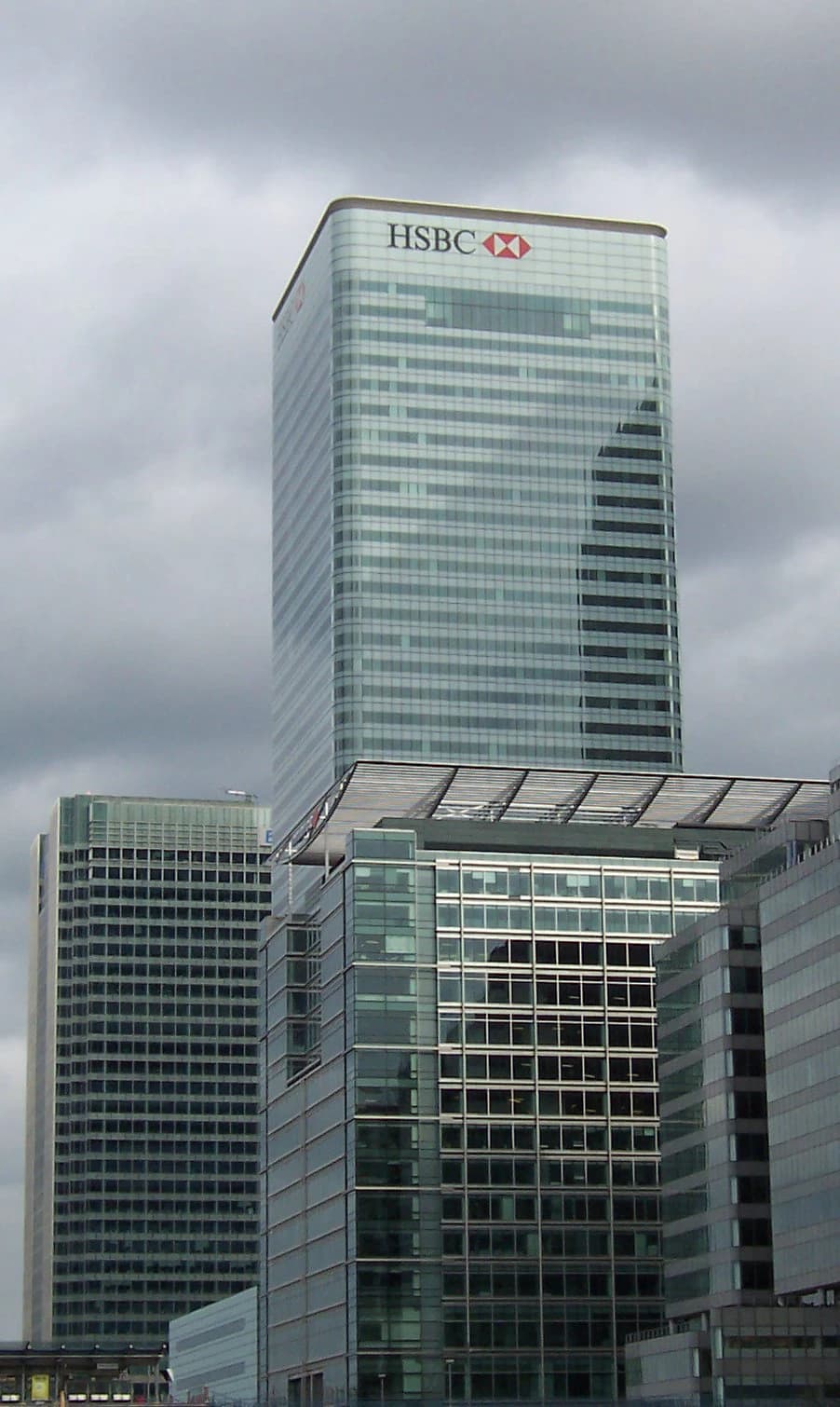
The blue-chip benchmark closed at 10,695.25, adding 15.26 points, and extended its weekly advance as large lenders and metals miners absorbed weakness in energy names. For investors, that mix matters because it shows the FTSE’s heaviest sectors remain tightly linked to global macro forces: higher bond yields can support banks’ net interest margins, while firmer precious metals prices lift miners, even as falling crude pressures oil producers.
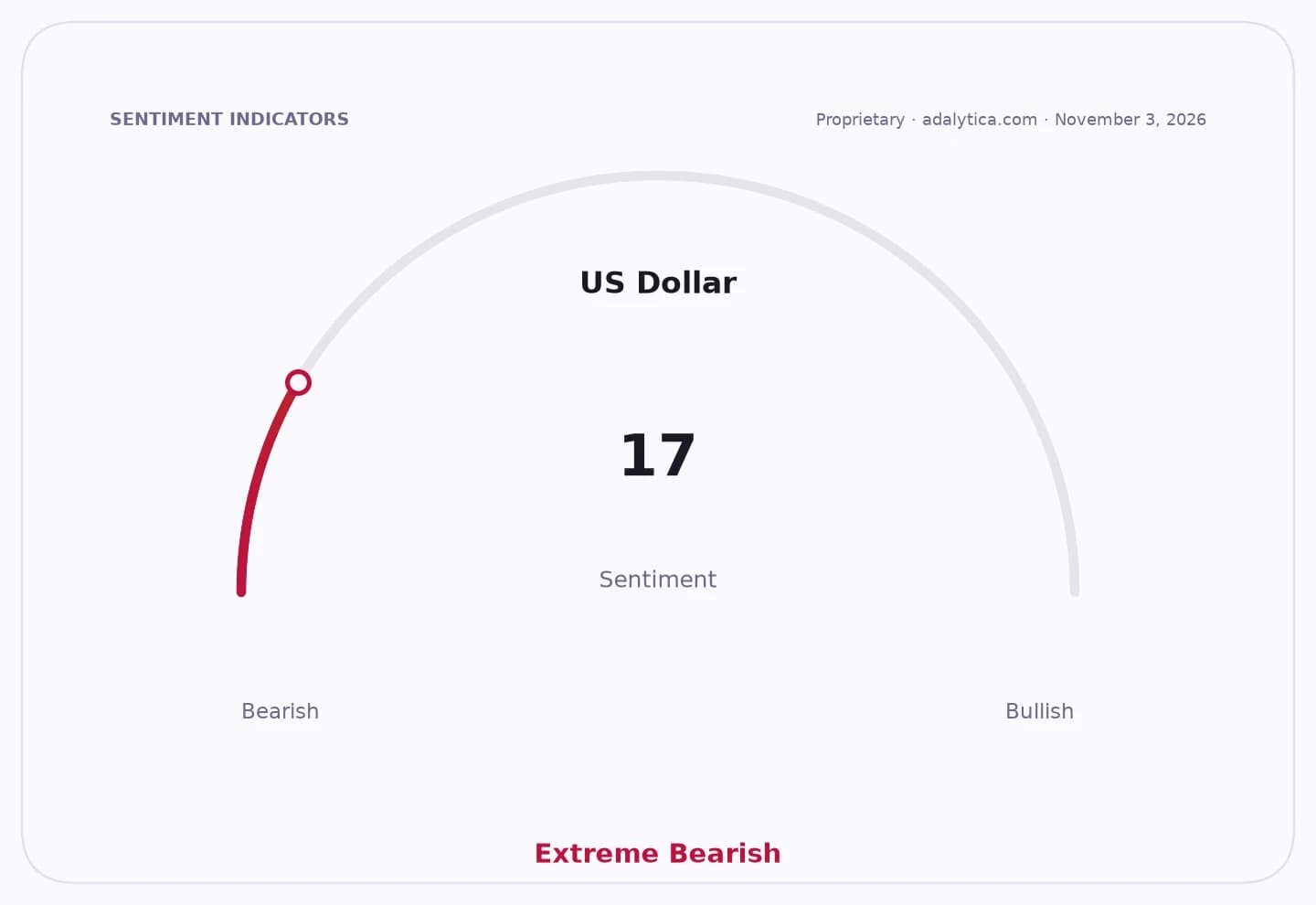
Sentiment Indicators
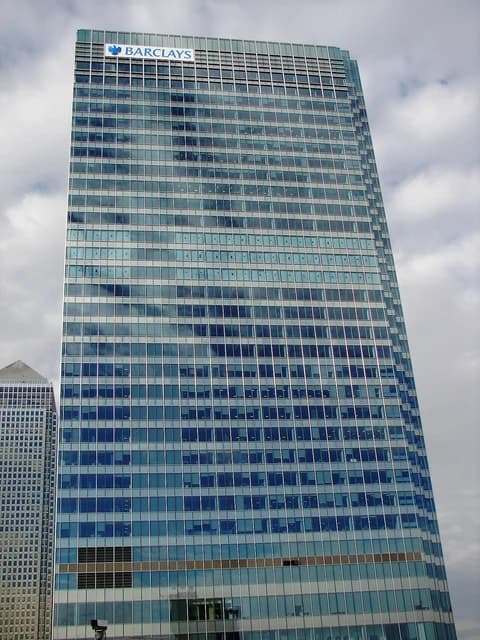
Banks rose 1.3%, with Barclays up 1.6%, Lloyds Banking Group about 1.7% higher and Standard Chartered gaining 2.5%. That performance points to a market still willing to buy financials on the assumption that elevated yields and a firmer rate backdrop can continue to support earnings. At the same time, miners of precious metals climbed 2% as gold and silver bounced after a sharp early-week selloff, reinforcing the FTSE’s long-standing sensitivity to commodity moves.
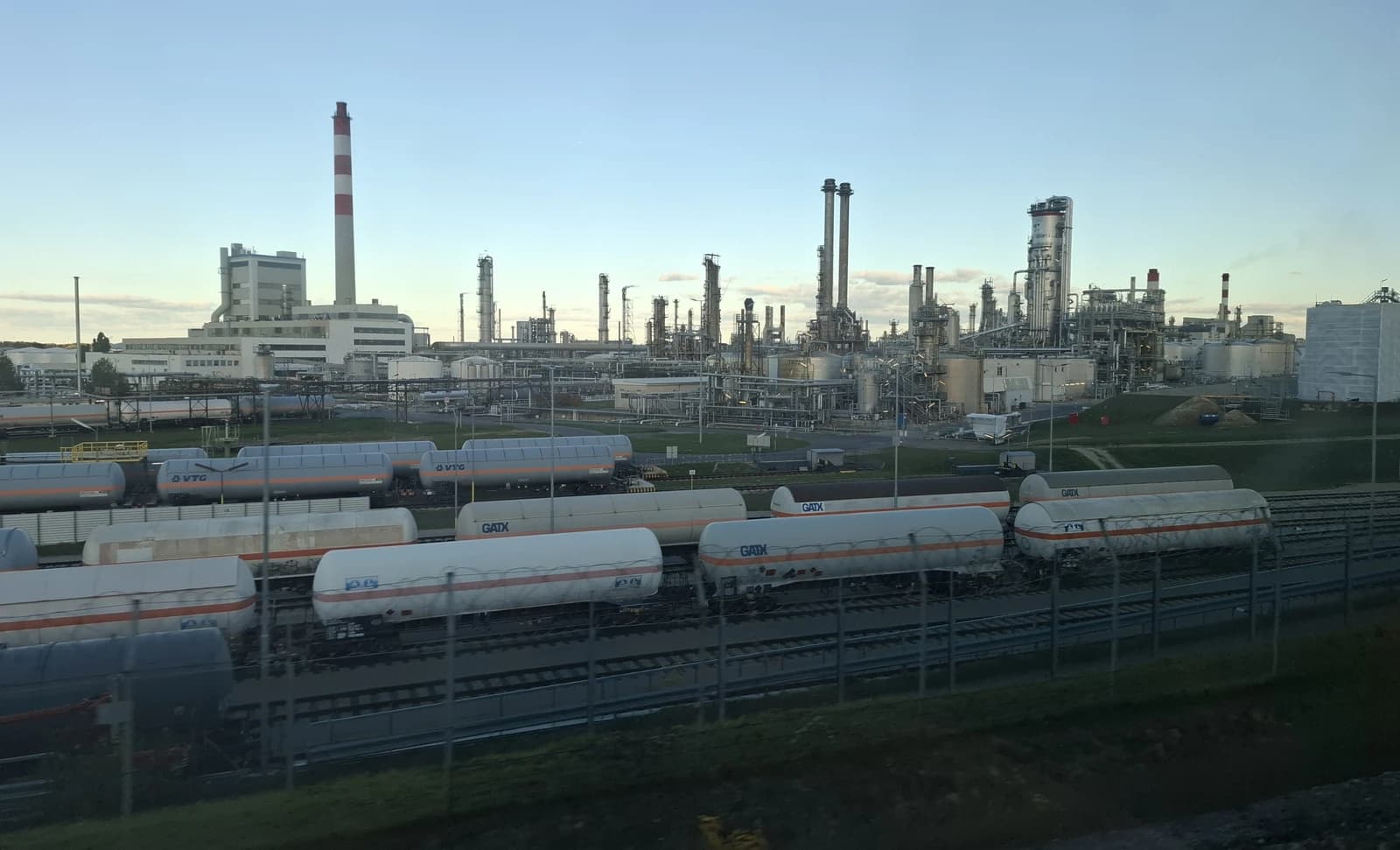
The energy sector lagged after oil prices fell, as investors weighed hopes for a US-Iran ceasefire against supply risks tied to Houthi attacks on Saudi Arabia. That push and pull has become a key driver for the UK index, where oil majors can materially shape daily performance even when the broader market tone is constructive.
The other important thread is the bond market. UK gilt yields remain elevated, and traders are watching them closely because sticky inflation and the prospect of higher-for-longer rates from major central banks could keep pressure on risk assets. For banks, that is not a straightforward negative: the yield backdrop can aid margins, but only if credit quality and funding costs remain contained. For miners and energy groups, the main issue is whether commodity prices can hold up against a stronger dollar, tighter financial conditions and slowing global growth.
The FTSE’s modest gain leaves it in a familiar position: supported by banks and miners, restrained by energy and vulnerable to moves in sovereign debt markets. Near term, the index’s direction will likely depend on whether bond yields stabilize and whether commodity-linked sectors can continue to offset weakness in domestically exposed shares.
| Entity | Gains | Losses |
|---|---|---|
| UK banks | ▲Higher yields support margins | ▼Rate volatility |
| Precious metals miners | ▲Gold and silver rebound | ▼Earlier commodity selloff |
| Energy majors | ▲— | ▼Lower oil prices |
| FTSE 100 index | ▲Sector support lifts benchmark | ▼Bond-market pressure |