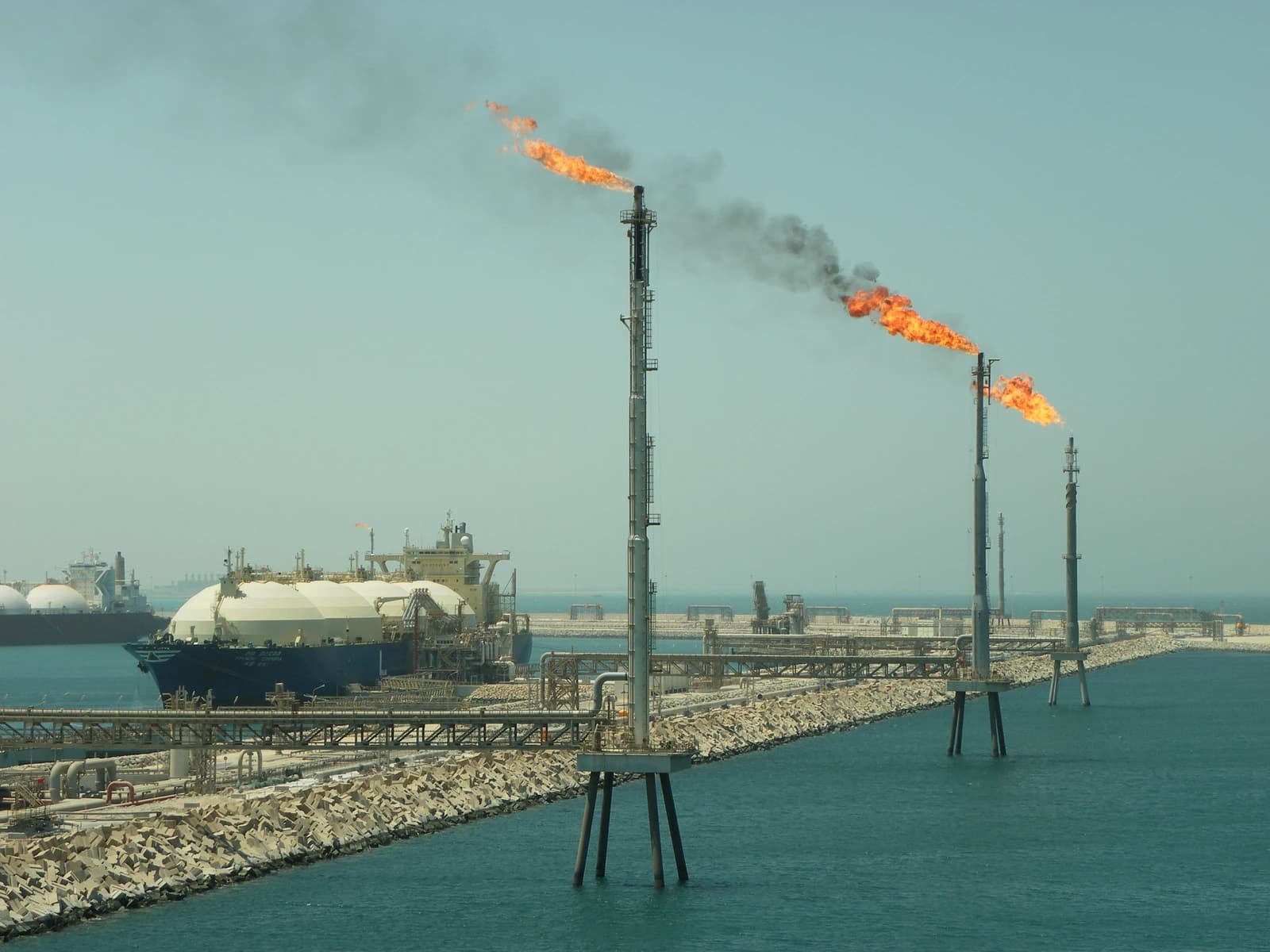
Geopolitical tensions in the Gulf are forcing Gulf Cooperation Council states to rethink how closely their economies can stay linked to one another and to the outside world as attacks around the Strait of Hormuz threaten trade flows, supply chains and energy exports.
GCC Forum on Strait of Hormuz Disruption Risks
That is the central message from a Bahrain-hosted economic forum that brought together officials and specialists from across the region to examine how the GCC can protect shared growth plans from external shocks. The timing matters because the latest U.S. strikes on Iranian assets and Tehran’s warnings of harsher retaliation have lifted the risk of disruption in one of the world’s most important energy and shipping corridors.
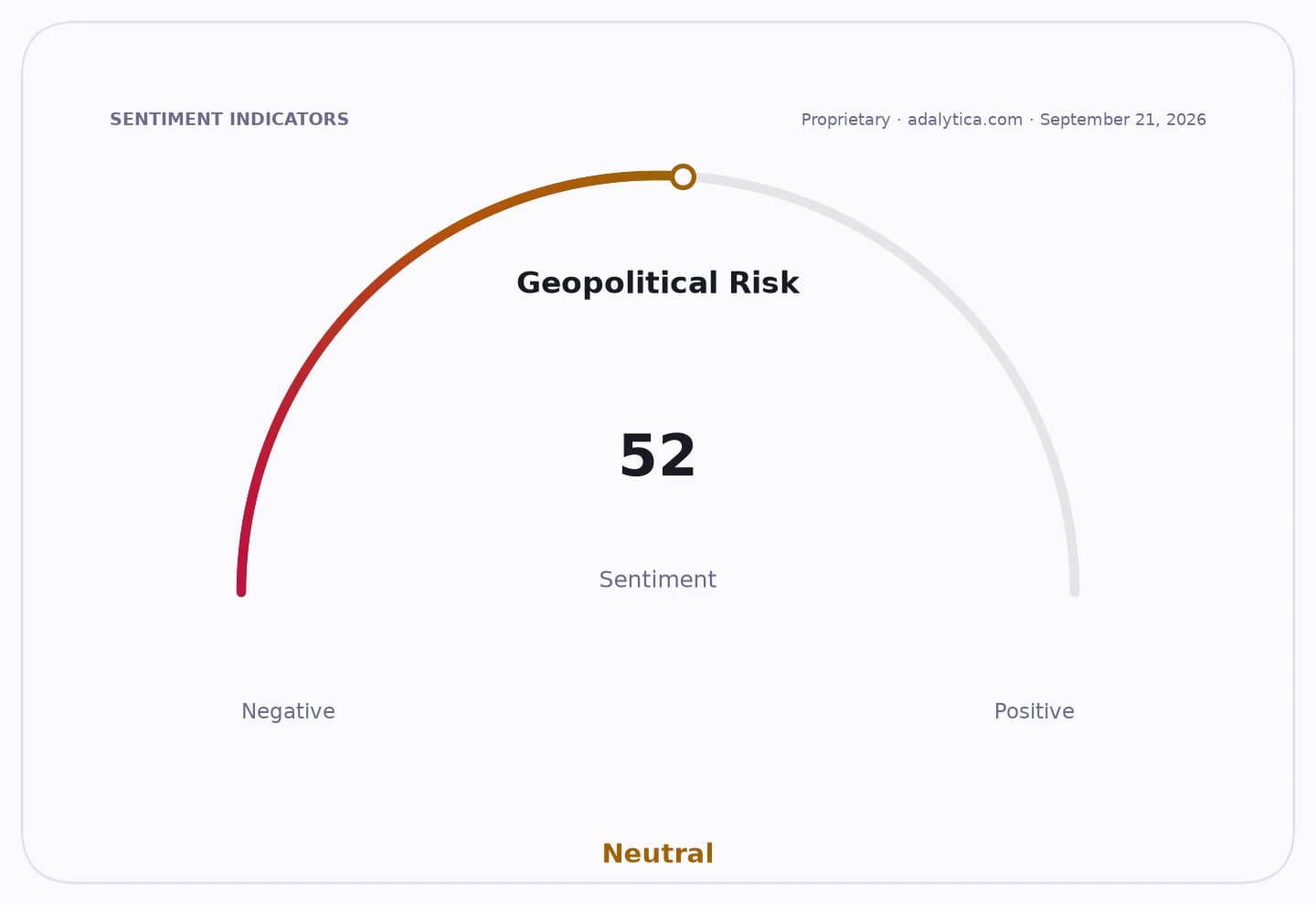
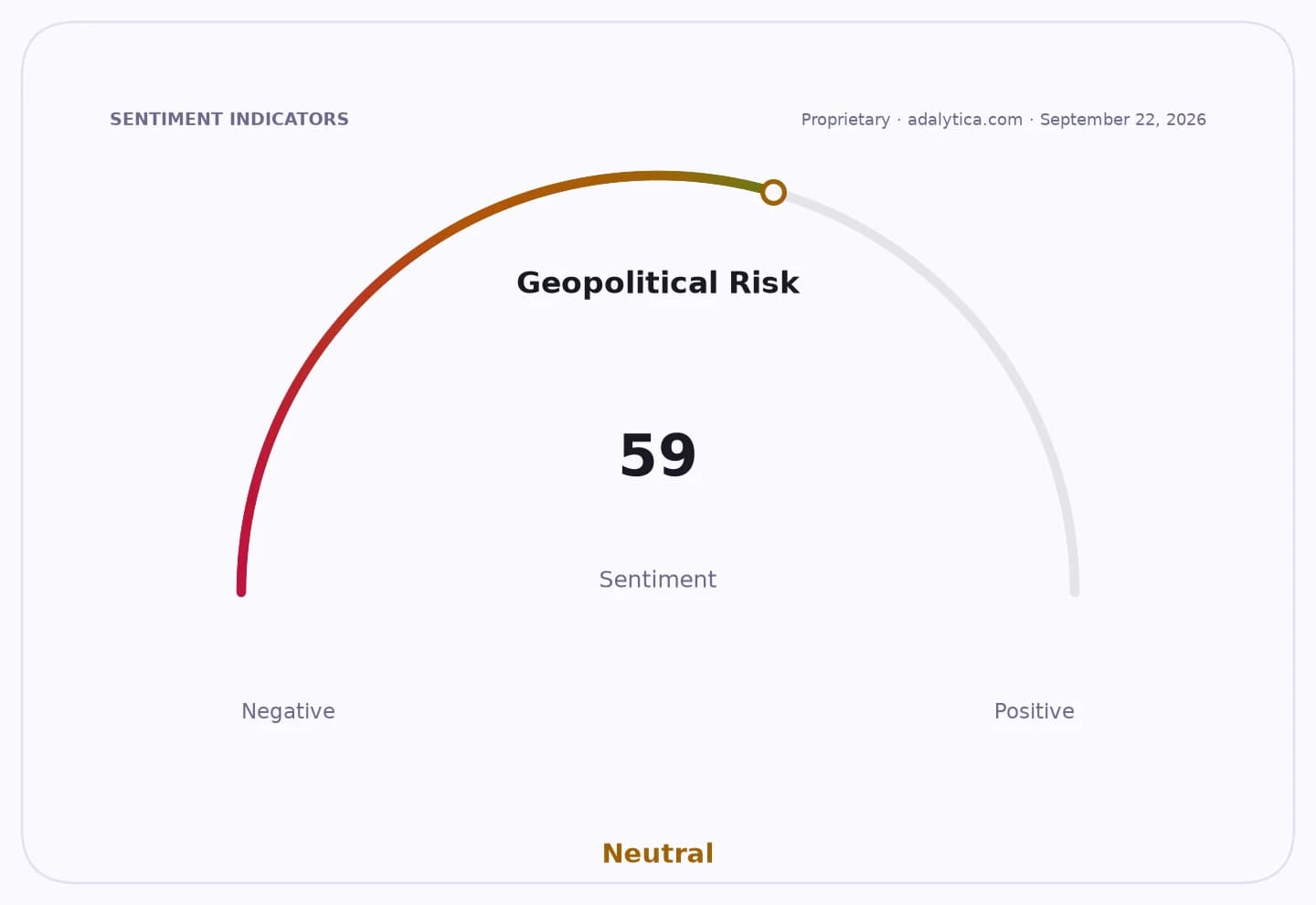
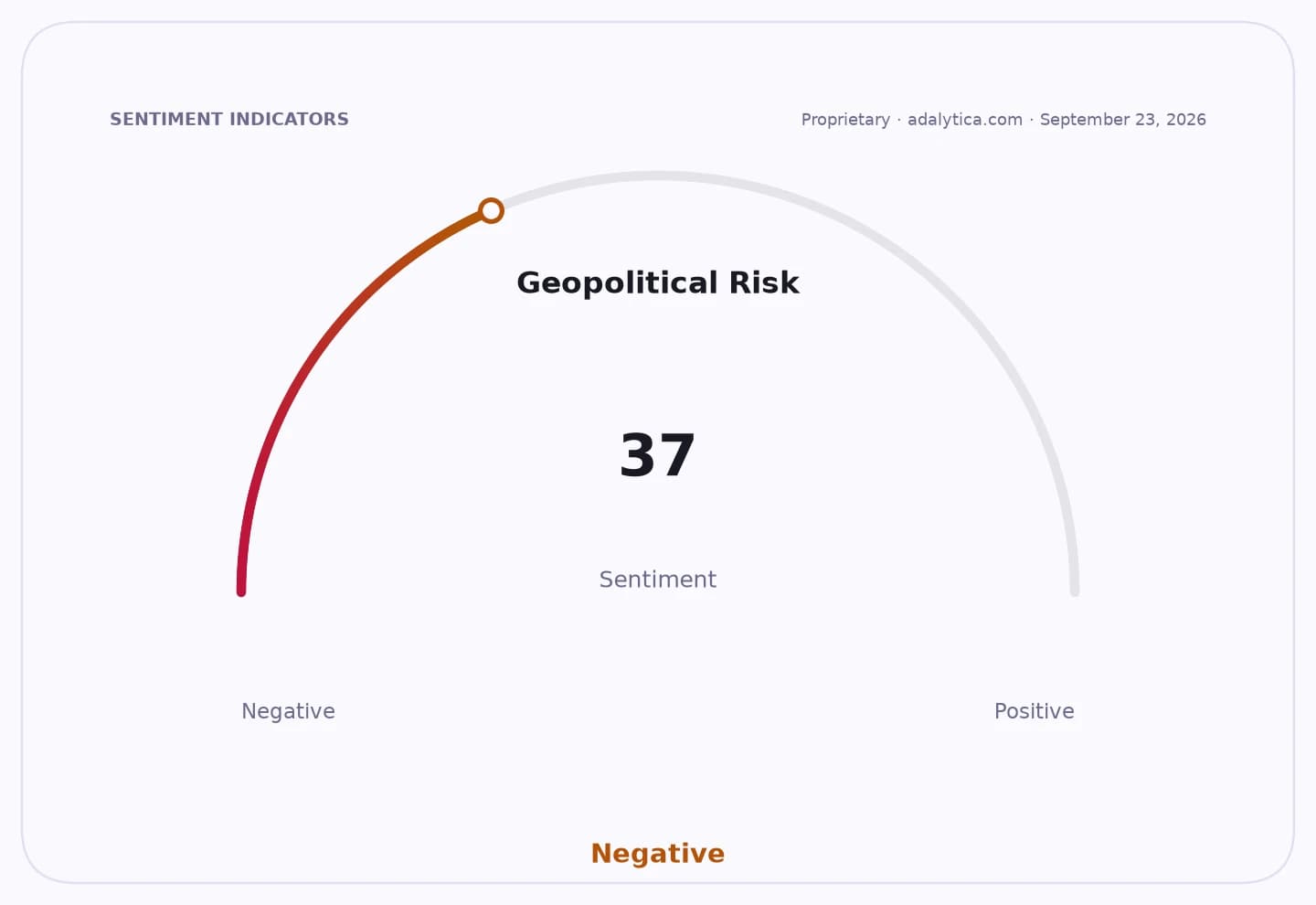
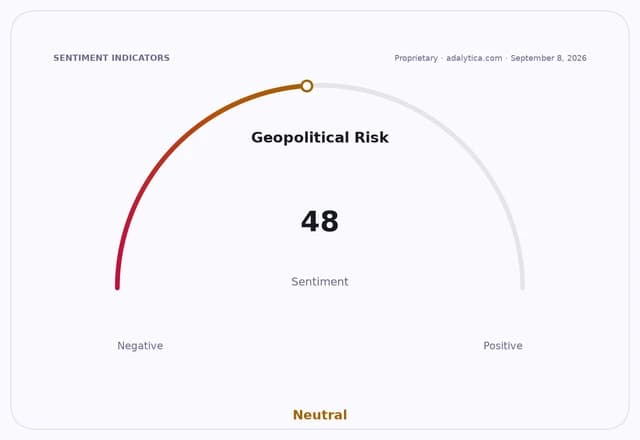
Sentiment IndicatorsⓘProprietary · adalytica.com · September 8, 2026
This is a snapshot — live sentiment, awareness and momentum for 130+ markets update continuously in the dashboard.Open AlphaPulse
For Gulf economies, the economic stakes are immediate. The region depends heavily on cross-border trade, imported goods and uninterrupted maritime logistics, while oil revenues remain the backbone of public finances. Any sustained escalation would raise transport and insurance costs, complicate supply chains and make it harder for governments to press ahead with diversification plans that assume stable access to global markets.
The forum in Bahrain focused on exactly those vulnerabilities, including the Gulf’s exposure to imports, trade flows in an era of geopolitical uncertainty and ways to strengthen resilience against external shocks. Speakers from Saudi Arabia’s transport and logistics ministry, the Saudi central bank and Bahrain’s finance ministry discussed regional coordination, including customs cooperation and competition-policy tools designed to keep markets functioning during crises.
Geopolitical Risk vs XLEadalytica.com
Explore this data interactively — full history, time series and cross-market comparisons.Open AlphaPulse
Investors care because the Gulf sits at the intersection of energy, shipping and sovereign wealth. Brent-style oil benchmarks have already been sensitive to renewed risk around the Strait of Hormuz, while energy equities have responded to the prospect of tighter supply and higher crude prices. The energy sector ETF XLE, for example, has climbed to about $64, well above its 50-day and 200-day moving averages, while the oil-services ETF OIH has also surged, reflecting a market still pricing in geopolitical premium.
A deeper regional integration push could help cushion those shocks over time by improving logistics links, customs harmonization and competition oversight. But the latest flare-up also underlines the limits of integration when the external environment turns hostile: even tightly linked Gulf economies cannot fully insulate themselves from a shipping chokepoint that carries a large share of the world’s oil exports.
The next test will be whether the violence around the Gulf eases or widens. If the confrontation deepens, pressure will build on oil prices, freight markets and Gulf fiscal planning; if diplomacy gains traction, the region’s integration agenda may regain momentum as a buffer against future shocks.
| Entity | Gains | Losses |
|---|---|---|
| Gulf energy exporters | ▲Higher oil prices | ▼Shipping and security risk |
| GCC integration advocates | ▲Urgency for coordination | ▼Short-term policy distractions |
| Oil and energy stocks | ▲Geopolitical premium | ▼Volatility if tensions ease |
| Importers and regional supply chains | ▲— | ▼Higher freight and disruption costs |