GE HealthCare Technologies is moving deeper into artificial intelligence for MRI-based diagnosis at a time when investors are already rewarding the company for the promise of software-driven imaging growth, and that makes the new brain-tumor detection work economically important well beyond the clinic.
GE HealthCare AI Imaging Could Lift Growth
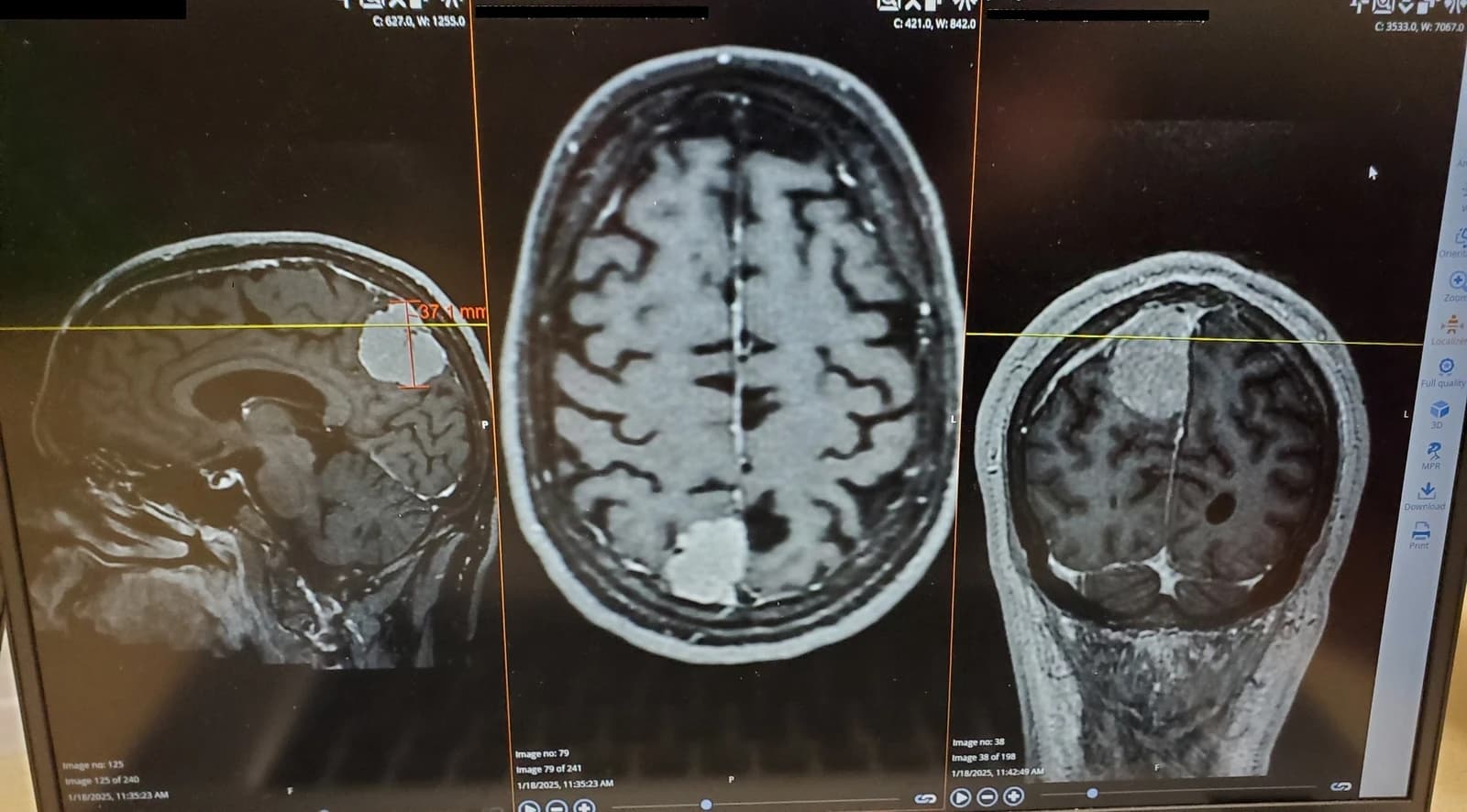
The core significance is not simply that AI may help radiologists identify and classify brain tumors more accurately. It is that better algorithms can increase the value of every MRI scan, support faster clinical decisions and strengthen the case for premium imaging systems, cloud-enabled software and recurring service revenue. In a healthcare market under pressure to cut wait times and improve throughput, even modest gains in diagnostic confidence can translate into broader adoption and better utilization across hospitals and imaging centers.
Sentiment IndicatorsⓘProprietary · adalytica.com · July 29, 2026
This is a snapshot — live sentiment, awareness and momentum for 130+ markets update continuously in the dashboard.Open AlphaPulse
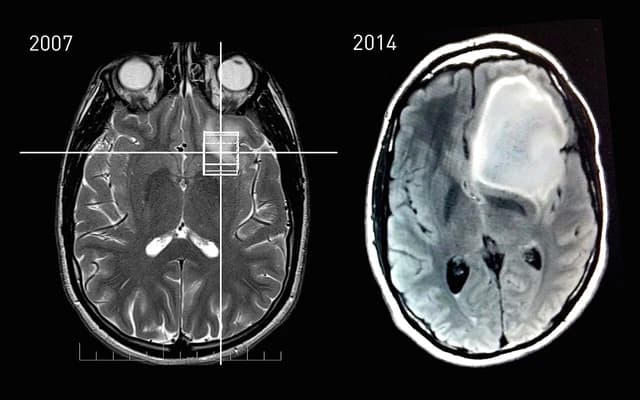
GE HealthCare’s timing matters. The stock has rebounded sharply from a spring selloff and recently traded above its 50-day moving average, with momentum indicators still constructive despite a pullback from December highs. That suggests investors are treating AI as more than a buzzword and as a potential margin and growth lever for the company’s imaging franchise. The latest filing also points to a clearer strategic emphasis on AI-powered enterprise imaging and closer links between imaging and advanced analytics, reinforcing the idea that GE HealthCare is trying to own more of the workflow around diagnosis, not just the scanner.
For hospitals, the appeal is straightforward. MRI backlogs remain a constraint in many systems, and brain tumor assessment is a high-stakes use case where speed and precision can change treatment pathways. If AI helps reduce false positives, sharpen tumor classification or standardize reads across sites, it can lower downstream costs, shorten time to therapy and improve capacity planning. Those are the kinds of operational gains that health systems increasingly need as staffing remains tight and reimbursement pressure persists.
Artificial Intelligence vs GEHCadalytica.com
Explore this data interactively — full history, time series and cross-market comparisons.Open AlphaPulse
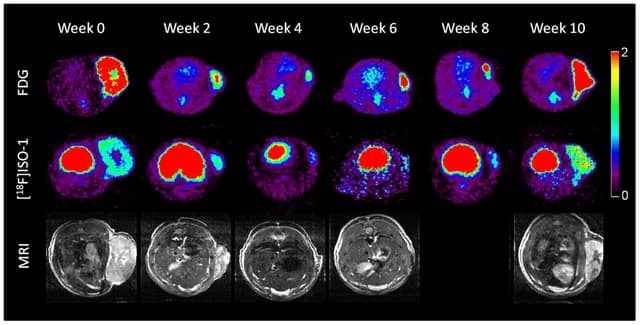
For investors, the bull case is that AI-enabled imaging could widen GE HealthCare’s moat by making its installed base more sticky and by creating software revenue streams with better margins than hardware alone. The bear case is that clinical validation, regulatory review and hospital procurement cycles can be slow, and the market has heard many promises about AI in medical imaging before seeing meaningful commercialization. Competitive pressure from Philips and other imaging peers also means GE HealthCare will need to show that its tools improve outcomes in a measurable way, not just in demonstrations.
The broader narrative is that imaging is evolving from a capital equipment business into a data-driven diagnostic platform. The companies that can combine scanners, cloud software and AI-assisted interpretation may be able to defend pricing power even in a tougher healthcare spending environment. For GE HealthCare, that makes brain-tumor MRI work less a standalone research story than another sign that the company is trying to convert technical innovation into a more durable earnings model.
What investors will watch next is whether the new method advances from proof-of-concept into clinical deployment, whether regulators and key opinion leaders validate its accuracy, and whether GE HealthCare can turn AI features into measurable commercial wins. If it can, the upside is not just better tumor detection — it is a stronger, more resilient imaging franchise.
| Entity | Gains | Losses |
|---|---|---|
| GE HealthCare | ▲Software-led growth | ▼Hardware-only pricing |
| Hospitals and radiology groups | ▲Faster diagnosis | ▼Manual workflow burden |
| Patients with suspected brain tumors | ▲Better clinical confidence | ▼Delays from backlog |
| Philips and imaging peers | ▲Similar AI adoption wave | ▼GEHC differentiation risk |