Germany’s finance ministry is preparing new tax rules for Bitcoin and other cryptocurrencies from 2027 that could end the current one-year holding period exemption, a change that would make gains taxable regardless of how long investors hold their coins.
Germany plans new Bitcoin tax rules from 2027
That matters because Germany has been one of the few major markets treating crypto profits from private sales more favorably than equities and most other financial assets. Replacing the current capital-gains carveout with a 25% withholding-style tax would narrow the gap between Bitcoin and traditional investments, while also increasing reporting and compliance burdens for traders and brokers.
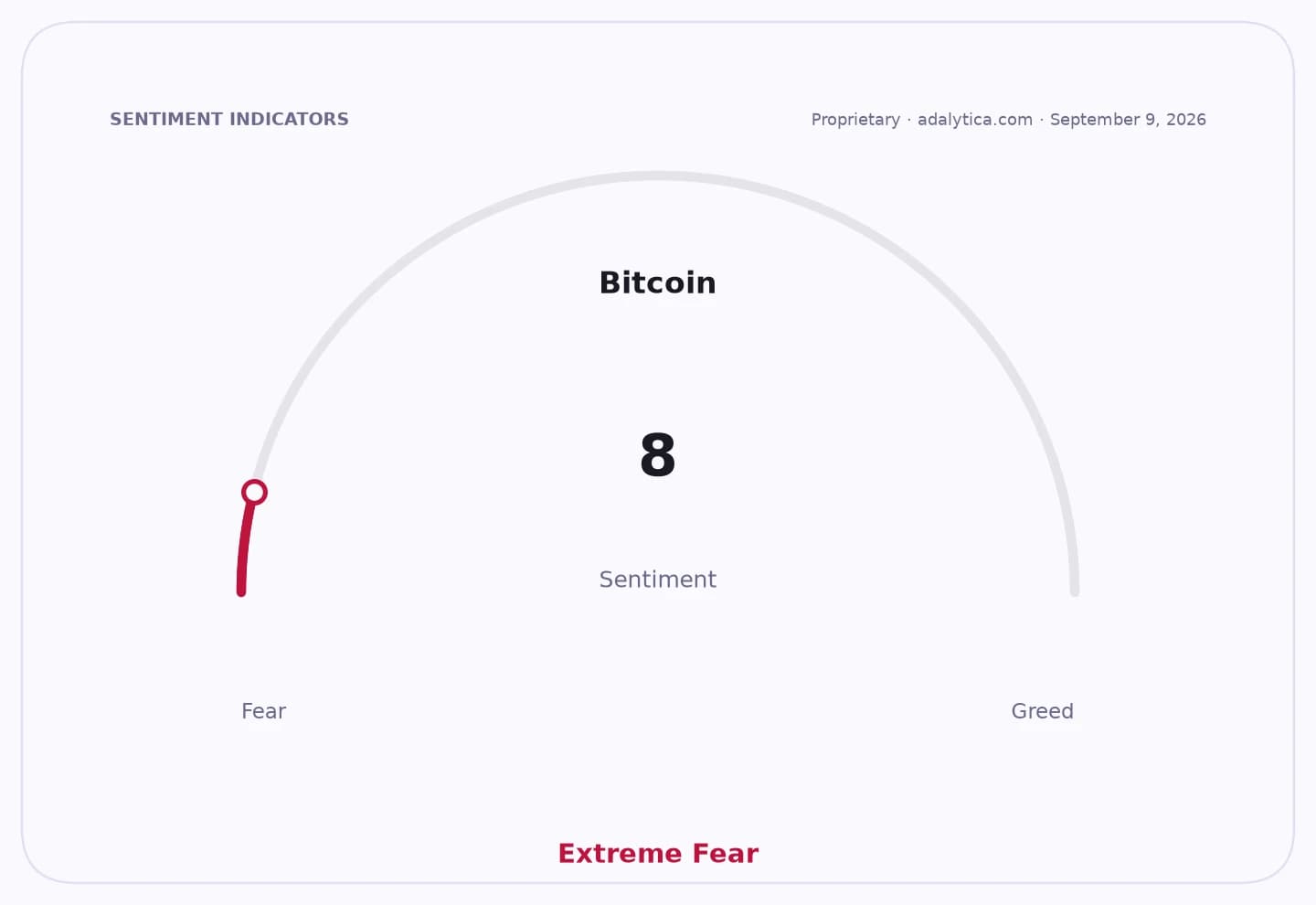
Sentiment IndicatorsⓘProprietary · adalytica.com · September 9, 2026
This is a snapshot — live sentiment, awareness and momentum for 130+ markets update continuously in the dashboard.Open AlphaPulse
The draft, reported by Welt and described as being in early interministerial coordination, is still subject to change before it reaches the Bundestag and Bundesrat. But the mere move puts Europe’s largest economy on a path toward tighter and more standardized crypto taxation at a time when governments are hunting for revenue and trying to fold digital assets into existing tax systems.
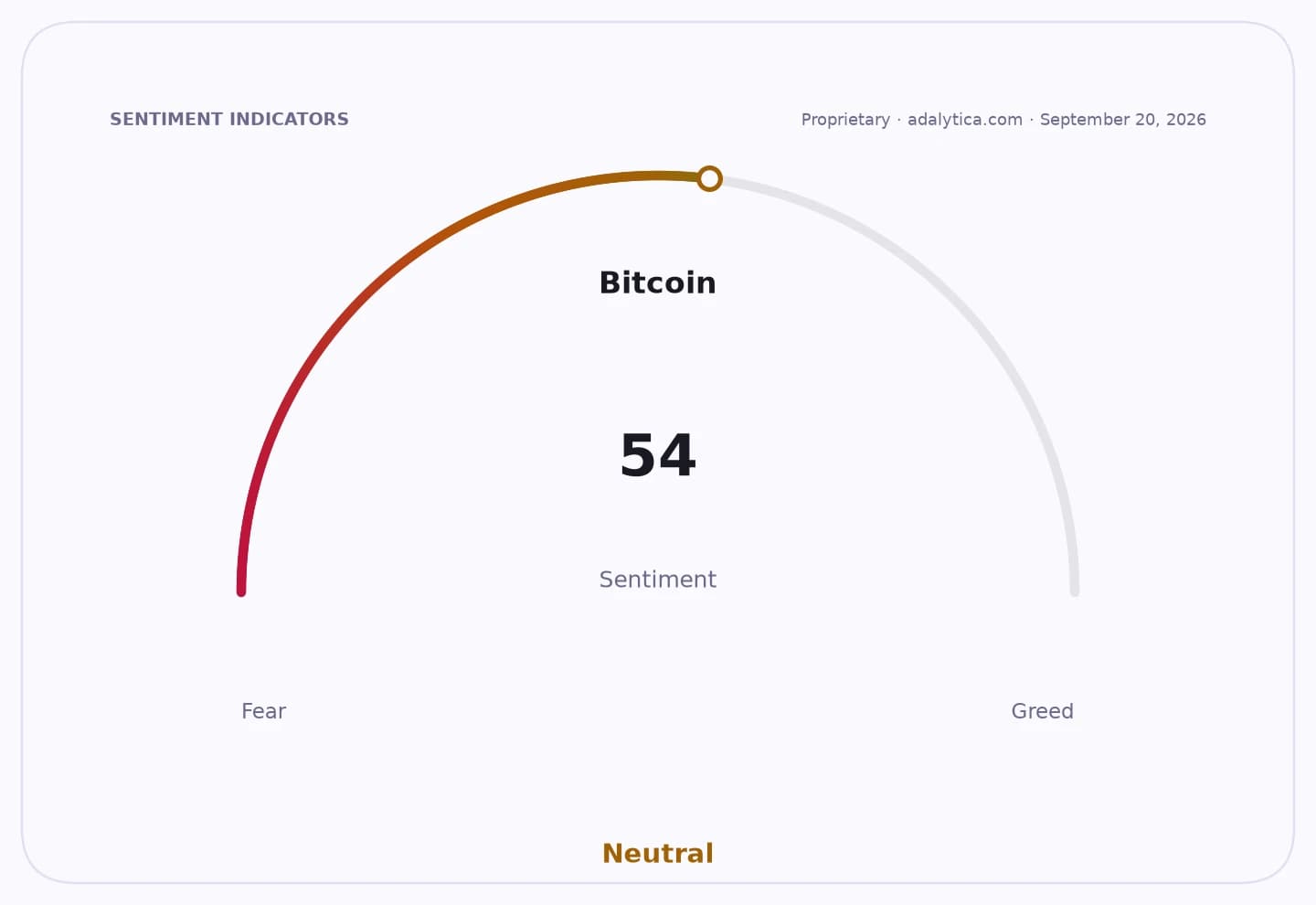
For investors, the timing matters as much as the substance. Bitcoin trades around $78,393, near its 50-day and 200-day moving averages, while the broader market mood remains fragile, with Adalytica’s Bitcoin Fear & Greed Index at 8, or “Extreme Fear.” Coinbase shares, a proxy for crypto trading activity, have fallen to $176.28, and MicroStrategy, which holds bitcoin on its balance sheet, was last at $133.45.
The policy shift would likely hit short-term speculators and active holders hardest, while reducing a tax advantage that has helped German retail investors favor longer holding periods. By contrast, institutional players and exchanges could benefit from clearer, more conventional tax treatment that makes reporting simpler and the market easier to integrate into standard financial plumbing.
The debate is now political as well as fiscal. Supporters argue the current rule is an outlier in international crypto taxation; critics say Berlin is effectively adding a new levy on a sector already under pressure from volatility, hacks and falling sentiment.
If the proposal survives the legislative process, it could become a reference point for other European governments weighing whether crypto should keep its special status or be treated more like any other financial asset.
| Entity | Gains | Losses |
|---|---|---|
| German tax authority | ▲Higher revenue collection | ▼ |
| Bitcoin holders in Germany | ▲Clearer rules | ▼Tax-free gains after 12 months |
| Exchanges and brokers | ▲Simpler reporting framework | ▼Less tax-driven trading volume |
| Active crypto traders | ▲ | ▼Higher effective tax burden |