Germany’s coal heartland is trying to do something that matters far beyond one region: replace a fading industrial model with businesses that can compound for decades, not just survive the next election cycle.
Germany’s Coal Belt Bets on Green Second Act
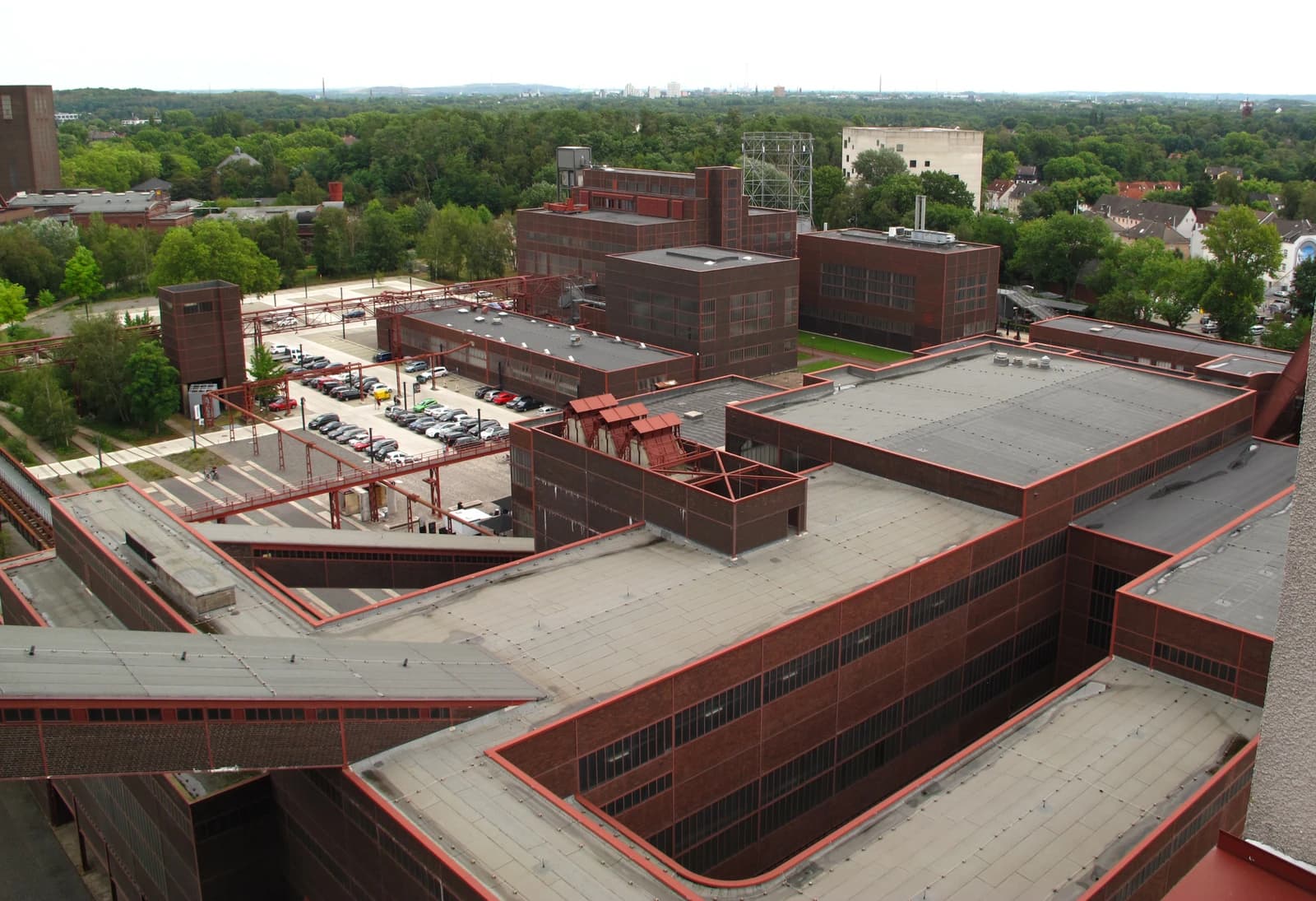
In North Rhine-Westphalia’s former lignite belt, the story is no longer only about shutting mines and smoke stacks. It is about building a new local economy around renewable energy, cleaner industry and ecotourism — and proving that a coal region can become an investable growth region again. That matters because the energy transition is never just a climate story; it is a capital allocation story, a jobs story and, increasingly, a land-use story.
Sentiment IndicatorsⓘProprietary · adalytica.com · July 27, 2026
This is a snapshot — live sentiment, awareness and momentum for 130+ markets update continuously in the dashboard.Open AlphaPulse
For investors, the significance is straightforward. Regions that can redeploy power, grid access, transport links and industrial land into renewables, storage, green manufacturing and tourism tend to attract the next wave of spending. Regions that cannot, usually get left behind with stranded assets and shrinking tax bases. Germany’s coal country is trying hard to land in the first camp.
The clearest opportunity is renewable energy. Coal regions often have what clean-energy developers want most: space, transmission infrastructure and political urgency. Former mining land can be repurposed for wind and solar farms faster than greenfield projects elsewhere, and the political case is easier when the alternative is economic decline. That creates a real second-act narrative for utilities, infrastructure investors and local governments looking to turn brownfield sites into long-lived cash-flow assets.
The ecotourism angle may sound small next to power generation, but it is economically important because it broadens the region’s income base. Industrial transitions fail when they depend on a single replacement employer. Tourism, recreation and environmental restoration bring in smaller-ticket revenues, but they also support restaurants, hotels, mobility services and local retail. Over time, that diversification can make a region more resilient and less dependent on one commodity cycle.
Market data underscores the difference between old-economy stress and the assets tied to the energy transition. Siemens Energy, a key supplier to the power grid and renewable buildout, has seen its shares climb to 151.34 euros from 100.37 euros in late November, even after a recent pullback. The stock had traded well above both its 50-day and 200-day moving averages before the latest dip, a sign of how strongly investors had been rewarding exposure to electrification and grid investment. Volkswagen, meanwhile, has struggled to sustain momentum, with its shares falling to 71.46 euros from 99.79 euros in early January and trading below both its 50-day and 200-day averages. That gap tells you where capital is still skeptical and where it is willing to pay for future growth.
The broader market backdrop is also supportive of the transition theme. The S&P 500, by Adalytica.com’s trade signals, sits in “Extreme Fear,” a reminder that investors are nervous about risk assets even as long-duration themes like electrification, infrastructure and industrial renewal continue to matter over a multiyear horizon. For long-term investors, periods of caution often separate durable compounders from crowded trades.
There are risks, of course. Redevelopment can be slow, subsidies can distort incentives and tourism alone will not replace the wages and supplier networks built around coal. Renewable projects also need grids, permits and political consistency. But the long-run direction is hard to ignore: coal regions that successfully convert legacy assets into cleaner power, services and recreation can keep generating economic value long after the pits close.
That is why Germany’s coal country deserves investor attention. The important question is not whether the old economy is disappearing — it is. The real question is which companies, municipalities and asset owners can turn that disappearance into a profitable new operating model. For patient investors, the answer may lie in the boring but powerful parts of the transition: grid builders, renewable developers, industrial enablers and diversified local economies worth watching for years, not quarters.
| Entity | Gains | Losses |
|---|---|---|
| Renewable developers | ▲Land access, policy tailwinds | ▼Coal-era incumbents |
| Local tourism businesses | ▲New visitor spending | ▼Heavy-industry dependence |
| Grid and infrastructure suppliers | ▲More electrification spending | ▼Fossil-fuel logistics |
| Coal-linked communities that adapt | ▲New jobs, broader tax base | ▼Regions that resist change |