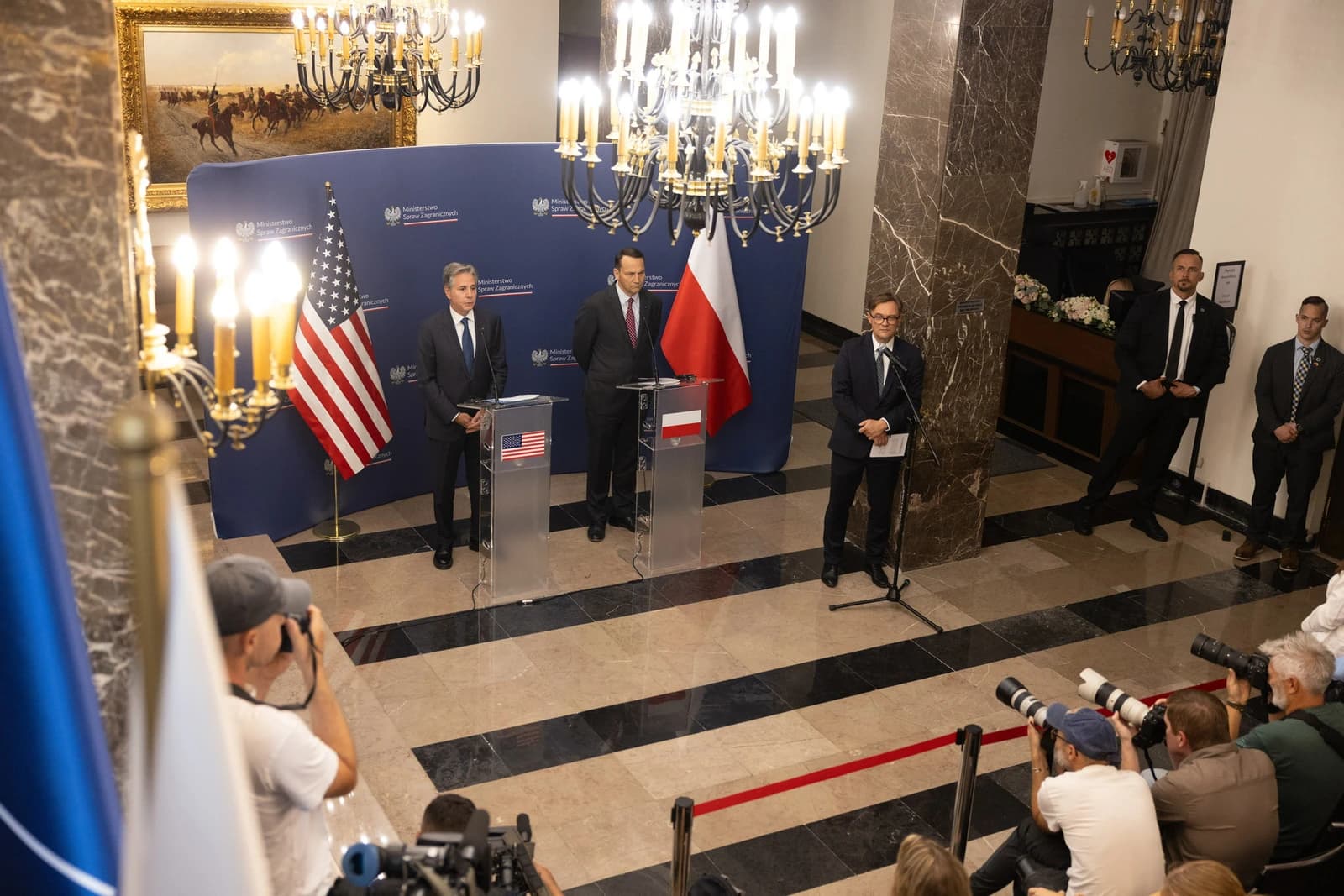
Germany will raise defense spending to 3.5% of GDP by 2029, a step that would put Europe’s biggest economy on track to meet NATO’s direct military spending target six years before the alliance’s 2035 deadline.
Germany to Raise Defense Spending to 3.5% by 2029

The commitment matters because it turns a political pledge into a multi-year fiscal shift with implications for Germany’s budget, the broader European defense buildout and suppliers across the Atlantic. Finance Minister Lars Klingbeil said the increase in defense outlays would begin in 2027, when Berlin starts moving from a post-pandemic, debt-sensitive fiscal stance toward sustained rearmament.
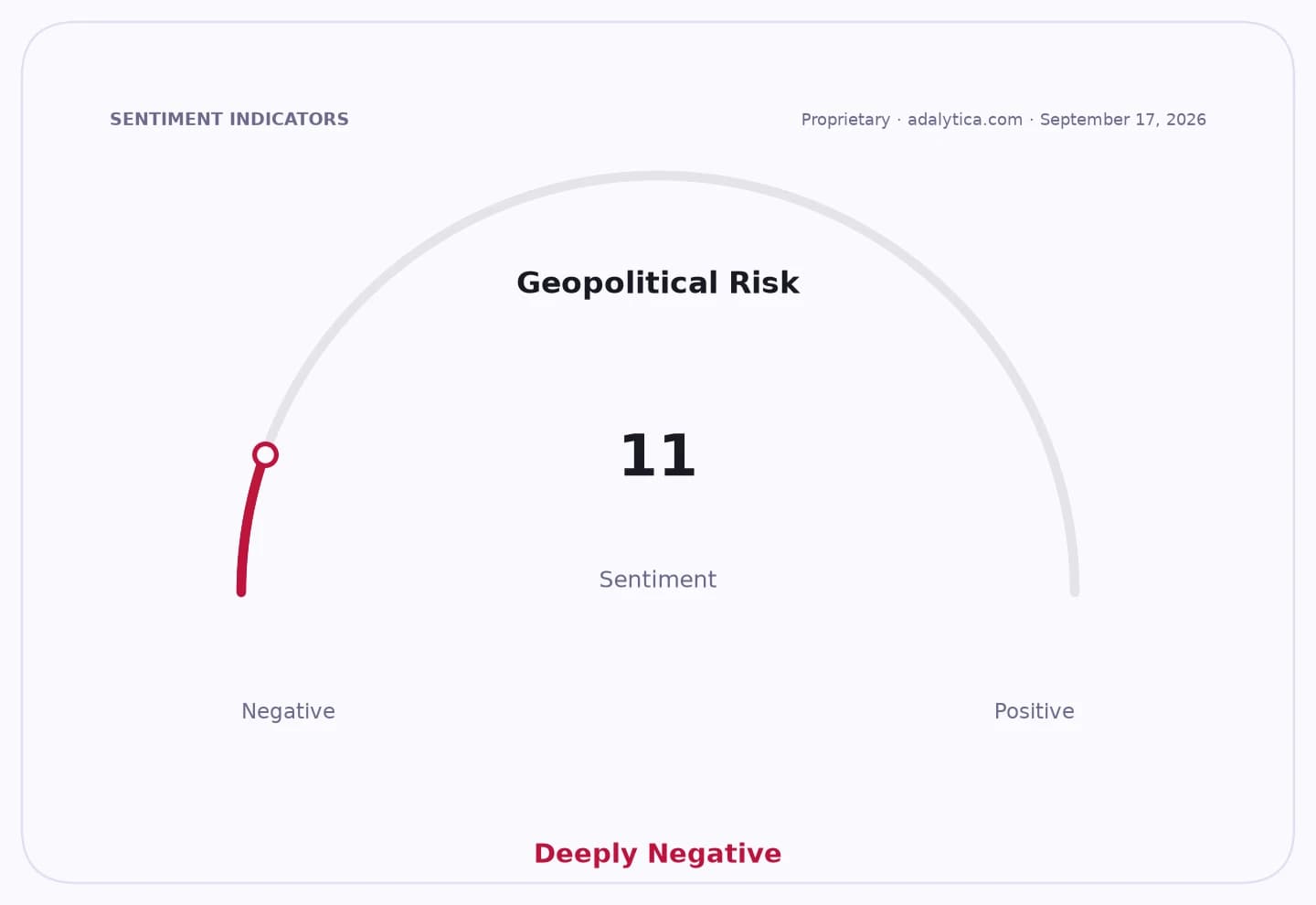
Sentiment IndicatorsⓘProprietary · adalytica.com · September 9, 2026
This is a snapshot — live sentiment, awareness and momentum for 130+ markets update continuously in the dashboard.Open AlphaPulse
Under the NATO framework adopted at the 2025 Hague summit, allies agreed to lift total security-related spending to 5% of GDP by 2035, with 3.5% earmarked for direct defense and 1.5% for related security investment. Germany’s plan to hit the 3.5% core-defense threshold by 2029 puts it among the faster movers in Europe and should help close a gap long criticized by Washington, especially by President Donald Trump, who has repeatedly pressed allies to spend more.
Economically, the shift is significant because defense spending of that scale will be large enough to influence the composition of German public expenditure and support industrial demand in a weak growth environment. It also signals that Berlin is willing to protect defense outlays even as other budget pressures persist, underscoring how the security agenda is now competing directly with welfare, infrastructure and climate spending for fiscal space.
For investors, the clearest beneficiaries are defense contractors and the supply chain tied to munitions, air defense, electronics, shipbuilding and maintenance. U.S. primes including Lockheed Martin, Northrop Grumman and RTX have already been trading as proxy names for the expected European rearmament cycle. Their shares have been volatile in recent sessions, but the broader setup remains favorable if Germany converts the pledge into procurement contracts and domestic industrial spending.
The bear case is that budget targets are easier to announce than to execute. Germany’s coalition politics, procurement bottlenecks and Europe’s thin manufacturing base could slow actual disbursement, while a more cautious macro backdrop could pressure other spending priorities. That said, the decision to start increasing defense spending in 2027 gives the program a firmer timetable than many previous NATO commitments.
For markets, the key question is no longer whether Germany will spend more, but how quickly that spending turns into orders. If Berlin follows through, the result should be a longer earnings tailwind for defense suppliers and a stronger case for European security assets, while reinforcing the view that the continent’s military rearmament is becoming a structural, not cyclical, theme.
| Entity | Gains | Losses |
|---|---|---|
| German defense sector | ▲Bigger procurement pipeline | ▼Budget competition |
| NATO allies | ▲Stronger burden-sharing | ▼Less room for delay |
| U.S. defense contractors | ▲Export demand potential | ▼Pricing pressure |
| German taxpayers | ▲Potentially stronger security | ▼Higher fiscal burden |