Germany’s call to reconsider its approach to Russia underscores a bigger investment truth: Europe’s energy and security premium is back, and markets are once again being asked to price geopolitics as a persistent cost of doing business.
Germany Russia Row Keeps Europe Energy Risk High

The immediate catalyst is Berlin’s accusation that Moscow was behind drones found at Leipzig airport, a charge Russia has denied. But the deeper issue for investors is not one incident — it is the steady hardening of Europe’s confrontation with Russia at the very moment energy infrastructure across the wider conflict zone is under renewed attack. That keeps fuel prices, supply chains and defense spending in focus, while making any diplomatic easing look more distant.
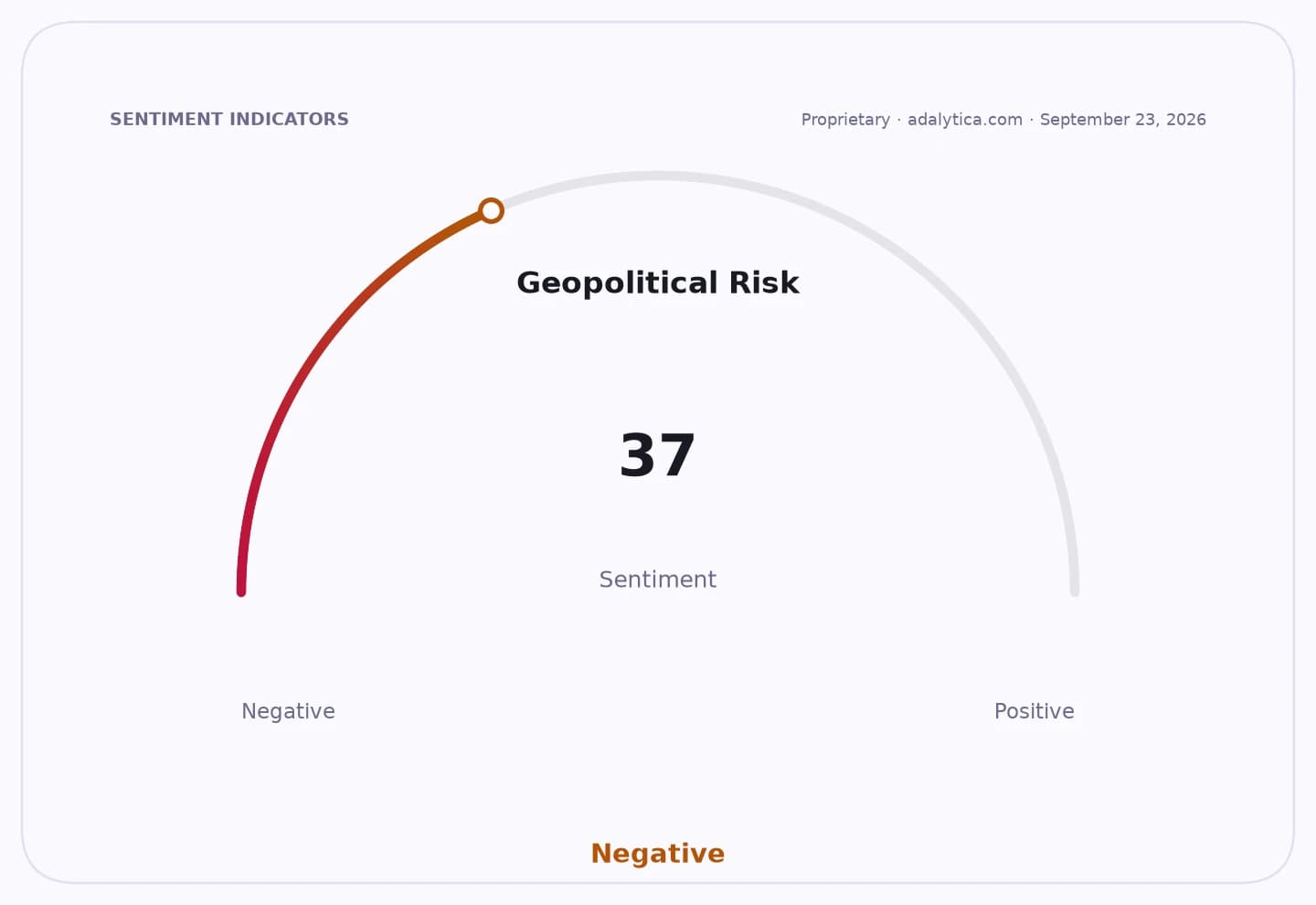
Sentiment IndicatorsⓘProprietary · adalytica.com · September 4, 2026
This is a snapshot — live sentiment, awareness and momentum for 130+ markets update continuously in the dashboard.Open AlphaPulse

Fabio De Mazi, a European Parliament member and co-chair of Germany’s BSW party, said Berlin should “get out of the spiral of escalation” and open channels for dialogue with Russia. He argued that German authorities had made unsupported claims about Moscow’s role in the airport incident and said the broader Western response to the war has only prolonged the damage. Germany’s interior minister, Alexander Dobrindt, had earlier said Berlin holds Russia responsible.
For investors, the point is bigger than the political back-and-forth. Europe’s most important economy is being pulled between sanctions, deterrence and the need to keep energy costs from feeding into inflation and growth weakness. That tension matters to every industry that relies on stable power, transport and logistics. It also matters to oil producers and integrated energy companies, which tend to benefit when geopolitical risk keeps crude prices supported.
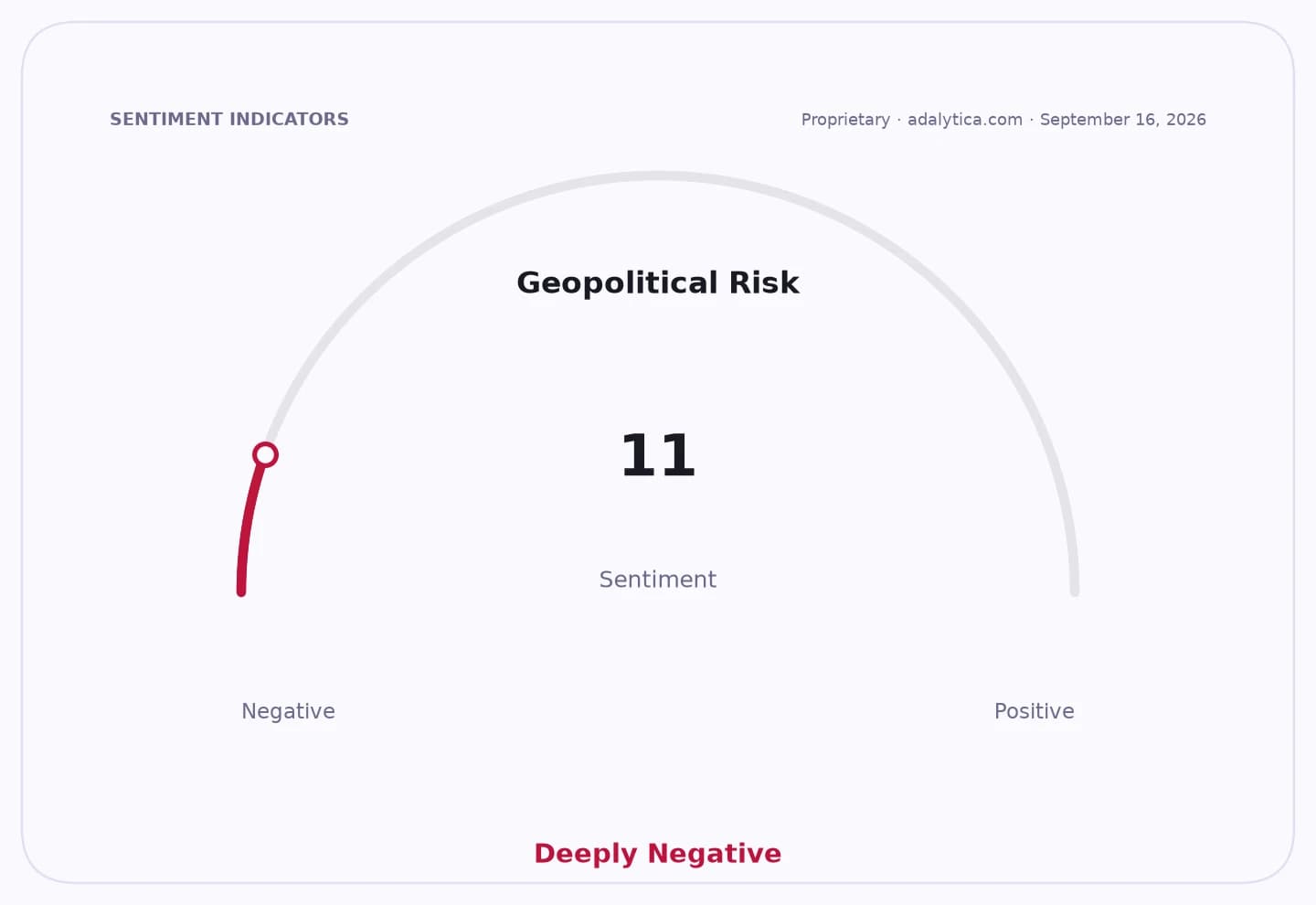
Geopolitical Risk — 30-day sentimentadalytica.com
Explore this data interactively — full history, time series and cross-market comparisons.Open AlphaPulse
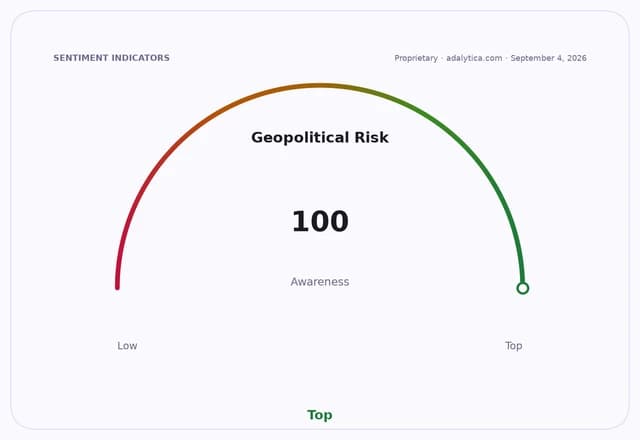
That backdrop helps explain why energy stocks have remained resilient. Exxon Mobil has climbed to about $164 a share, well above its 50-day and 200-day moving averages, while Chevron is near $212 and Shell around $92, all of them trading with the kind of technical strength that usually reflects a market still willing to pay for cash flow and geopolitical insulation. At the same time, Adalytica’s oil-trade gauge shows extreme fear even as awareness remains elevated, a combination that often accompanies headline-driven markets rather than durable calm.
The economic stakes are not limited to oil. The conflict has increasingly spilled into power grids and refining networks, raising the odds of further disruptions in Europe and beyond. That is why calls for diplomacy tend to resonate whenever escalation threatens to lock in higher energy costs for longer. If the rhetoric hardens, it supports the case for defense spending and traditional energy. If talks gain traction, it could ease some pressure on the region’s growth outlook, but probably not quickly enough to remove the risk premium investors have learned to live with.
For long-term investors, the lesson is simple: geopolitical shocks rarely disappear on schedule. They fade, flare up and leave lasting traces in valuations, margins and policy. Energy producers with strong balance sheets and shareholders returns can still make sense in that environment, but so can patience and diversification. This is the kind of backdrop where investors should keep watching for policy shifts, not chase every headline.
| Entity | Gains | Losses |
|---|---|---|
| Exxon Mobil, Chevron, Shell | ▲Higher risk premium | ▼Diplomatic easing |
| Europe’s energy importers | ▲Longer-term diversification push | ▼Near-term cost pressure |
| Defense contractors | ▲Bigger security budgets | ▼Lower tension scenario |
| Consumers and manufacturers | ▲Potential stability if talks resume | ▼Elevated fuel and power costs |