Ghana is moving to retire up to 28.58 billion cedis, or about $2.44 billion, of restructured domestic debt early, in a bid to flatten a heavy repayment spike due in February 2027 and steady investor confidence in its local bond market.
Ghana Plans Early Buyback of 28.58 Billion Cedis Debt
The Finance Ministry said the offer will be run as a reverse auction from Nov. 23 to Nov. 25, with settlement the following day, allowing holders of the bonds to submit the prices at which they are willing to sell back the securities. The treasury will then accept the most attractive bids up to the stated ceiling and cancel the repurchased paper.
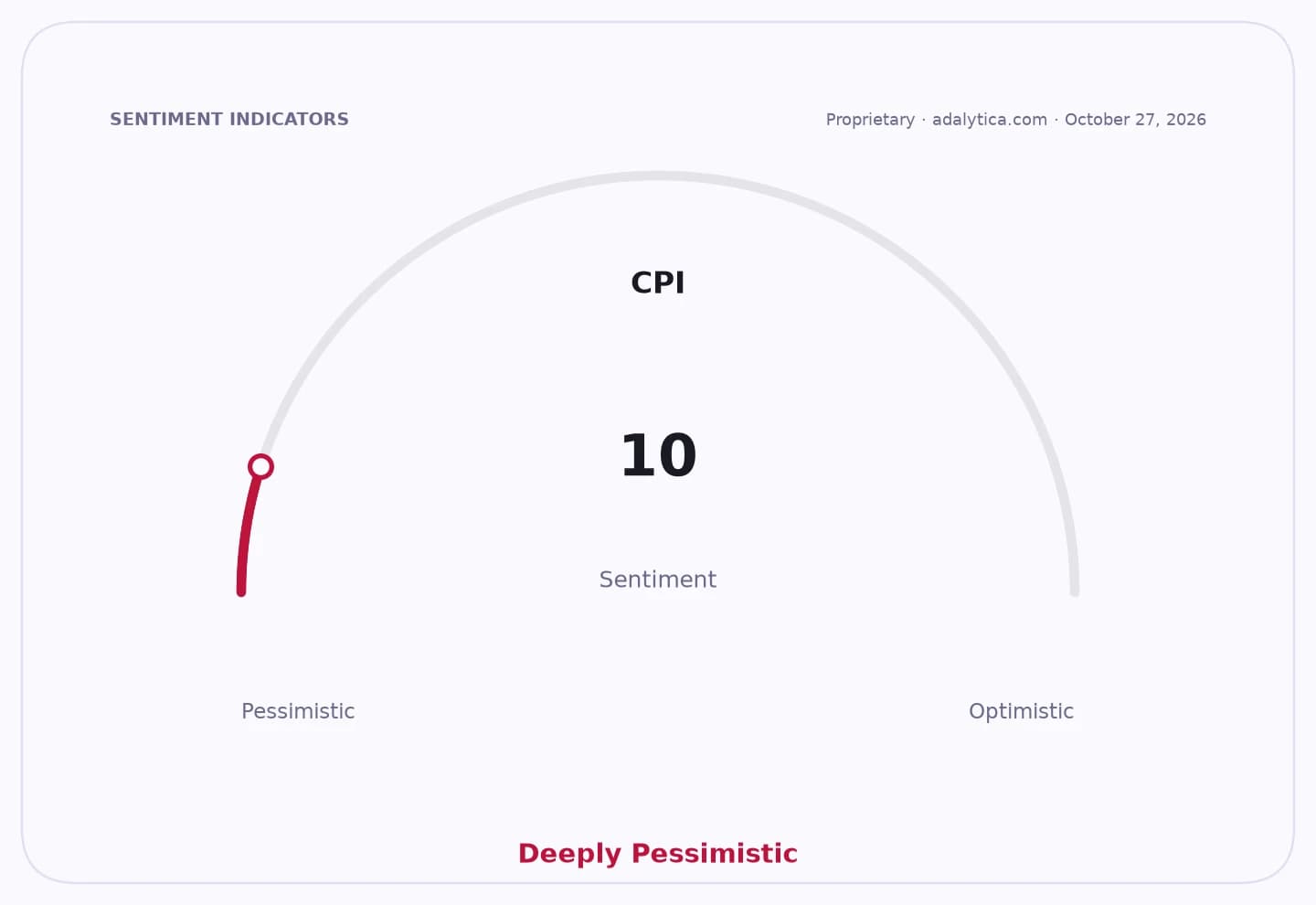
Sentiment Indicators
The economics are straightforward: Ghana is trying to reduce near-term refinancing pressure before a large maturity wall comes due. Budget documents cited by local media put the debt-service bill linked to the February 2027 maturity at about 40.1 billion cedis, including nearly 29 billion cedis of principal. By setting the buyback ceiling close to that principal amount, Accra is signaling it wants to take out almost the entire capital repayment before it lands on the sovereign balance sheet.
That matters because the domestic debt restructuring hit banks, insurers and pension funds hard, leaving scars across the local financial system and raising the government’s funding costs. A successful buyback would help restore some trust with institutional holders that were forced into less favorable terms during the restructuring and may be wary of holding long-dated cedi paper without a clearer exit path.
For investors, the key issue is not just how much paper Ghana can retire, but at what yield. The auction results will show whether the state can refinance itself on manageable terms or whether holders will demand a meaningful premium to give up bonds that otherwise pay through 2027. A strong take-up at reasonable rates would support the broader rehabilitation of Ghana’s debt market; a weak response would suggest lingering skepticism over sovereign liquidity and execution risk.
The move also has a macro purpose beyond debt management. By giving banks, insurers and pension funds a chance to cash out early, the government is trying to free up liquidity in the domestic financial system and support the circulation of capital after a prolonged period of balance-sheet strain. That could ease pressure on lenders still dealing with elevated non-performing loans and help improve transmission in the local market.
Ghana’s buyback comes as sovereign risk remains sensitive across emerging markets, with the US dollar showing signs of renewed fear in Adalytica’s trade signals after a recent spike in market anxiety. For Ghana, the immediate test is whether the operation can shrink the 2027 repayment wall without reopening questions about the durability of the country’s post-restructuring recovery.
| Entity | Gains | Losses |
|---|---|---|
| Ghana government | ▲Lower 2027 repayment wall | ▼Higher near-term cash use |
| Banks, insurers, pension funds | ▲Early liquidity exit | ▼Forgone future coupon income |
| Bondholders selling into auction | ▲Cash now | ▼Upside from holding to maturity |
| Remaining Ghana creditors | ▲Potentially stronger credit profile | ▼Risk of lower market liquidity |