Ghana’s colleges of education are pressing for a national artificial intelligence policy, arguing that the country’s teacher-training system is already being shaped by AI even as schools lack clear rules, digital devices and staff support to manage it.
Ghana colleges of education seek national AI policy

The call matters because teacher education is the pipeline for classrooms across the country: if colleges do not set standards for how AI can be used, confusion over academic integrity, assessment and data privacy could spread into the wider school system. It also highlights a second constraint — the absence of basic hardware such as laptops for lecturers and tutors — that could slow adoption even where there is appetite to use AI in teaching and research.
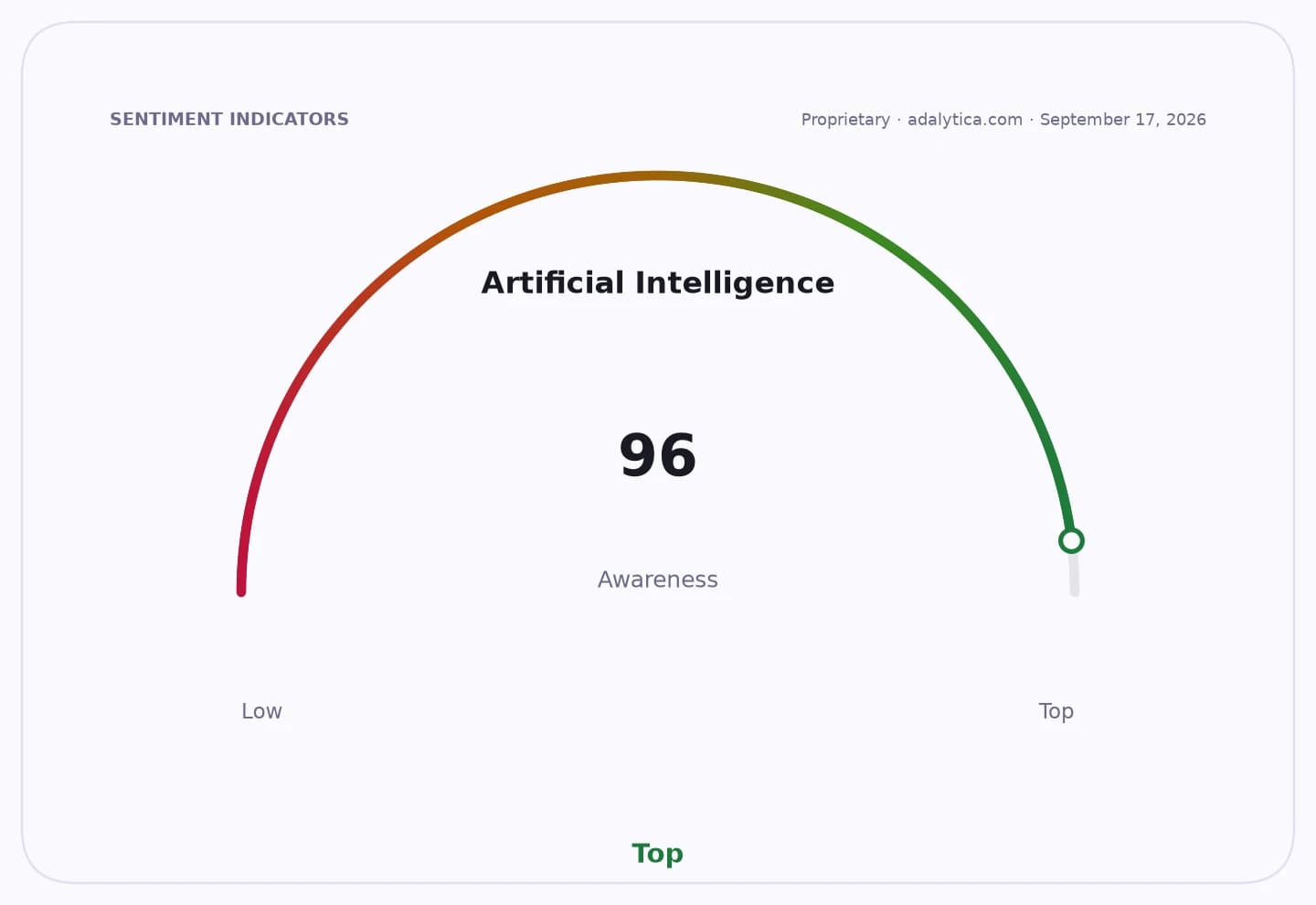
Sentiment IndicatorsⓘProprietary · adalytica.com · September 7, 2026
This is a snapshot — live sentiment, awareness and momentum for 130+ markets update continuously in the dashboard.Open AlphaPulse

At the annual PRINCOF conference in Kumasi, principals said students are often ahead of institutions in using AI, creating a policy vacuum that leaves individual colleges to improvise. PRINCOF national president Samuel Awinkene Atintono said colleges should begin drafting their own policy statements now, rather than wait for a central directive, so that Ghana Tertiary Education Commission can build a national framework from sector practice.
Professor Eric Appau Asante, the AI coordinator at Kwame Nkrumah University of Science and Technology, said the lack of rules itself becomes a default policy because it hands judgment to the most confident user. He said institutions need to define permitted use, disclosure requirements, assessment redesign, data and privacy protections and staff entitlements — the core issues that determine whether AI improves learning or simply makes cheating easier.

The funding angle is just as important. Colleges of education and their teachers’ association are asking government to provide laptops and other digital resources, saying teachers cannot be expected to integrate AI into instruction without the tools to use it. That turns the debate from a narrow academic issue into a budget question, with implications for public spending on education technology, teacher training and curriculum reform.
The broader economic significance is that Ghana is confronting the same problem now facing education systems globally: AI is moving faster than regulation and faster than institutional investment. Countries that create workable rules and equip teachers early are more likely to build a workforce with stronger digital skills and more credible academic standards. Those that lag risk widening the gap between students’ informal AI use and formal classroom practice.
For investors and suppliers in the education technology space, the message is that demand is shifting from pilot projects to system-wide infrastructure — devices, software, training and compliance tools. The immediate winners would be institutions and vendors able to offer secure AI platforms and teacher-skilling programmes; the losers are colleges that stay under-resourced and students navigating inconsistent rules.
The next test will be whether GTEC turns the sector’s proposed policy statements into a national framework, and whether government matches the rhetoric on AI with capital spending on devices and connectivity. Without both, Ghana’s teacher-training colleges may remain in a catch-up mode while AI becomes embedded in education anyway.
| Entity | Gains | Losses |
|---|---|---|
| PRINCOF colleges | ▲Clearer AI rules | ▼Policy uncertainty |
| Teachers and lecturers | ▲Laptops, digital tools | ▼Resource constraints |
| Government/GTEC | ▲Sector-wide framework | ▼Pressure to fund rollout |
| Students using AI | ▲More accepted use cases | ▼Ad hoc restrictions |