MTN Foundation and SAIL Empowerment Foundation have trained 5,000 Nigerian public school teachers in inquiry-based learning and AI-assisted teaching, marking one of the country’s largest private-sector pushes to bring artificial intelligence into classrooms.
MTN Foundation Trains 5,000 Nigerian Teachers on AI
The program matters because Nigeria’s public education system is under pressure to improve teaching quality at scale, and the impact of teacher training multiplies quickly. Organizers said the 5,000 teachers could indirectly reach about 400,000 pupils a year if each teaches 80 children, making the initiative more than a ceremonial fellowship and closer to a national capacity-building effort.
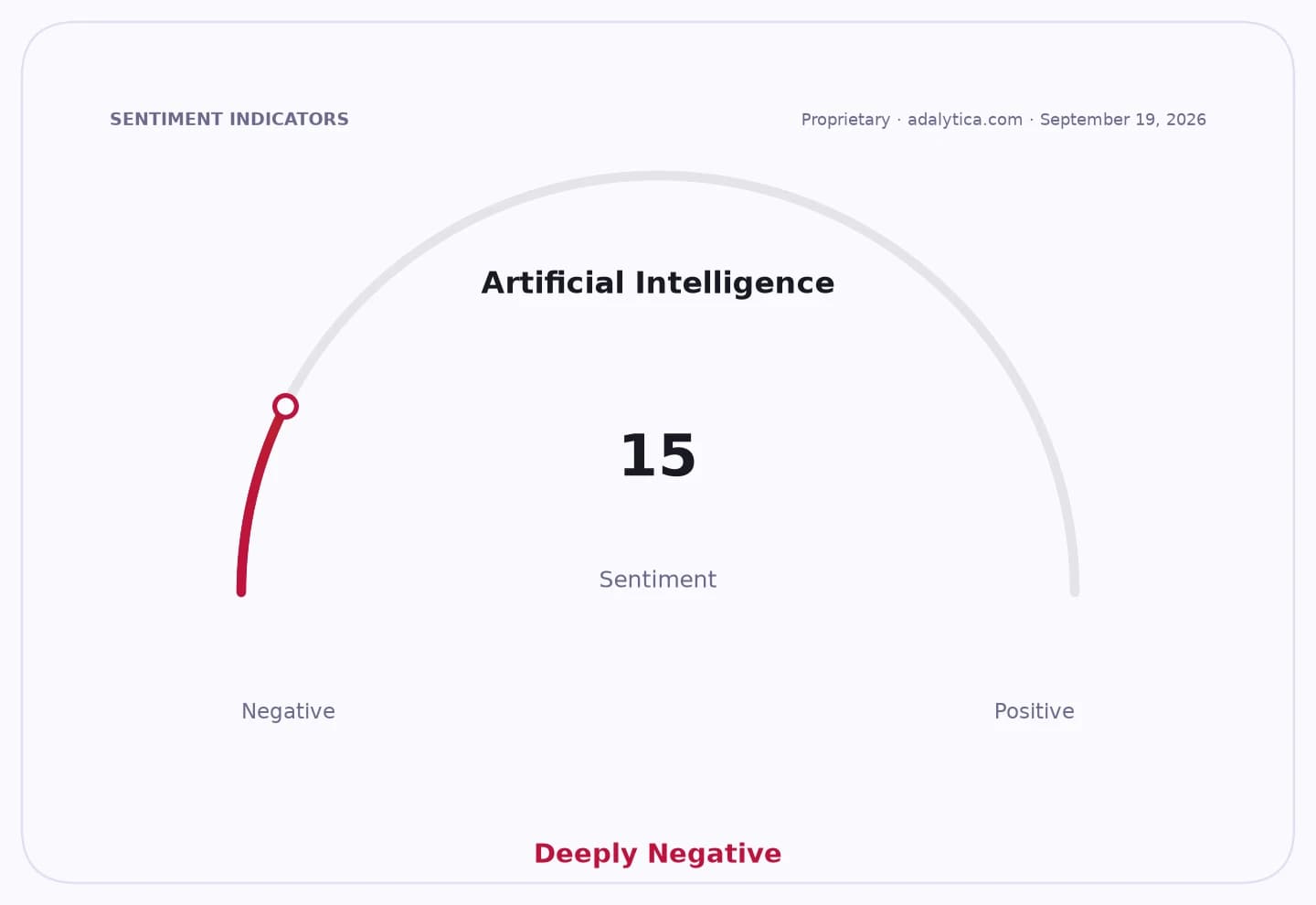
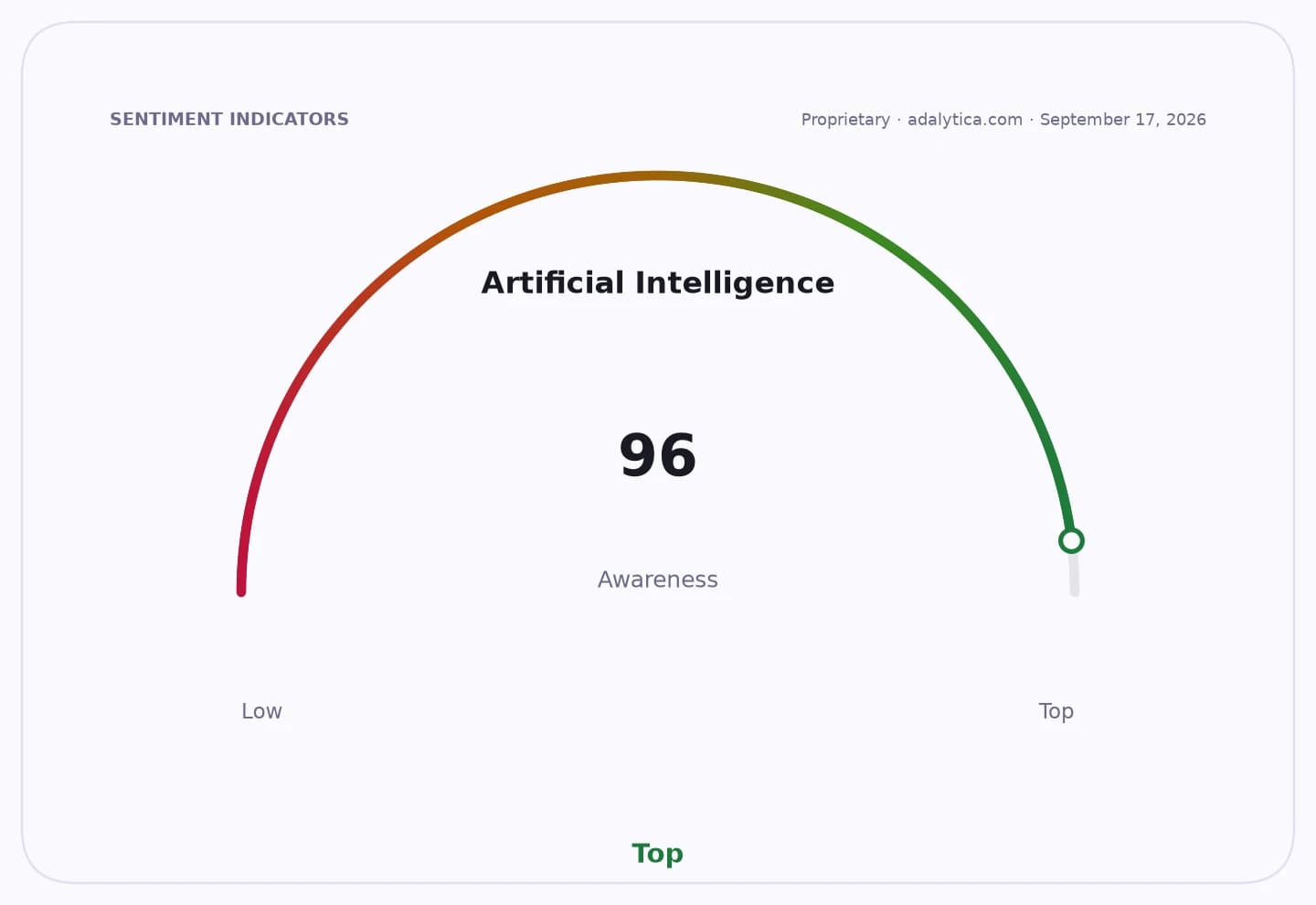
Sentiment IndicatorsⓘProprietary · adalytica.com · September 13, 2026
This is a snapshot — live sentiment, awareness and momentum for 130+ markets update continuously in the dashboard.Open AlphaPulse
The second cohort is the first to include a formal AI component, with Microsoft helping shape the curriculum through the MTN Foundation. That puts the graduating teachers among the first public school educators in Nigeria to receive structured training on responsible AI-assisted teaching, as schools across emerging markets grapple with how to use generative tools without widening gaps in digital access.
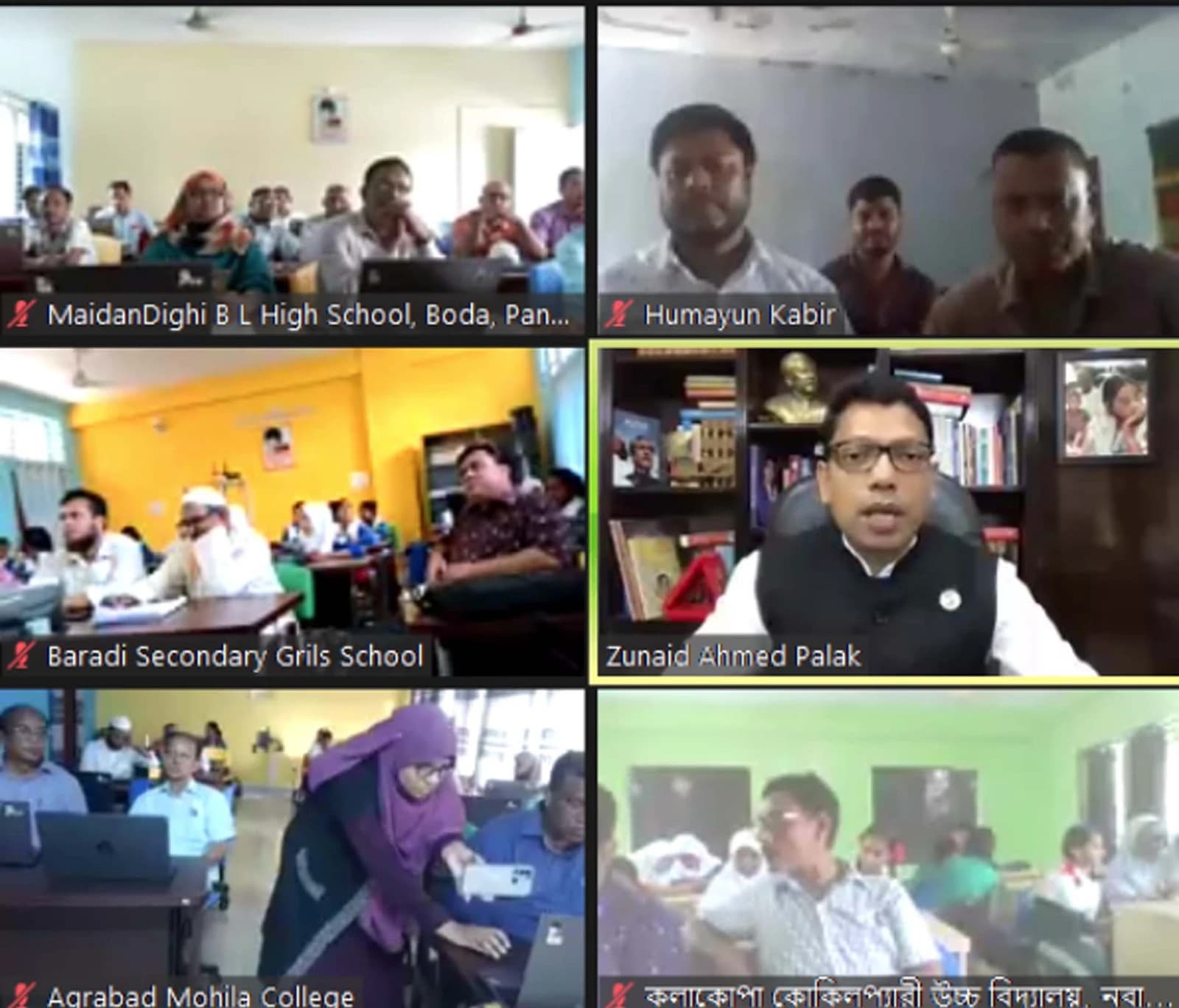
The fellowship, launched in 2022, has now trained more than 10,000 public school teachers across all 36 states and the Federal Capital Territory. Of the latest cohort, 500 participants graduated in Lagos on Thursday, while the rest joined virtually from around the country, underscoring the scale of the rollout and the need to reach teachers beyond major cities.
For investors and corporate watchers, the story is less about direct revenue and more about how telecoms, cloud and software firms are positioning themselves inside Africa’s next digital adoption cycle. MTN, Microsoft and related education-tech providers gain visibility and local relevance if AI tools become part of everyday learning, while governments and schools get a template for skills transfer that can support broader digital literacy and future workforce readiness.
The initiative also strengthens MTN’s social-investment profile in a market where network operators face pressure to show impact beyond connectivity. With a permanent alumni network, a reconnection campaign and a new innovation lab and sport centre under construction in Lagos, the foundation is signaling that the program is meant to persist and expand rather than remain a one-off training exercise.
The next test is execution in classrooms: whether the teachers actually adopt the methods, share them with peers and translate the training into better outcomes for pupils. Any expansion of the fellowship, deeper Microsoft involvement or follow-on education partnerships will be watched as part of a wider race to define how AI enters African public education.
| Entity | Gains | Losses |
|---|---|---|
| MTN Foundation | ▲Education impact profile | ▼Pure connectivity narrative |
| SAIL Empowerment Foundation | ▲Alumni reach and scale | ▼One-off fellowship optics |
| Microsoft | ▲Local AI curriculum presence | ▼Low adoption of AI tools |
| Nigerian public school teachers | ▲New skills and tools | ▼Training gaps in underserved areas |