Nigeria’s push to turn its 2025 National AI Strategy into measurable progress is running into a basic problem: policymakers still lack a clear baseline for computing power, reliable electricity and usable talent, according to AI infrastructure expert Oluwaseyi Ayodeji.
Nigeria AI Strategy Needs Power and Compute Baseline
That matters because AI policy is increasingly becoming an infrastructure story, not just a technology slogan. Without hard numbers on what exists, what is operational and who can access it, Nigeria risks overestimating its readiness and underinvesting in the bottlenecks that determine whether AI can scale across the economy.
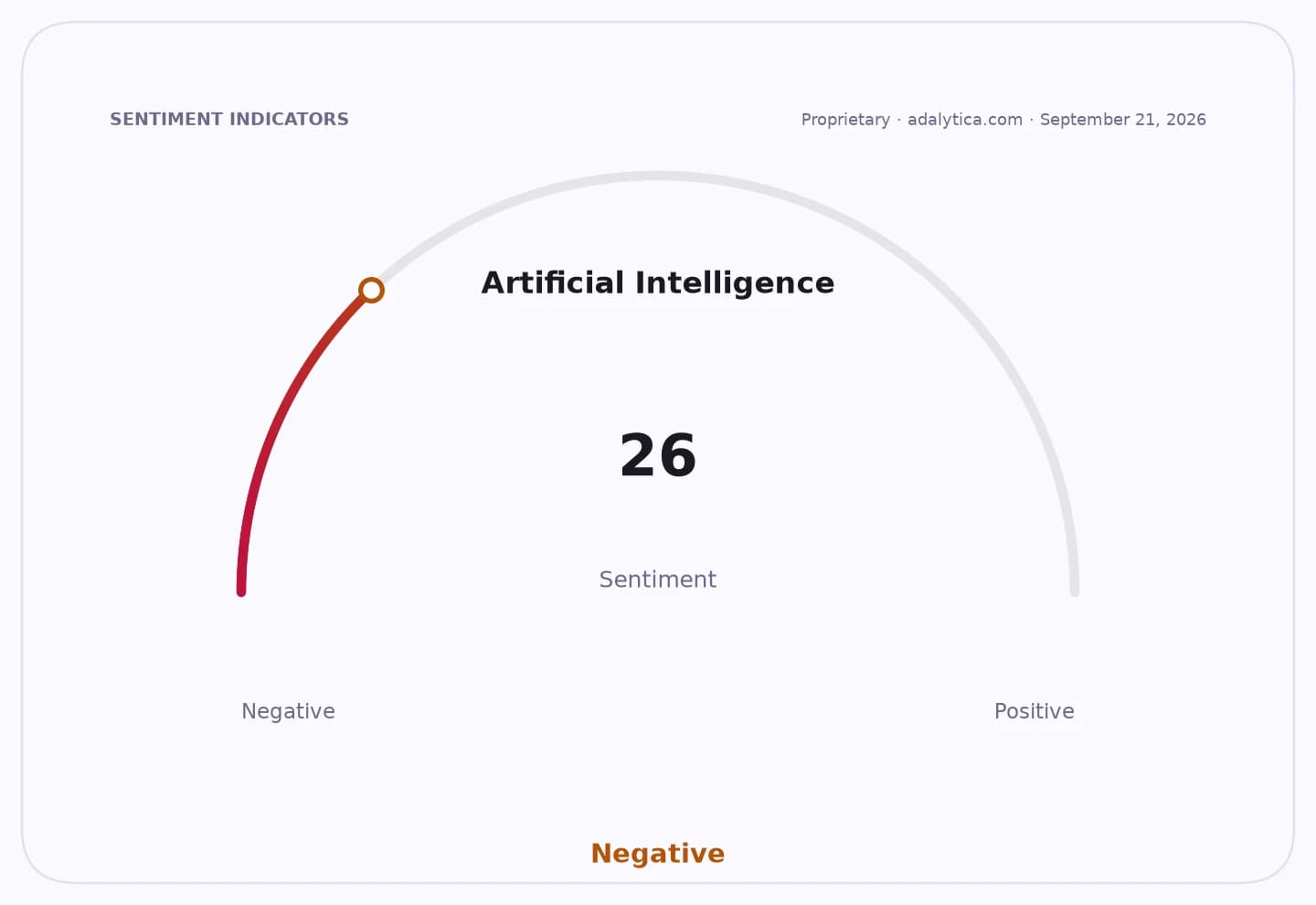
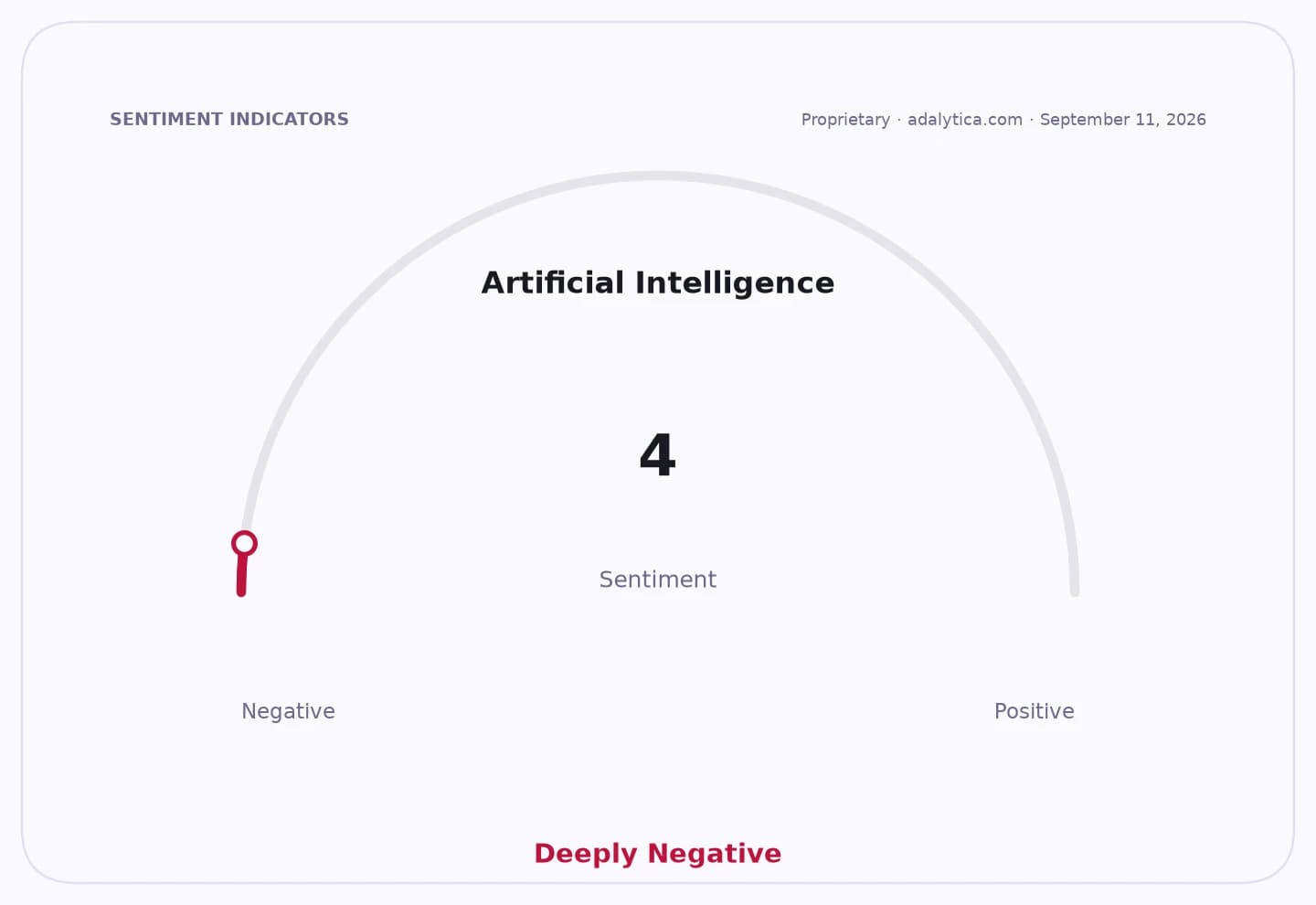
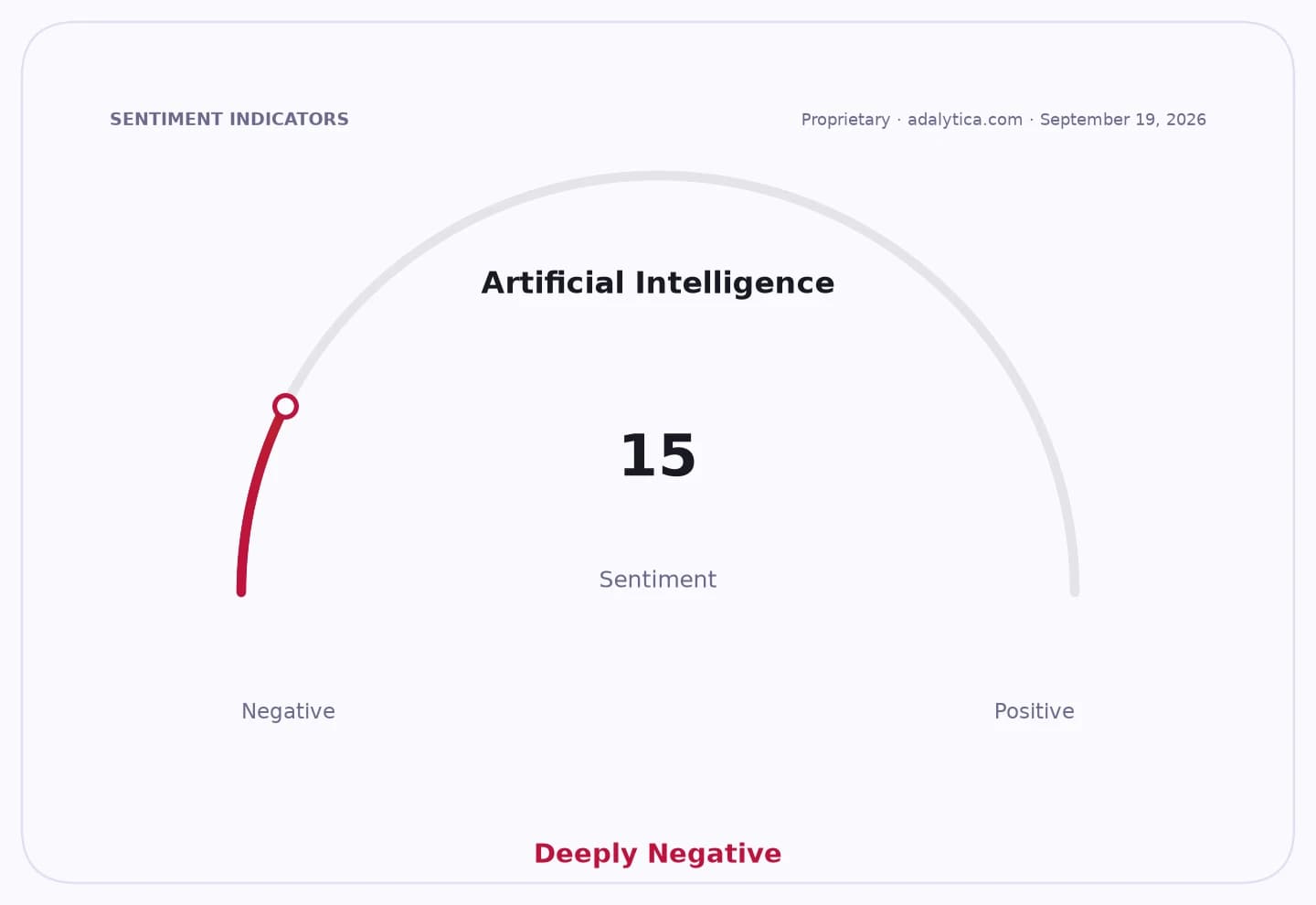
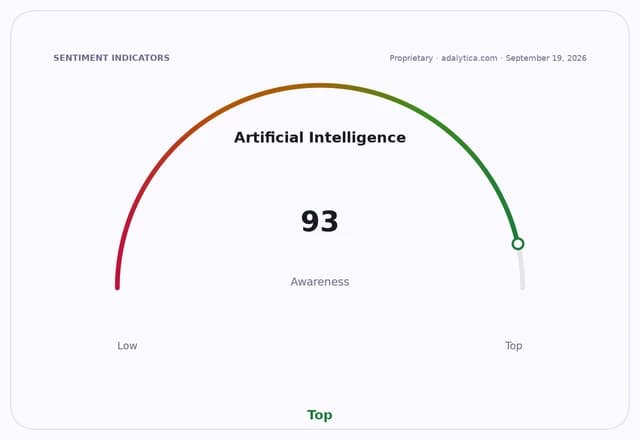
Sentiment IndicatorsⓘProprietary · adalytica.com · September 19, 2026
This is a snapshot — live sentiment, awareness and momentum for 130+ markets update continuously in the dashboard.Open AlphaPulse
Ayodeji, founder of the Regal Stack think tank, said the country needs a national measurement framework that tracks accelerator capacity, GPU availability, data-centre infrastructure, dependable power, connectivity, startup access and sector-wide adoption. He argued that broad targets are no longer enough now that the strategy and the National Digital Cloud Policy are in place.
The call lands as Nigeria’s electricity system shows the scale of the challenge. Data from the Nigerian Electricity Regulatory Commission cited by Ayodeji showed 13,625 megawatts of installed grid-connected generation capacity in April 2026, versus average available capacity of about 4,286MW. For AI workloads, that gap is critical: installed capacity does not automatically translate into power that is reliable enough for data centres, cloud services and model training.

For investors, the issue is whether Nigeria can convert policy ambition into investable infrastructure. AI deployment depends on power, fibre, compute and physical facilities, all of which require capital and predictable regulation. A clearer dashboard would help identify where money is actually needed, where assets are underused and whether startups and researchers can realistically access compute at commercially viable terms.
Ayodeji also warned that Nigeria’s talent pipeline needs finer definitions. He said training programmes such as the government’s 3 Million Technical Talent initiative are broadening digital skills, but the country should not count software engineers, cloud trainees and machine-learning researchers as the same category of AI talent. He said the economy will also need technicians, electrical and mechanical engineers, fibre specialists, commissioning staff and construction workers to build and maintain the infrastructure behind AI.
That framing ties Nigeria’s AI strategy to labor-market planning and industrial policy. If the country measures only headcount trained, it could miss shortages in the exact roles that determine whether AI facilities can be built and operated at scale.
The next step, Ayodeji said, should be a national AI dashboard with precise key performance indicators that give policymakers and investors a shared view of progress. The test now is whether Nigeria moves from strategy documents to measurable execution, with power, compute and skills data guiding where scarce capital goes next.
| Entity | Gains | Losses |
|---|---|---|
| Nigerian government | ▲Clearer AI rollout metrics | ▼Vague policy targets |
| AI investors | ▲Better visibility on bottlenecks | ▼Mispriced infrastructure risk |
| Nigerian startups | ▲Potentially more compute access | ▼Scarcity of reliable power |
| Training providers | ▲Clearer skills demand map | ▼Broad, undifferentiated talent metrics |