Ghana’s inflation ticked back up to 5.2% in September, reminding investors that the disinflation story is not yet secure because services, housing and other domestic costs are still running hot.
Ghana inflation rises to 5.2% in September
The increase from 5.0% in August is modest, but it matters because it breaks a recent downward trend and shows the inflation fight is shifting from imported price shocks to stickier homegrown pressures. That is the harder kind to defeat. Imported items were up just 2.4% while locally produced goods rose 6.4%, and the statistical service said domestic items accounted for 85.7% of total inflation. For policymakers, that means tighter fiscal discipline and credible monetary policy still matter. For markets, it means the path to lower borrowing costs, stronger real incomes and cleaner macro stability is not a straight line.
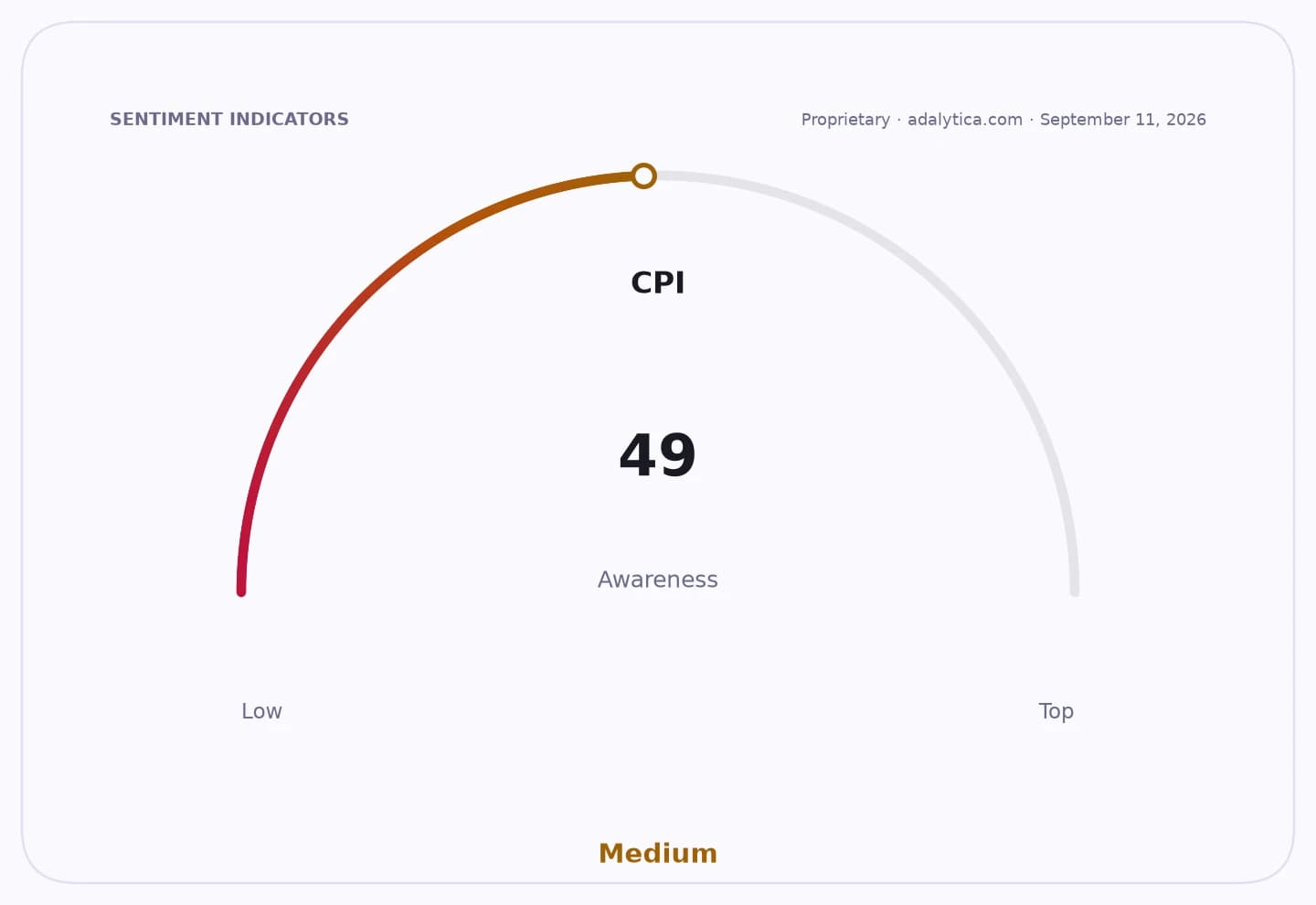
Sentiment IndicatorsⓘProprietary · adalytica.com · October 8, 2026
This is a snapshot — live sentiment, awareness and momentum for 130+ markets update continuously in the dashboard.Open AlphaPulse
The services sector is the key warning sign. Services inflation was 8.3%, almost double the 4.2% rate for goods, with housing, water and energy up 10.3% and restaurants and hotels rising 9.2%. That is the kind of inflation that feeds through wages, rents and consumer behavior, making it harder for the central bank to declare victory. Month-on-month inflation of 1.1% also shows price momentum remains alive even after the annual rate fell sharply from 9.4% a year earlier.
This is why the latest print matters beyond the headline number. Ghana has made progress on inflation, but the composition of the data argues for caution. Food inflation was a relatively contained 4.0%, while non-food items drove most of the pressure at 6.2%. That mix suggests policymakers may not get the easy disinflation boost from better harvests alone. They need broad-based restraint in services and other domestic categories if they want to lock in lower inflation and avoid a rebound in expectations.
For investors, the macro implication is straightforward: Ghana assets can still work, but they will be priced on whether the services inflation stickiness fades. If it does, local rates can eventually come down, supporting duration, banks, consumer names and any recovery in domestic demand. If it does not, the market will keep demanding a risk premium for cedi assets and for companies exposed to wage and input-cost pressure.
That keeps this as a tradeable macro setup rather than a clean victory lap. The inflation trend is better than a year ago, but the September uptick is a warning that the final mile will be the most expensive one. The next catalyst is whether easing price pressure in food and imports can finally overwhelm the stubborn services component. Until then, investors should favor balance sheets and businesses that can pass through costs, while staying selective on rate-sensitive domestic plays.
| Entity | Gains | Losses |
|---|---|---|
| Ghana policymakers | ▲room to prove credibility | ▼pressure to keep tightening |
| Local borrowers | ▲eventual rate-cut upside | ▼higher-for-longer funding costs |
| Banks | ▲better loan pricing in the near term | ▼credit risk if inflation persists |
| Consumers | ▲relief if inflation keeps falling | ▼erosion in real incomes |