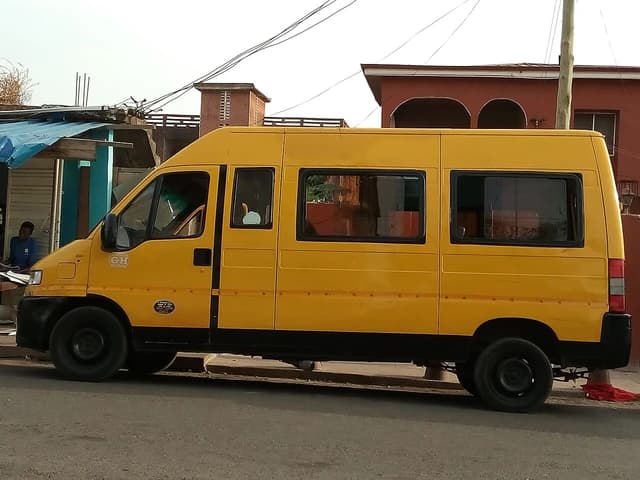
Ghana’s main road transport union says it still wants a 30% fare increase, raising the odds that commuters will soon pay more as fuel costs climb and talks with the transport ministry continue.
Ghana transport union keeps 30% fare hike demand

The Ghana Private Road Transport Union said it is waiting for a committee reviewing transport cost inputs before making a final call, but deputy spokesman Samuel Amoah said the union has not moved off its 30% proposal. He said the two sides agreed at a meeting on Tuesday to let the committee assess the key cost pressures and submit a report before the end of the week.
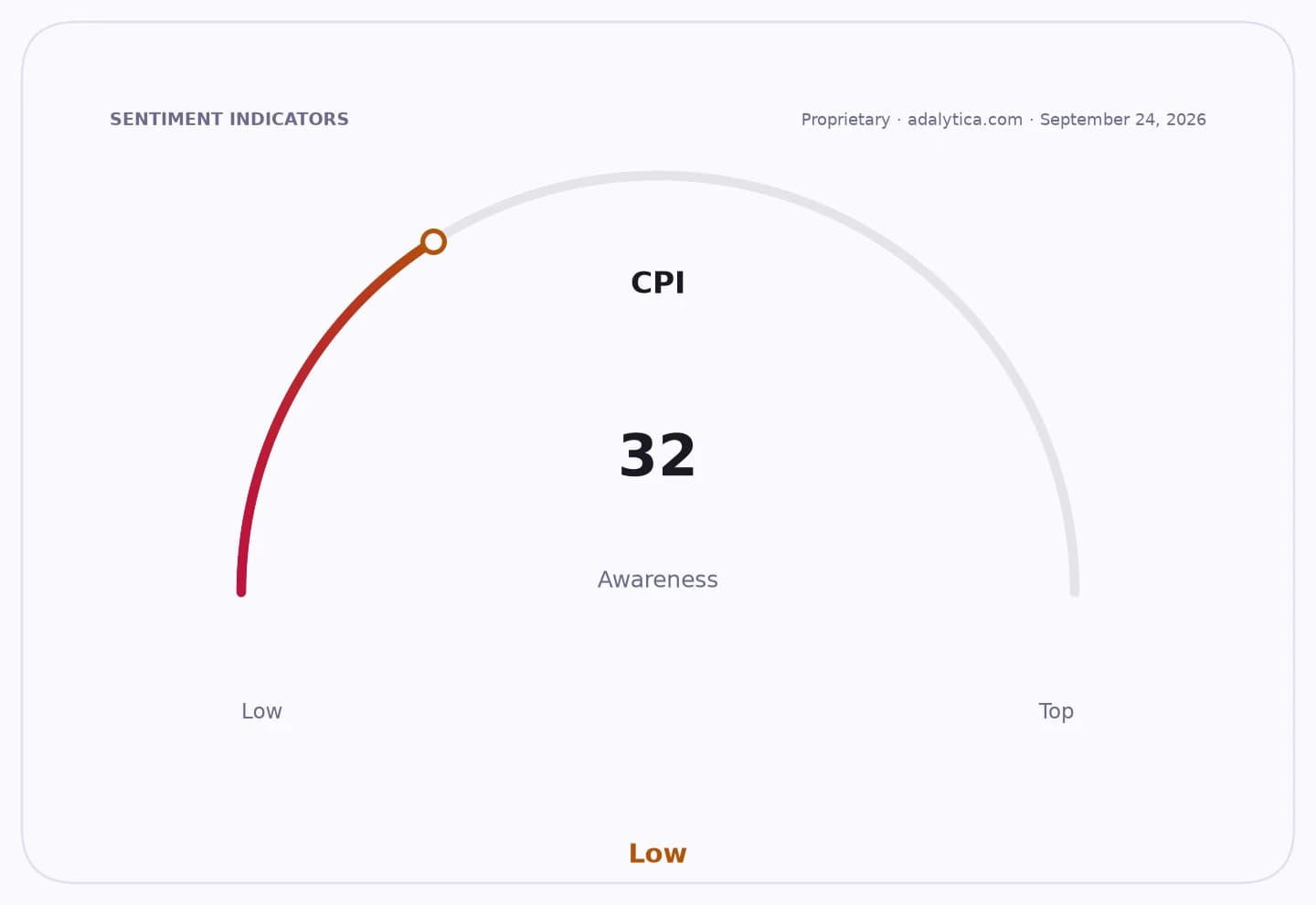
Sentiment IndicatorsⓘProprietary · adalytica.com · September 16, 2026
This is a snapshot — live sentiment, awareness and momentum for 130+ markets update continuously in the dashboard.Open AlphaPulse
The timing matters because fuel is heading higher again. The Chamber of Oil Marketing Companies expects petrol prices to rise about 9.63%, diesel 6.97% and liquefied petroleum gas 3.22% in the latest pricing window, with projected cash-purchase ex-pump prices of GH¢17.23 a litre for petrol and GH¢18.35 for diesel.
For households and businesses, any approved fare adjustment would hit transport costs directly and could feed through to broader inflation, especially in a country where commuting costs are a sensitive part of monthly spending. Transport fares also affect food distribution, urban mobility and the cost base for small firms that rely on road freight and passenger movement.

Investors are watching the same pressure points because persistent fuel inflation and higher transport charges can complicate the outlook for consumer demand, margins and pricing across the economy. In Ghana, fare changes often act as a visible signal of cost stress, and they can influence expectations for inflation-linked assets, retail spending and policy responses.
The union has not set a final increase, and Amoah said the committee’s report will determine the eventual percentage. But with fuel prices forecast to rise and the union already flagging a high likelihood of a fare hike, the next catalyst is the committee’s recommendation and any government response that follows.
| Entity | Gains | Losses |
|---|---|---|
| GPRTU operators | ▲Higher fare revenue | ▼Delayed pricing certainty |
| Commuters | ▲None | ▼Higher travel costs |
| Fuel suppliers | ▲Higher pump prices | ▼Transport users’ purchasing power |
| Government/transport ministry | ▲More room to review inputs | ▼Inflationary pressure and public backlash |