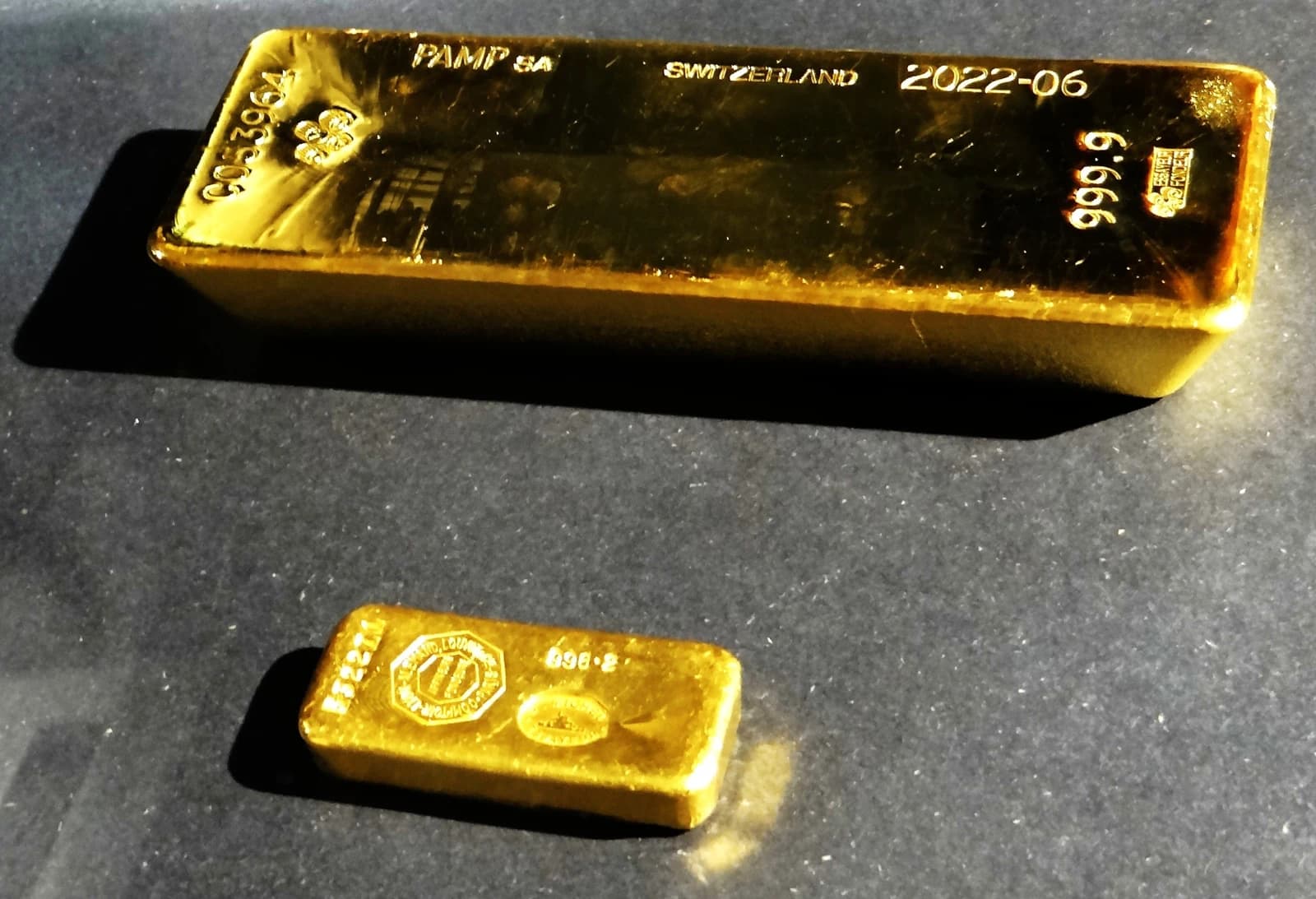
Gold isn’t just priced by the spot market. For investors buying bullion, the real cost of ownership also includes manufacturing charges, dealer premiums, taxes and, in many cases, a hit when it’s time to sell back.
Gold bullion costs rise with premiums and fees

That matters because bullion is often bought as a store of value, not a trading vehicle. If you pay too much above the metal’s intrinsic worth, your breakeven point rises and your long-term return shrinks — even if gold itself keeps its allure as a hedge against inflation, currency weakness and geopolitical stress.
Sentiment Indicators
The key takeaway is simple: the “manufacturability” of a gold bar is not a fixed number. It depends on how the bar is produced, who makes it, how it is packaged and certified, and how the seller structures the bill. A dealer may charge a flat fee per bar, a fee per gram, a percentage of the metal’s value or a markup over the live spot price. The final quote can bundle in quality control, stamping, packaging, documentation, dealer margin and, where applicable, value-added tax.
Smaller bars usually cost more per gram to make because fixed expenses such as sealing, packaging and handling are spread over less metal. That is one reason a 1-gram bar can carry a much higher per-gram manufacturing charge than a 10-gram or 100-gram bar, even when the gold content is identical. In practice, that makes larger bars more efficient for investors who want exposure to bullion with lower friction costs.
Market conditions can still amplify those costs. Gold prices have been volatile, with December futures around $3,886 an ounce on the latest reading after swinging sharply earlier this year, while the SPDR Gold Shares ETF has also cooled from its highs. Adalytica’s Gold Fear & Greed Index sits at 47, a neutral reading, after easing 46 points over the past 30 days, suggesting traders are less euphoric than they were during the run-up. At the same time, the U.S. dollar is showing strong “greed” sentiment on Adalytica’s signals, which can weigh on bullion demand by making gold more expensive for non-dollar buyers.
The broader macro backdrop still supports gold’s long-standing role in diversified portfolios. The 10-year Treasury yield has climbed to about 5.1%, inflation remains sticky, and the U.S. CPI series is still running far above pre-pandemic norms. That combination keeps real yields and currency expectations in focus, both of which feed into bullion pricing. But for the investor, the lesson is not simply whether gold goes up or down. It is whether the total cost of buying and reselling the bar leaves enough room for the metal’s defensive qualities to work.
That is why comparing bars only by headline price is a mistake. Investors should compare the same weight, the same purity, the same manufacturer and the same buyback terms, then ask for a written breakdown of metal value, fabrication charge, premium and taxes. The better choice is often not the cheapest sticker price, but the bar with the lowest all-in cost and the easiest resale path. For long-term investors, that discipline matters as much as the gold itself.
| Entity | Gains | Losses |
|---|---|---|
| Buyers of larger bullion bars | ▲Lower fabrication cost per gram | ▼Less flexibility to sell in small chunks |
| Buyers of small bullion bars | ▲Smaller initial outlay | ▼Higher cost per gram |
| Dealers and refiners | ▲Higher margins on premiums and fees | ▼Pressure when buyers compare all-in costs |
| Long-term gold investors | ▲Better pricing discipline and buyback clarity | ▼Overpaying for fabrication and taxes |