Gold prices in Kathmandu rebounded on Friday, rising Rs 1,700 per tola to Rs 290,100, a reminder that Nepal’s bullion market is still being pulled by the same global forces that keep investors reaching for hard assets: dollar swings, U.S. rate expectations and lingering demand for safety.
Gold Prices Rise in Kathmandu to Rs 290,100
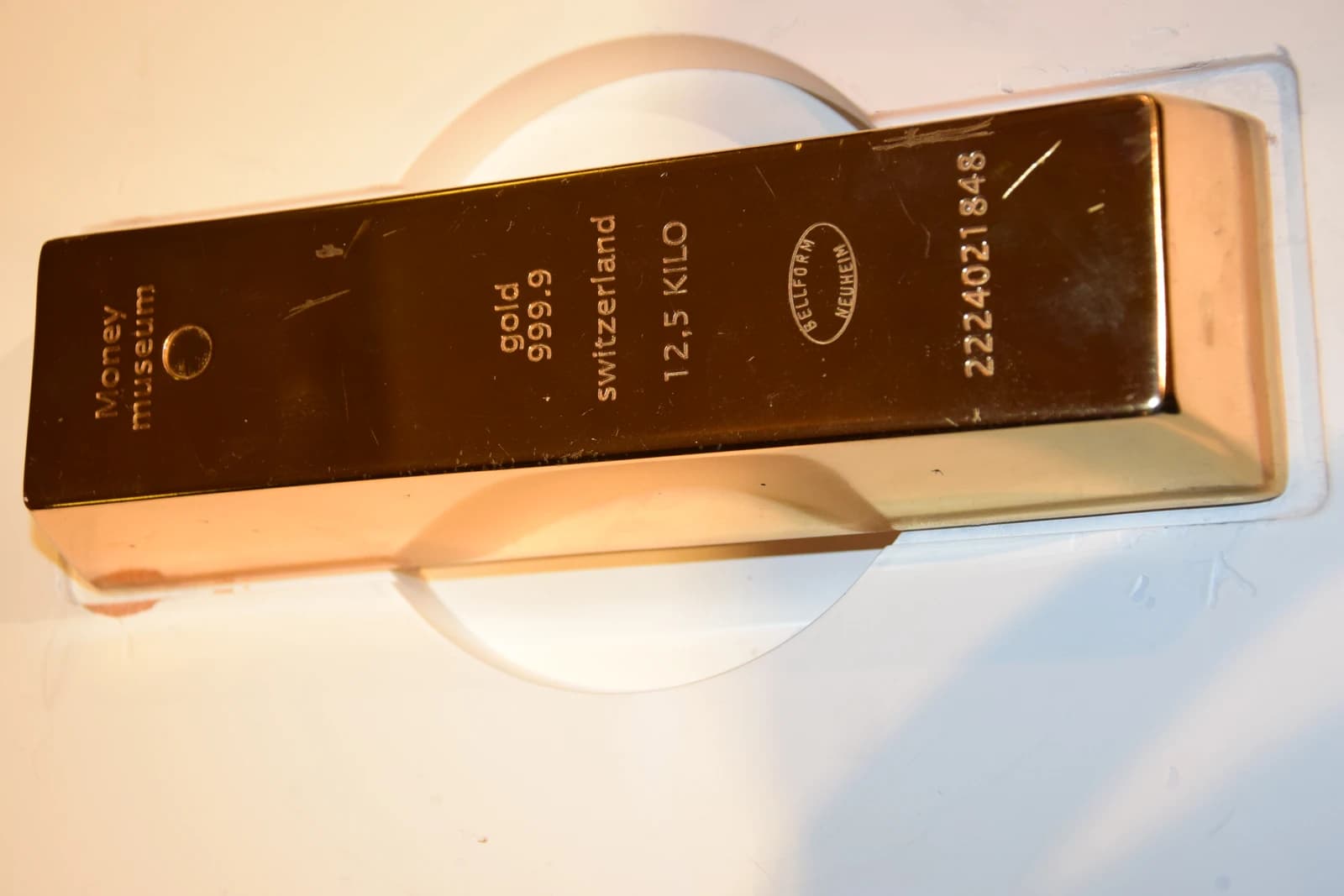
The move comes after four straight sessions of declines, with the local price sliding from Rs 296,500 per tola on Sunday before stabilizing. Silver also firmed, adding Rs 115 to Rs 4,150 per tola. In a small market like Nepal’s, those daily moves matter because imported precious metals are priced off international benchmarks and the exchange rate, making gold a direct read-through on global liquidity conditions and currency pressure.
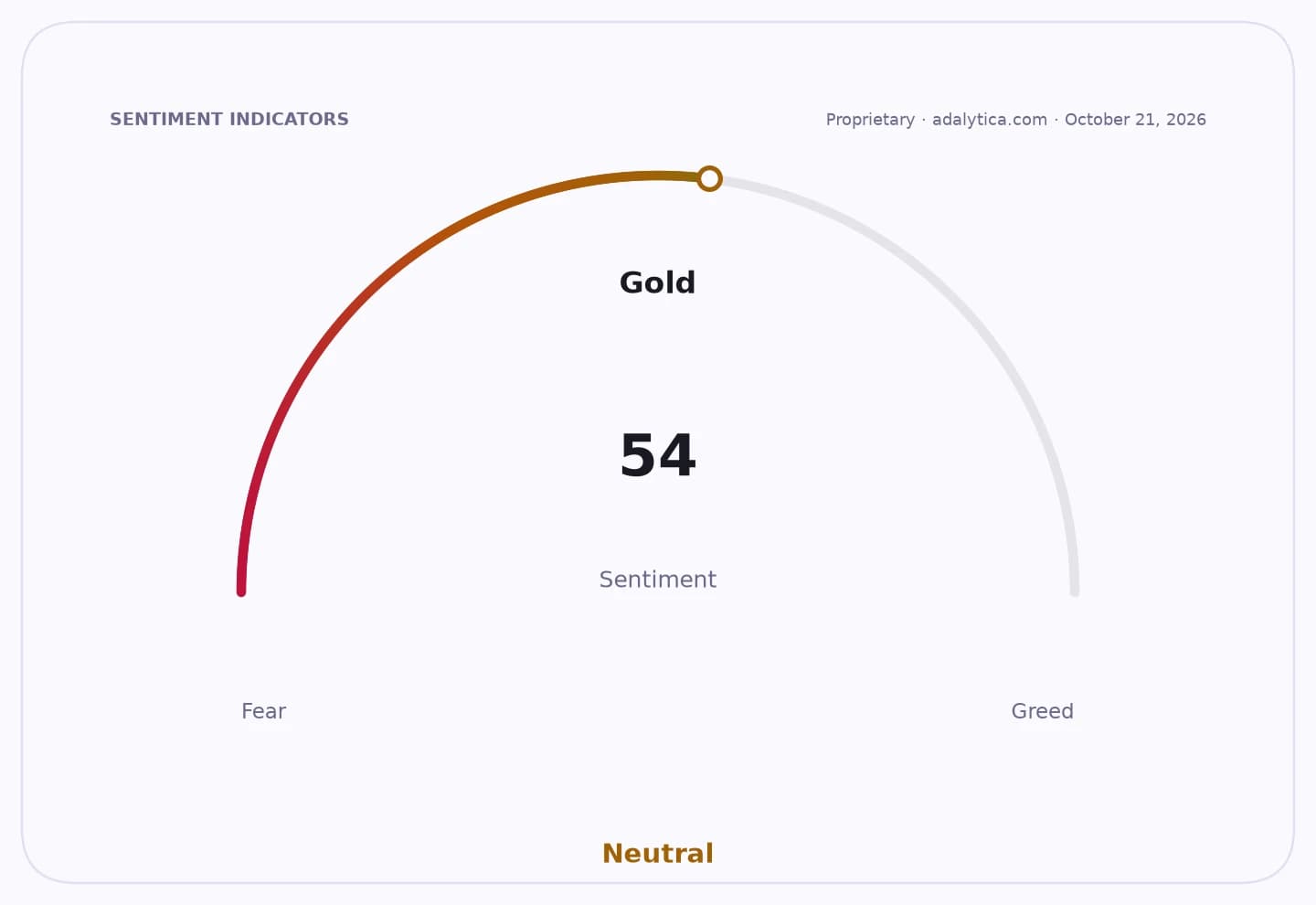
Sentiment IndicatorsⓘProprietary · adalytica.com · October 18, 2026
This is a snapshot — live sentiment, awareness and momentum for 130+ markets update continuously in the dashboard.Open AlphaPulse

That matters economically because gold is not just jewelry or a consumer good in South Asia — it is a store of value, a hedge and a signal. When local prices jump even after a short pullback, it tells you buyers are still willing to pay up for protection. For households, that can distort savings behavior and buying decisions. For traders, it reinforces that Nepal’s bullion market remains highly sensitive to global macro shocks rather than purely domestic supply-demand dynamics.
The broader investment narrative is unchanged: gold remains one of the cleanest ways to express distrust in paper assets, especially when real yields, inflation expectations and dollar positioning are in flux. Technical indicators on the gold ETF GLD show the metal rebounding from oversold territory, with its relative strength index recovering to 54.5 after dipping as low as 35.9 two days earlier. At the same time, Adalytica’s Gold Fear & Greed Index shows awareness still in “extreme fear” territory, even as sentiment has normalized, a combination that often precedes violent price swings rather than complacent trading.
For investors, that makes the current setup interesting. The market may be underestimating how quickly bullion can reprice when the dollar weakens or Federal Reserve expectations shift again. Gold miners, bullion ETFs and companies leveraged to precious-metal pricing remain the higher-beta way to play that trend, while jewelry demand and margin-sensitive importers face the opposite pressure if Kathmandu prices keep climbing.
The key takeaway is simple: Friday’s Rs 1,700 jump is not just a local pricing update. It is another sign that gold is still acting as a macro hedge, and that any renewed move in the dollar or U.S. policy expectations could send prices higher again — in Kathmandu and globally.
| Entity | Gains | Losses |
|---|---|---|
| Gold holders | ▲Higher asset value | ▼None |
| Kathmandu jewelers/importers | ▲Possible stock gains | ▼Higher replacement costs |
| Gold buyers | ▲Store of value | ▼Higher purchase cost |
| Silver traders | ▲Modest upside | ▼Limited margin relief |