Artificial intelligence spending is still rising sharply, but Goldman Sachs says the pace of that expansion is set to crest in early 2027 — a turning point that matters more for equity markets than for the broader economy because so much of the AI boom has already been priced into stocks.
Goldman Sees AI Spending Peak in Early 2027

The bank’s core point is not that AI capex is ending. It is that the growth rate is maturing. Goldman estimates annualized US spending on AI hardware and intellectual property could reach $1.4 trillion by the end of 2027, from more than $900 billion at the end of 2026, equal to almost 4% of US GDP. Yet the incremental boost to the economy would still be modest, especially after imports are stripped out. Goldman said AI would add just 0.2 percentage point to US growth in 2027 excluding semiconductors, or 0.6 point including them.
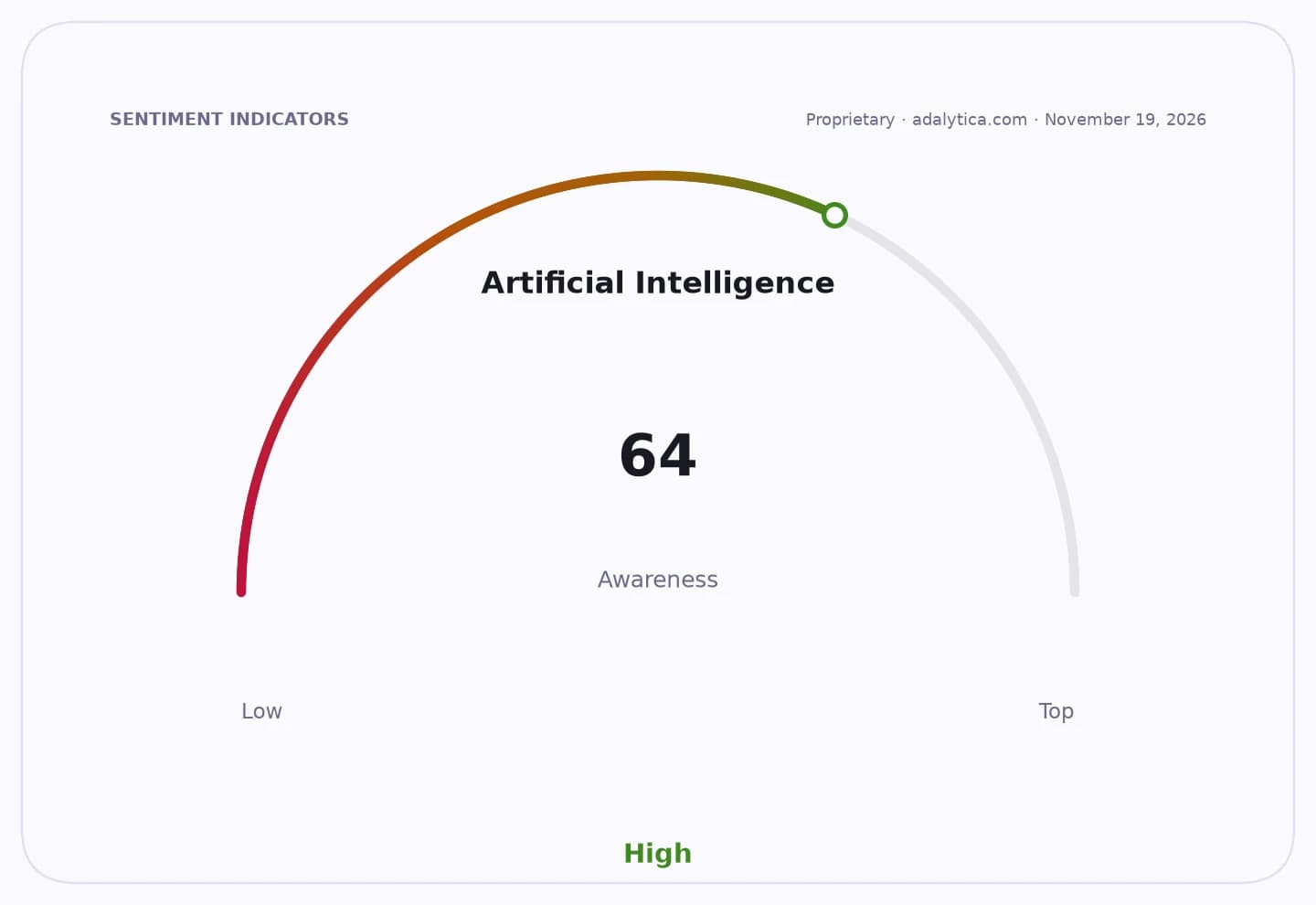
Sentiment Indicators
That asymmetry helps explain why the investment cycle looks more consequential for markets than for output. AI has been a major driver of equity returns, particularly in mega-cap technology names tied to infrastructure spending, cloud capacity and advanced chips. Goldman’s Kamakshya Trivedi argues that once the acceleration in investment peaks, the market loses one of its most reliable sources of positive surprise even if spending remains elevated.
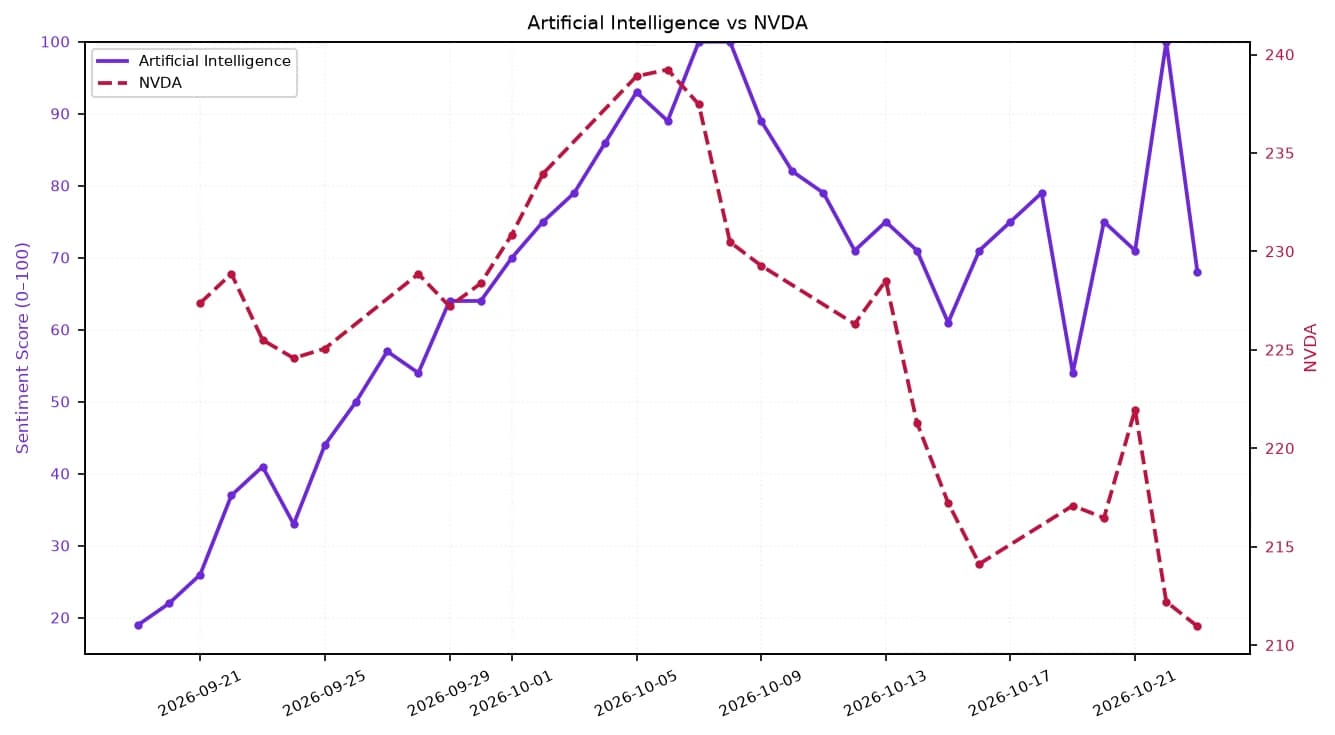
For investors, that makes the handoff from infrastructure winners to the rest of the market the key risk. Nvidia, Microsoft and Taiwan Semiconductor have all been central beneficiaries of the buildout, and their recent share-price volatility shows how quickly sentiment can shift when investors begin to question the durability of the spending run. Nvidia’s shares have fallen more than 16% over the latest three sessions in the data provided, with the stock sitting well below its 50-day moving average and the relative strength index deep in oversold territory. Microsoft has also slipped back toward its 50-day line. TSMC, meanwhile, has lost ground after a strong midyear run.
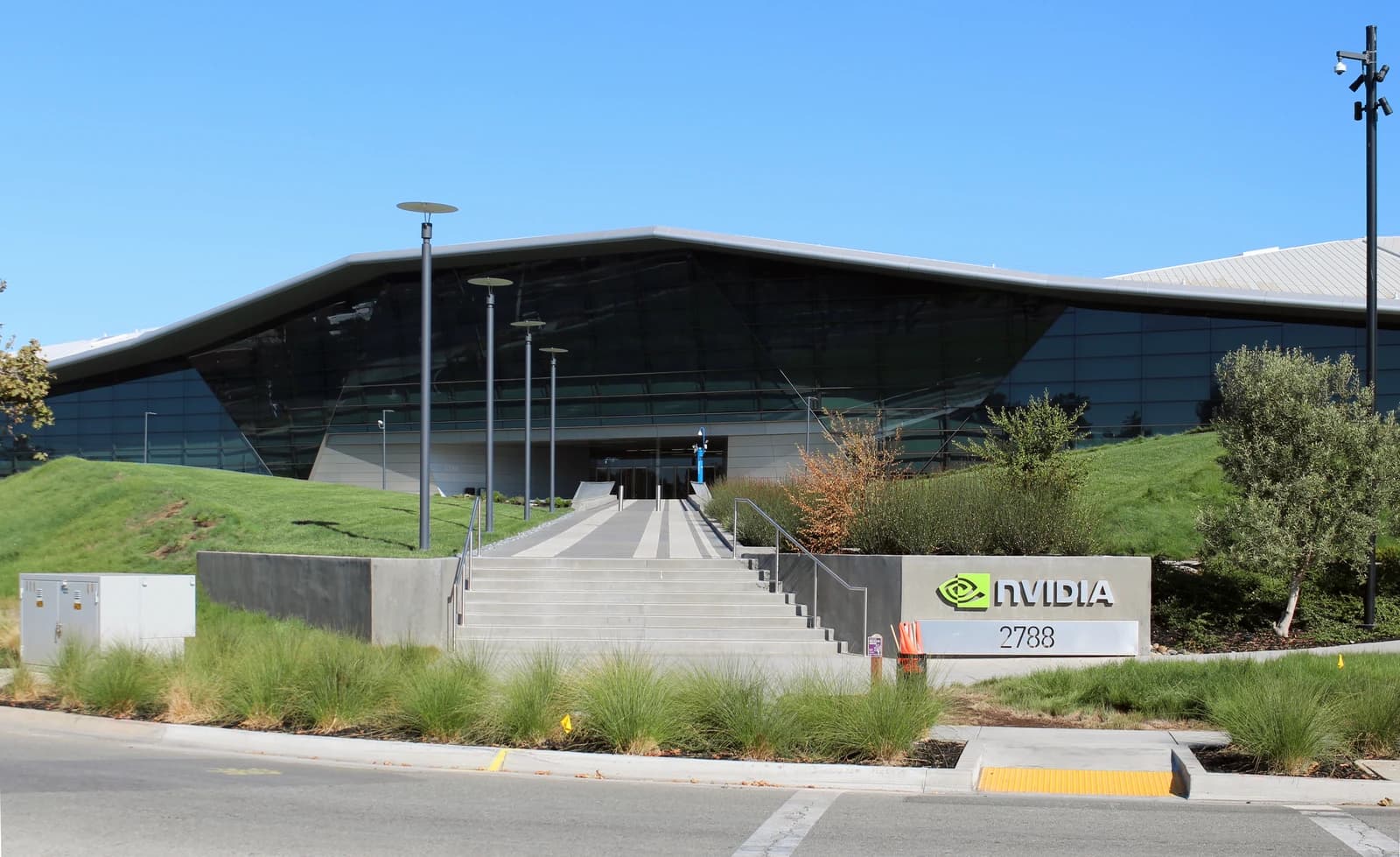
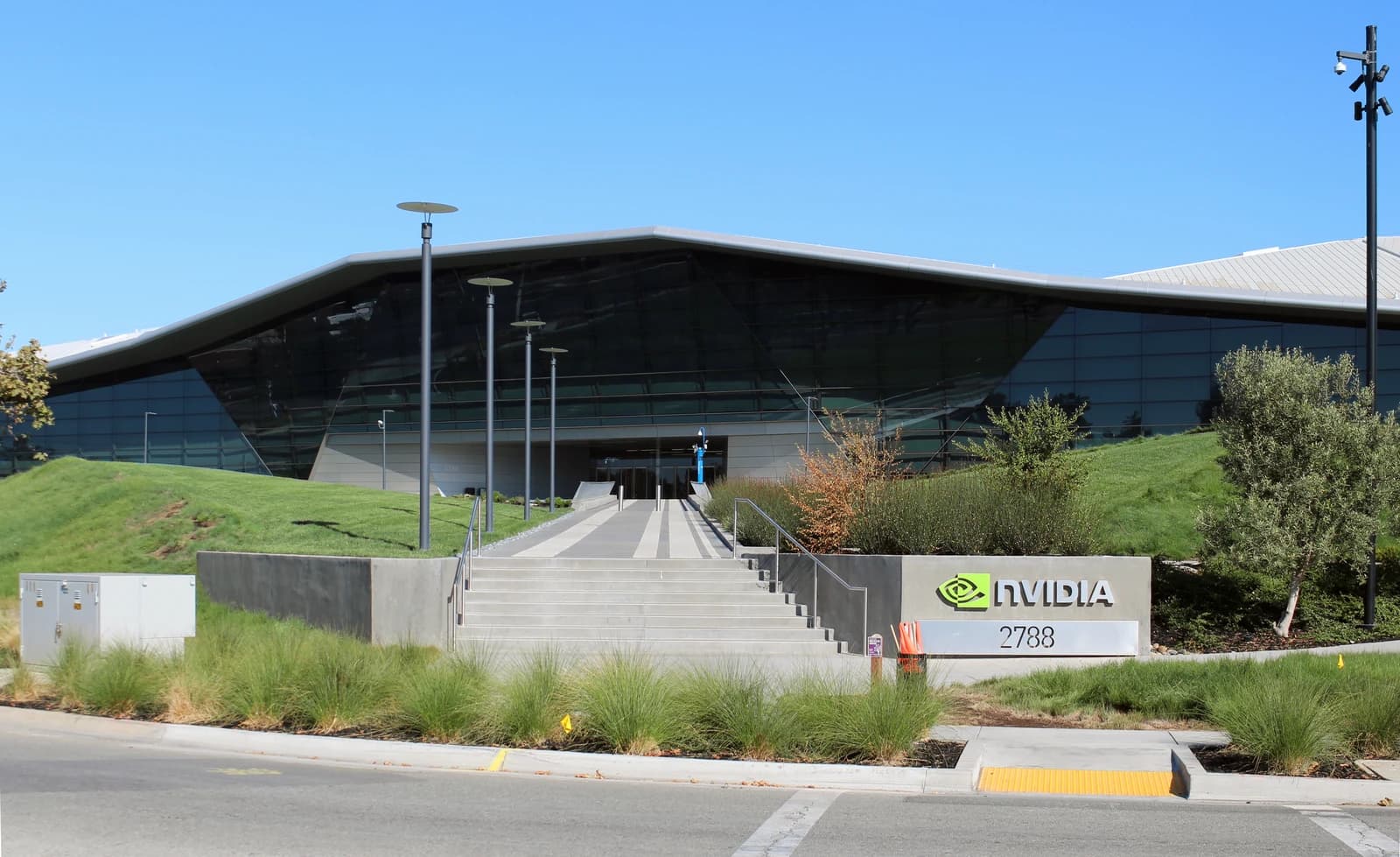
Nvidia Corp
Goldman is not calling time on stocks altogether. The bank still sees the S&P 500 reaching 8,700 over 12 months, helped by more attractive valuations after a recent selloff. But that bullish index call rests on a delicate assumption: that earnings growth broadens just as the AI infrastructure trade starts to cool. Goldman expects US profit growth to slow sharply in 2027, to 11% from 36%, potentially as hyperscalers moderate capital spending.
That shift also carries implications for credit. Goldman said the record pace of bond and equity issuance tied to AI investment has so far been absorbed, but corporate bond spreads are likely to drift wider and financing conditions could become more restrictive. In other words, the market can fund a giant capex cycle, but it may demand a higher risk premium as the cycle matures.
The broader macro backdrop is less alarming than the market one. AI-linked investment is still large enough to support capital spending, semiconductor demand and selected industrial supply chains, but it is not large enough to drive a broad-based US growth boom on its own. That leaves the equity market exposed if investors have to rotate from a narrow group of AI beneficiaries into lagging sectors before earnings momentum has clearly broadened.
The next test will be the hyperscalers’ 2027 capital-spending plans. If those budgets show a meaningful slowdown, Goldman’s thesis that the AI investment impulse peaks in early 2027 will quickly move from forecast to fact — and investors will have to decide whether the next phase of the AI trade is a broader market rally or a narrowing of returns.
| Entity | Gains | Losses |
|---|---|---|
| Nvidia and AI chipmakers | ▲Still benefit from capex | ▼Face valuation compression |
| Microsoft and hyperscalers | ▲Gain from infrastructure demand | ▼Must justify slower earnings growth |
| Credit investors | ▲Higher issuance opportunities | ▼Wider spreads and more risk |
| Broader stock market | ▲Potential rotation into laggards | ▼Less support from AI leaders |