Gold’s surge above $4,000 an ounce is sharpening the economics of selling old jewelry, and that is turning a sleepy corner of the precious-metals market into a contest over transparency, fees and trust.
GoldVara Says Sellers Keep More of Gold Value
Gold
For consumers, the key question is no longer whether gold is worth more than it was a year ago, but how much of that higher melt value they actually keep after commissions, “appraisal” markups and negotiation. Steven Madar, whose GoldVara publishes what it pays, argues the spread can be material: his company says customers keep 80% to 90% of melt value on gold jewelry and as much as 98% on coins and bullion, while local jewelry stores and pawn shops may pay anywhere from 30% to 70%, depending on the transaction. In a market where gold has become expensive enough to prompt more households to cash in drawers, that difference can mean hundreds or thousands of dollars on a single lot.
Sentiment Indicators
The pitch from GoldVara also highlights a broader shift in consumer behavior. Buying apps and mail-in buyers have pushed the gold-buying business toward digital convenience, but the trade-off is often opacity. Madar says app-based buyers may charge fees of up to 20% off the quoted amount, while some mail-in firms provide only a lump-sum offer with no clear breakdown of karat, weight or stone value. By contrast, GoldVara says it photographs items on the scale, itemizes each offer and lets customers accept or reject the bid before anything is finalized. That model is designed to appeal to sellers who want the convenience of remote service without giving up price visibility.
The economics matter because the gold price is doing much of the marketing work for the industry. When bullion is near record territory, consumer attention rises and the pool of potential sellers expands beyond jewelry enthusiasts to ordinary households looking to monetize inherited pieces, broken chains and unused coins. That creates a bigger market for direct-to-consumer buyers and increases pressure on legacy channels such as pawn shops and jewelry stores, whose counter-based negotiations have long depended on information asymmetry. If more buyers publish rates upfront, the sector could see tighter margins but greater price discipline.
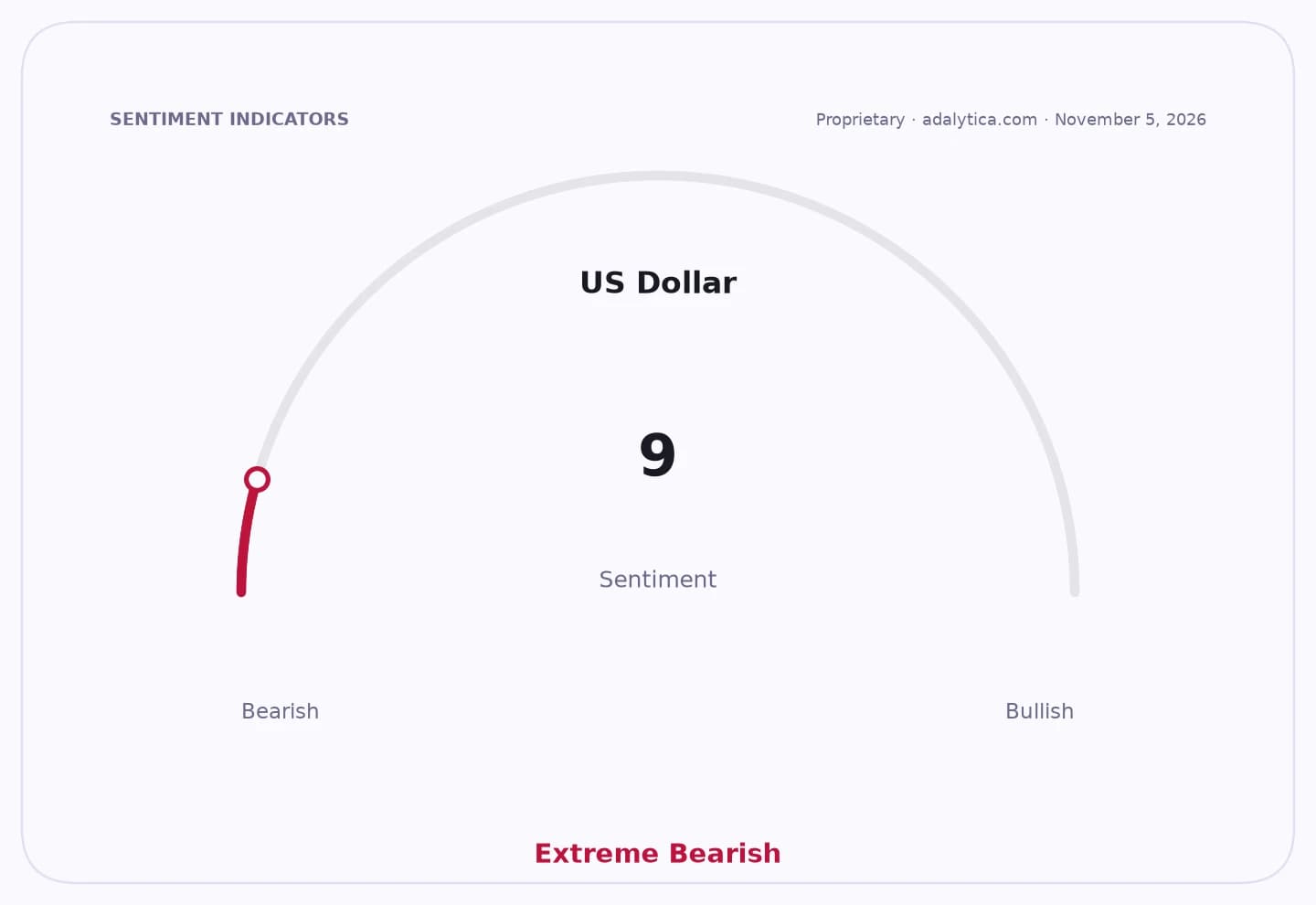
Investors should read the trend as a sign of how higher gold prices are feeding through the retail ecosystem, not just the futures market. Gold-backed vehicles have been volatile: Sprott Physical Gold Trust, which tracks bullion, has recently traded well above its 50-day and 200-day moving averages, while the Gold.com shares tied to the broader precious-metals retail business have been much more erratic, slipping back below both moving averages after a sharp run earlier this year. Adalytica’s Gold Fear & Greed Index also shows sentiment cooling sharply even as awareness remains extreme, suggesting traders and consumers are highly focused on the metal even if near-term enthusiasm has faded.
There are risks to the model on both sides. A transparent online buyer may win on trust and conversion, but it still depends on shipping confidence, insurance and the ability to defend offers in a market where gold prices can move quickly. Traditional pawn shops and jewelry stores still retain an advantage in immediacy and physical inspection, especially for sellers who want cash in hand without mailing valuables. But as long as bullion stays elevated, the competition is likely to stay centered on the same issue: who can turn a higher gold price into the highest net payout for the seller.
| Entity | Gains | Losses |
|---|---|---|
| Gold sellers | ▲Higher payout potential | ▼More choice complexity |
| GoldVara | ▲Trust and conversion | ▼Margin pressure |
| Pawn shops and jewelry stores | ▲Walk-in traffic | ▼Pricing transparency |
| App-based/mail-in buyers | ▲Convenience demand | ▼Fee scrutiny |