Google is stripping a core search button from its homepage and replacing it with more AI tools, a small interface change that underscores a larger strategic shift: the company is trying to make artificial intelligence the front door to search without undermining the advertising engine that still drives most of its revenue.
Google removes Search button, adds AI tools
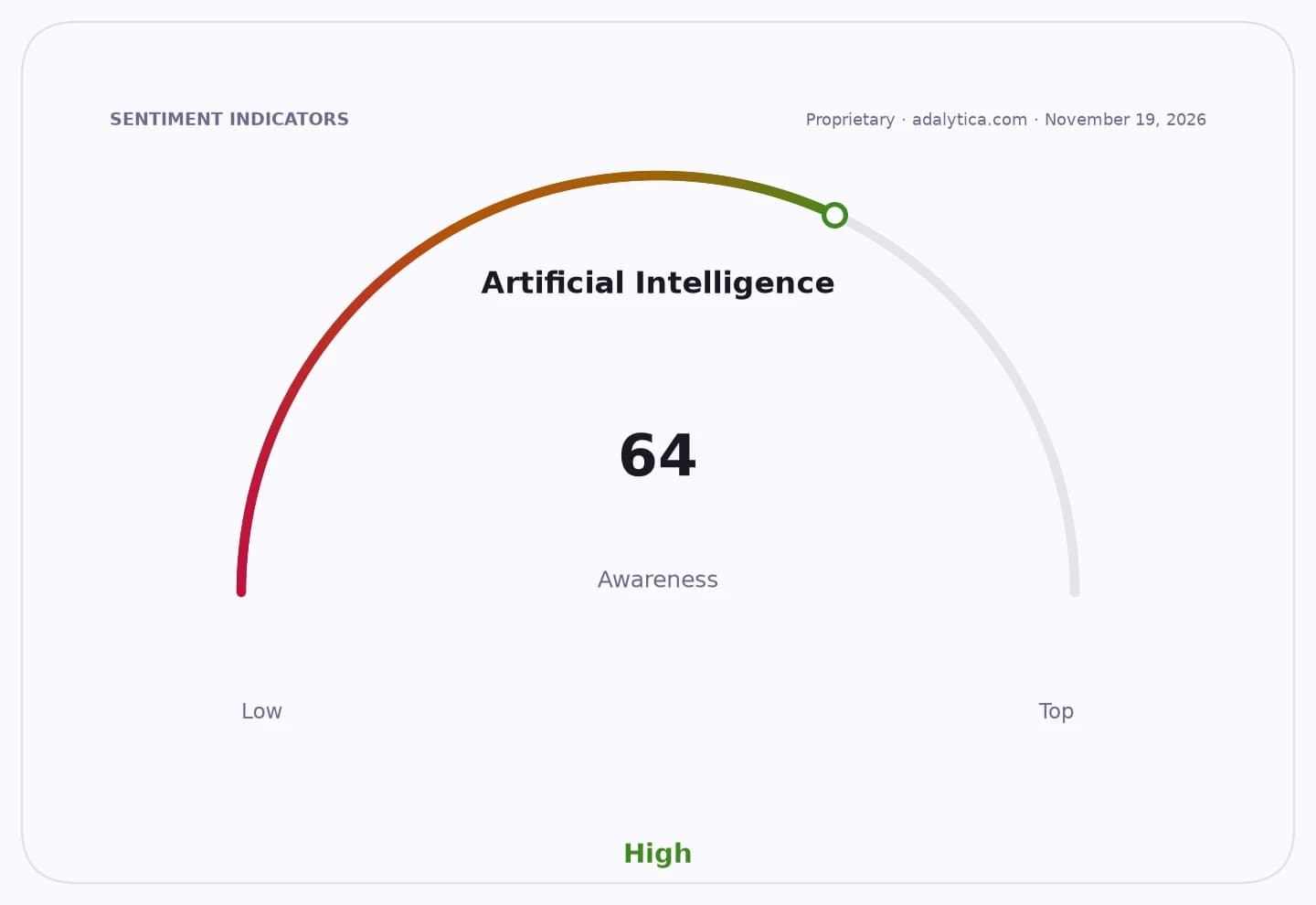
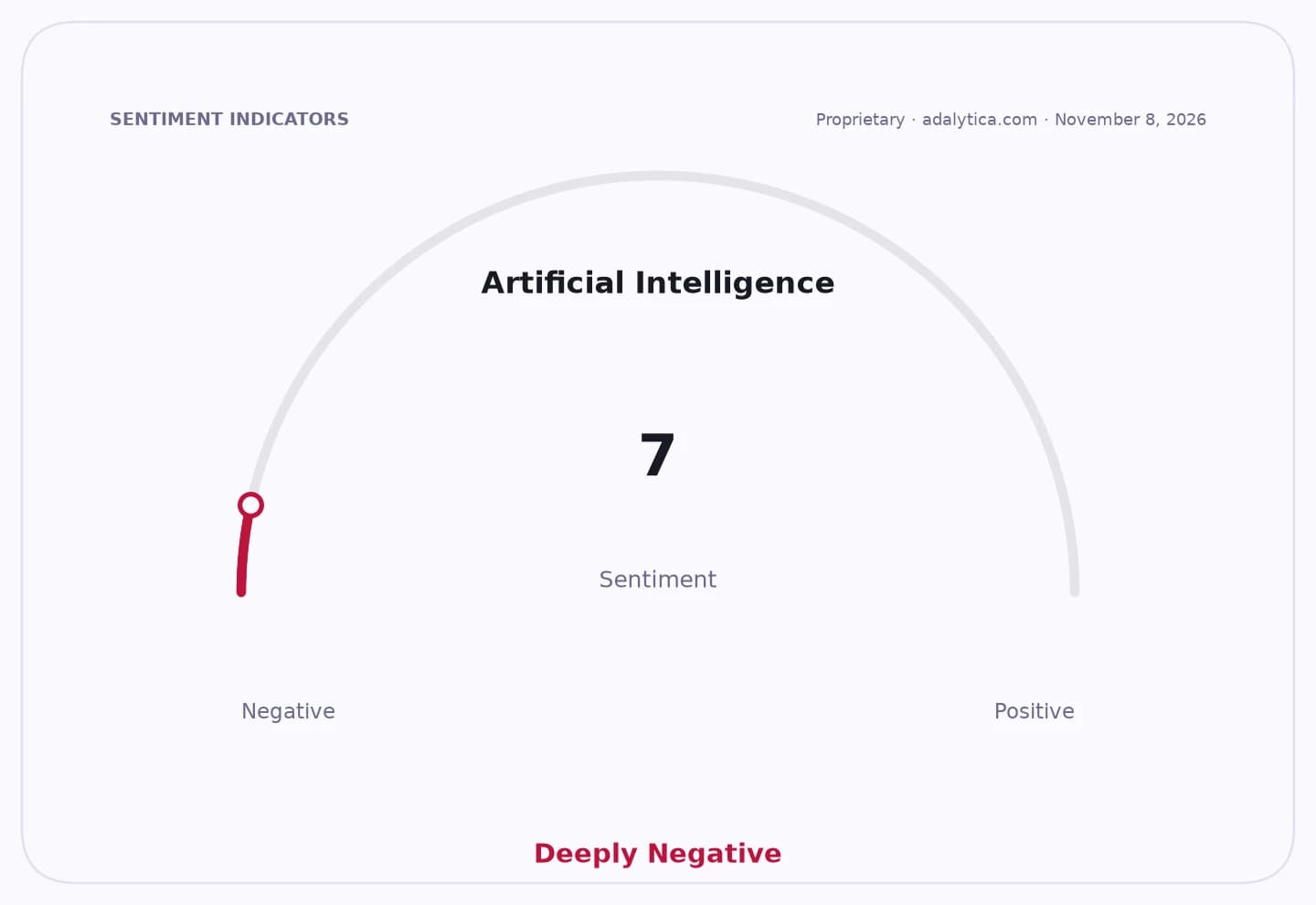
Artificial Intelligence
The removal of the traditional “Google Search” button, alongside the magnifying-glass icon, marks one of the clearest signs yet that Alphabet is willing to alter the most familiar part of its product in favor of AI-driven interactions. Users can still search by pressing Enter, but the homepage now pushes AI features such as a “Brainstorm” button and an image-generation tool tied to Nano Banana, while also surfacing a collapsible sidebar for recent AI searches.
Sentiment Indicators
Artificial Intelligence
That matters because Google Search remains one of the most valuable consumer products in tech, with tens of billions of monthly visits and a business model built on ad clicks and sponsored visibility. Any change that nudges users away from classic query-and-results behavior and toward AI summaries, conversational prompts or task-based workflows could eventually affect how often ads are seen, how often they are clicked and how much control Google has over the economics of search.
The move also highlights the tension at the center of Google’s AI strategy. The company needs to defend its search franchise against rivals building AI-first interfaces, but it cannot afford to disrupt the cash flow that funds its broader push into cloud, AI infrastructure and consumer products. Google has already introduced AI summaries and other generative features that can keep users inside its own ecosystem; removing a long-standing button suggests it is now willing to make the interface itself more AI-native.
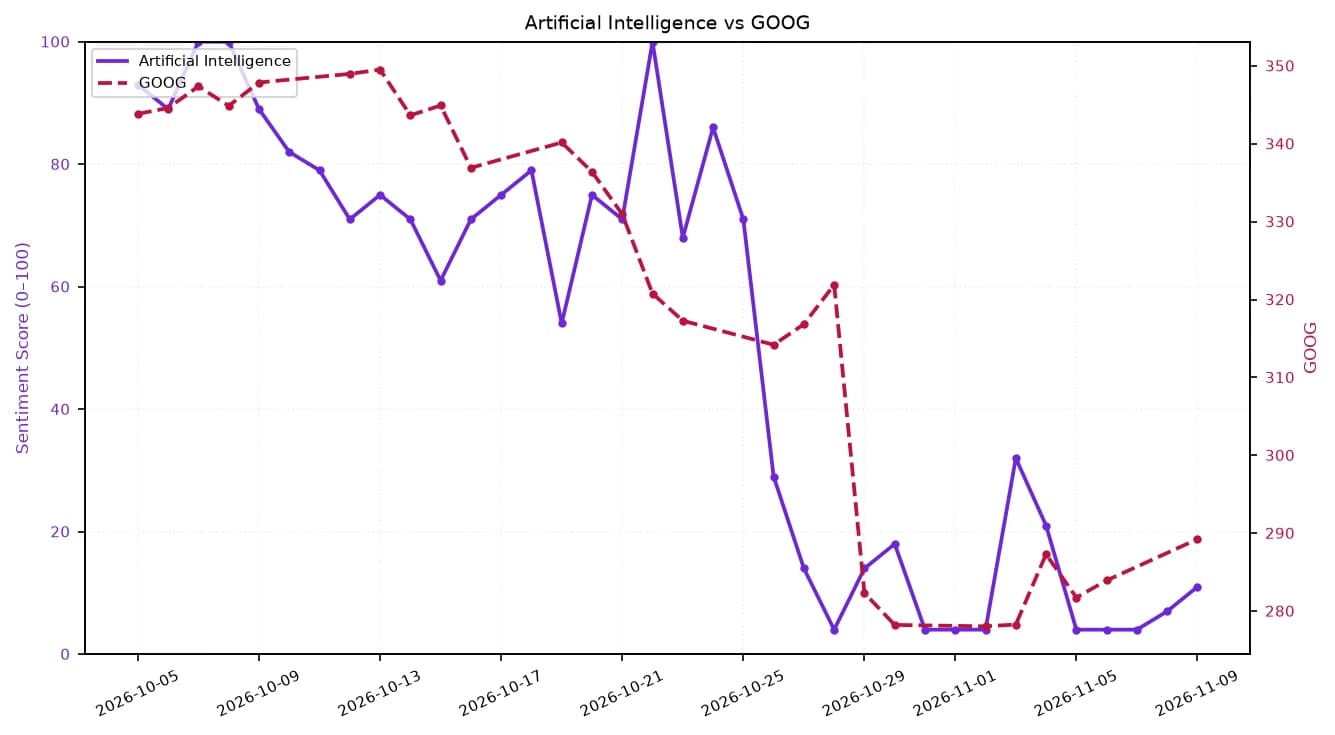
Investors have reason to watch the change closely. Alphabet shares have been volatile, with the stock falling to about $265.29 on Nov. 20 from $321.37 in late January, and standard technical indicators have recently weakened, including a 50-day moving average above the latest close and an RSI near 40, a sign of fading momentum rather than panic. The market is still trying to decide whether AI integration is an opportunity to deepen engagement and protect market share, or a long-term risk to the economics of search.
For now, the bull case is that Google is adapting its dominant product before competitors force the issue, keeping users inside a Google-controlled AI layer while preserving the ability to monetize intent. The bear case is that every step away from a simple search box increases the chance that AI answers absorb traffic that would otherwise produce lucrative clicks. The homepage redesign suggests Google is betting it can do both.
What changes next will matter more than the button itself: whether AI features boost usage enough to offset any pressure on search monetization, and whether advertisers remain comfortable paying for placement in an interface that is gradually becoming less like the old web and more like an AI assistant.
| Entity | Gains | Losses |
|---|---|---|
| ▲More AI engagement | ▼Familiar search simplicity | |
| AI product ecosystem | ▲Higher visibility | ▼Traditional search UI |
| Advertisers | ▲New AI ad surfaces | ▼Classic click-through model |
| Users preferring plain search | ▲Fewer clicks needed | ▼Less direct control |