Gram’s sharp drop below a three-month support zone is turning a routine pullback into a leverage unwind, and that matters because forced selling can deepen losses well beyond the original move. The token fell 11.08% in an hour on Friday to $1.15, its first break below the $1.30 demand area that had held since early August, triggering $5.83 million of long liquidations across exchanges, according to CoinGlass.
Gram falls below $1.30 after $5.83M liquidations
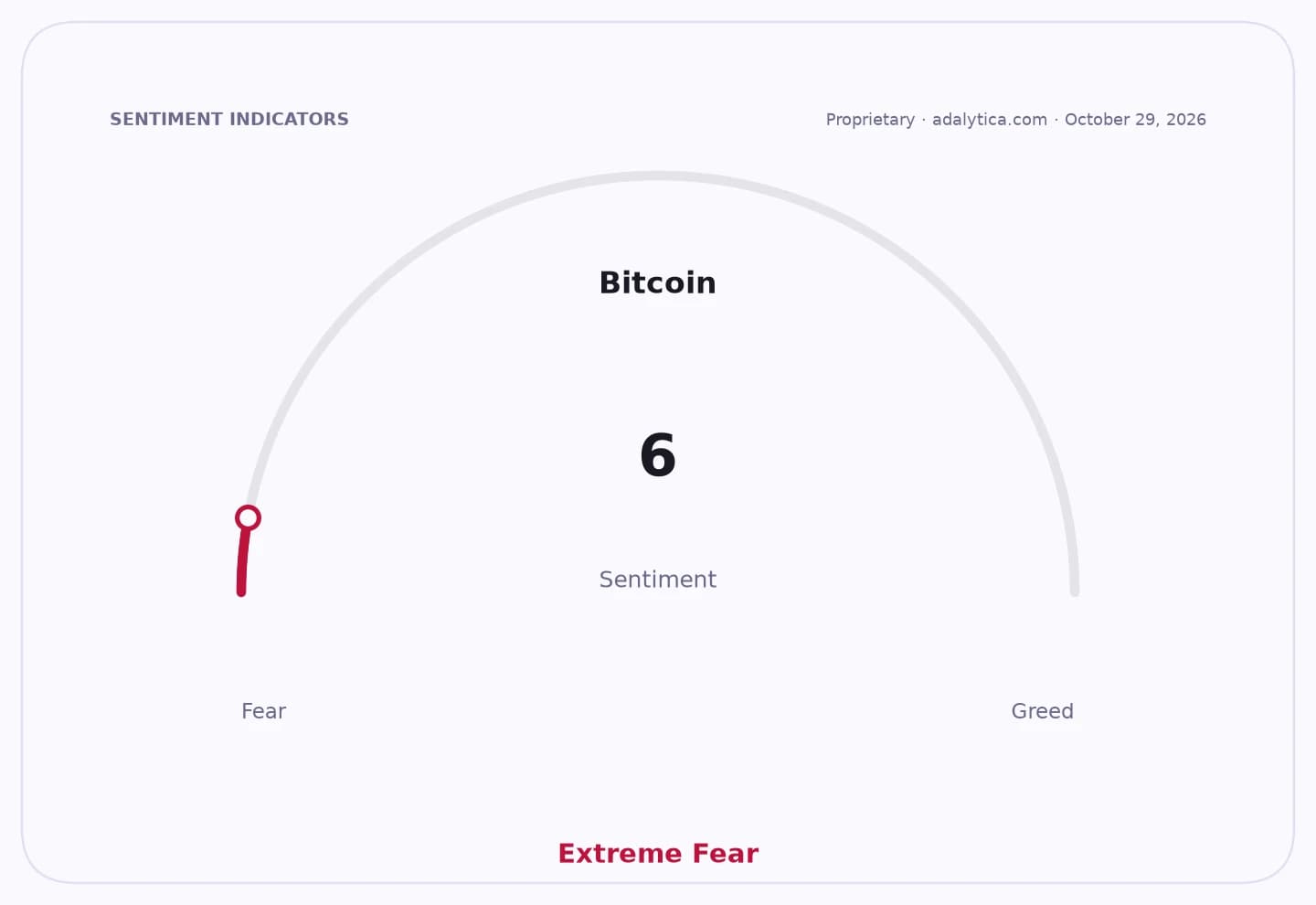
Bitcoin
That liquidation wave is the key development. In leveraged crypto markets, once a crowded long trade starts breaking technical support, margin calls can accelerate the decline and leave spot buyers unwilling to step in until the flush is complete. For Gram, the damage was compounded by signs of fading buying pressure: the A/D indicator showed waning accumulation, while the four-hour MACD had already turned bearish earlier in the week, pointing to weakening momentum before the breakdown.
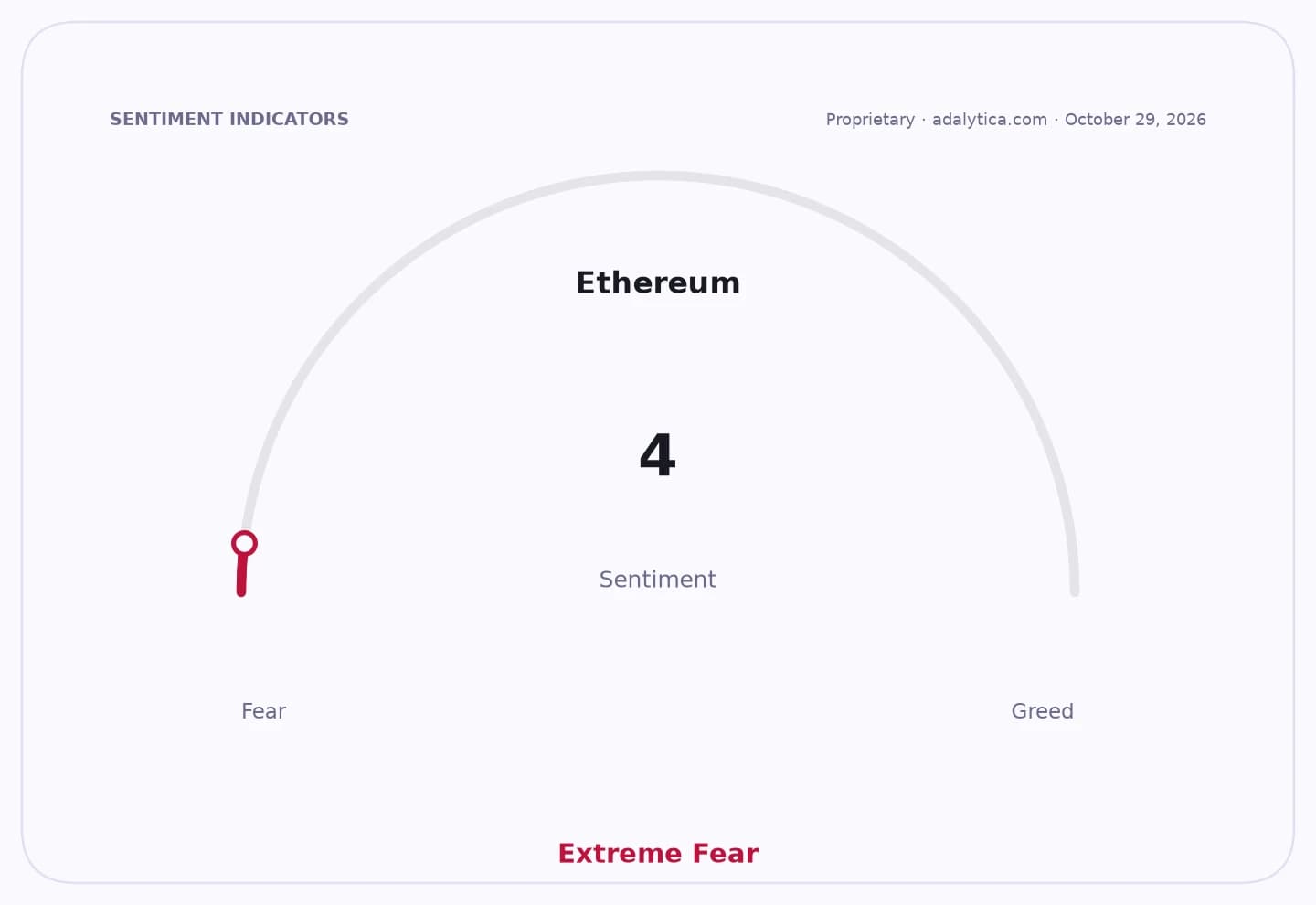
Sentiment Indicators
The move also reverses a more constructive setup from late September, when Gram rallied to $1.74 and cleared the $1.56 August high, briefly suggesting a continuation higher. That bullish case depended on strong derivatives and spot participation and on improving risk appetite more broadly as bitcoin pushed back above $80,000. Instead, market-wide buyer fatigue has now pushed Gram back through a level that traders had treated as durable support.
For investors, the question is whether this is a standard liquidation flush or the start of a larger repricing. The bullish case is that the token is now short-term oversold and could rebound into the former $1.30-$1.35 demand band, which is now acting as supply. The bearish case is more compelling for swing traders: Gram has broken both key support and the prior swing low, leaving the next technical test at whether it can reclaim $1.36. If it cannot, the chart points toward a retest of the $1.50-$1.60 zone only on a bounce that is likely to attract sellers.
The broader backdrop remains fragile for crypto risk assets. Bitcoin’s own sentiment gauges from Adalytica show extreme fear, underscoring how quickly leverage can be punished when liquidity thins. That means Gram’s next move will be less about narrative and more about whether buyers can absorb supply without another round of forced deleveraging.
| Entity | Gains | Losses |
|---|---|---|
| Short sellers | ▲Lower entry points | ▼Risk of squeeze on rebound |
| Long holders | ▲Potential oversold bounce | ▼Forced liquidation losses |
| Bears / momentum traders | ▲Breakdown confirmation | ▼Missed upside if support returns |
| Exchanges / lenders | ▲Higher trading volume | ▼Counterparty stress from liquidations |