Ethereum’s bounce back above $2,400 matters because it shows crypto is still trading as a leveraged macro asset, not an isolated blockchain bet, and falling Treasury yields are once again doing what equity bulls and digital-asset traders need most: easing discount-rate pressure on risk.
Ethereum Rebounds Above $2,400 as Yields Fall

That is the real story behind Friday’s rebound. A hotter-than-expected US producer price report briefly knocked Ethereum toward $2,340 and dragged the token through a key support band near its 100-day exponential moving average around $2,356. But as the 10-year Treasury yield slipped to 5.095%, its lowest since Sept. 22, and the dollar pulled back, buyers stepped in. Ethereum recovered above $2,400, underscoring how quickly crypto can reprice when rate fears cool, even if inflation is still uncomfortable.
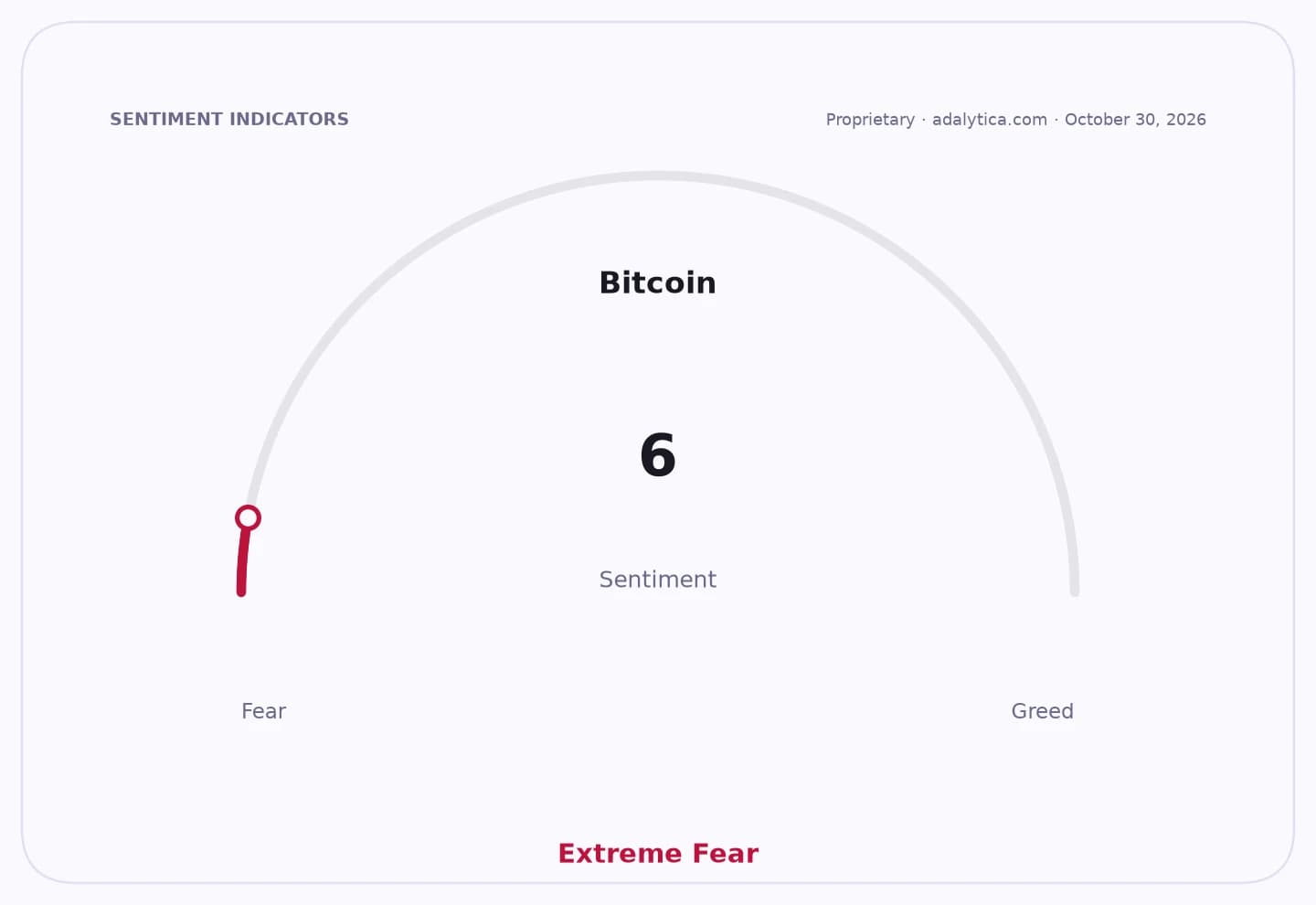
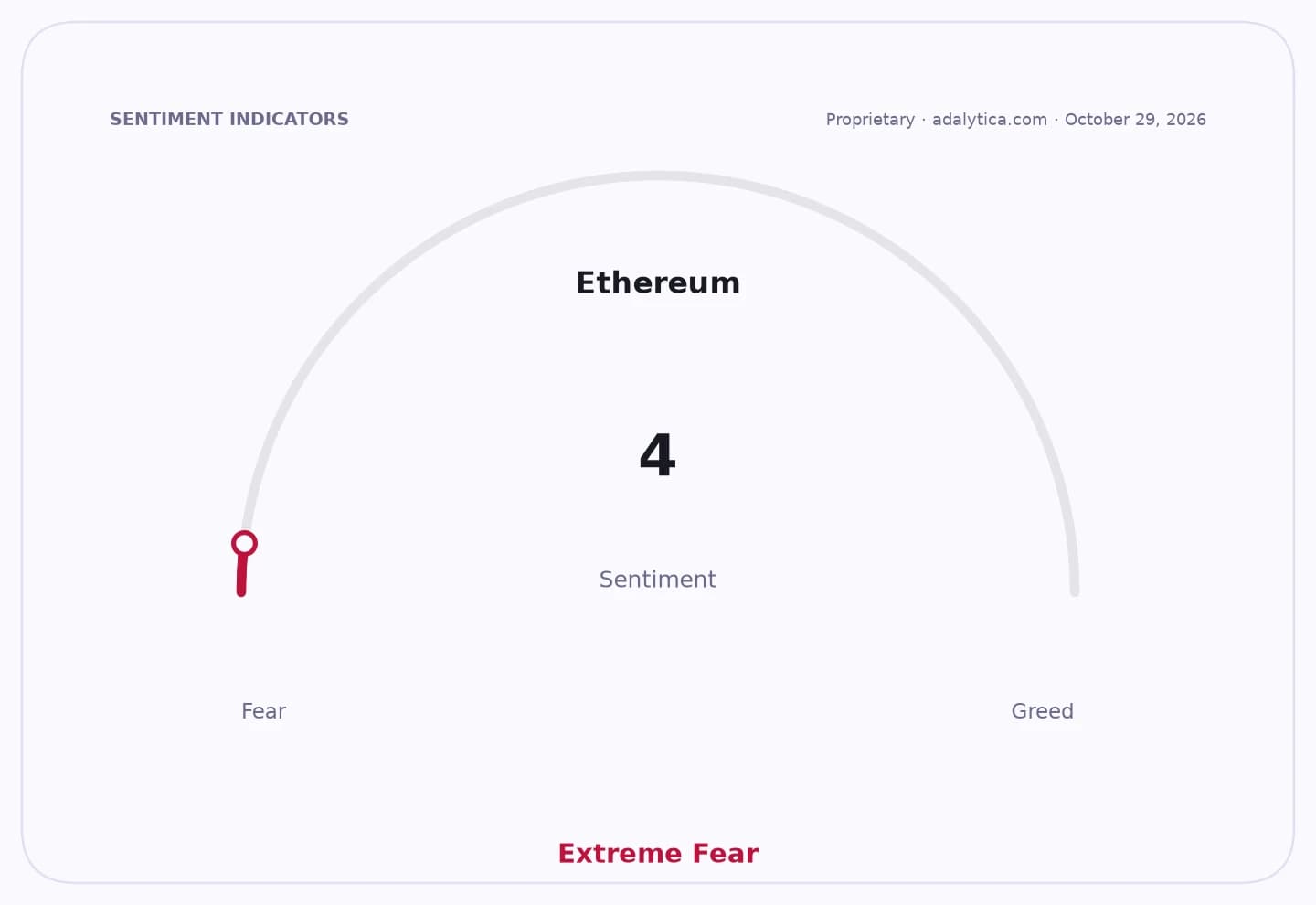
Sentiment Indicators

The macro setup still matters more than the chart noise. September PPI rose 6.3% from a year earlier, far above expectations, while core PPI hit 5%. That followed an equally hot CPI reading earlier in the week, sharpening the market’s debate over how long borrowing costs stay restrictive. For digital assets, higher yields and a stronger dollar are a headwind because they tighten financial conditions, raise the opportunity cost of holding non-yielding assets and pressure leveraged positions. When those forces ease, even briefly, Ethereum can recover sharply.
That’s why the move also has implications beyond ETH itself. The liquidation-heavy drop showed how exposed bullish traders remain to forced selling when macro data surprises to the upside. But the rebound suggests that dip buyers are still active around the $2,355 area, a level that now looks like the line between a stabilizing market and another leg lower. Momentum indicators have improved but remain fragile: RSI has risen only to 40.9, leaving room for more recovery, but not yet confirming a full reversal.
US Treasury
For investors, the key is that Ethereum is sitting at the intersection of three trades: rates, liquidity and risk appetite. If Treasury yields continue drifting lower, the token has a path toward the next resistance cluster near $2,496 to $2,552, where the 50-day moving average and nearby overhead supply sit. A break through that zone would strengthen the case that the post-inflation washout was a tactical reset, not the start of a deeper downtrend. If support fails, the market could quickly test $2,204 and lower.
The bigger opportunity, in our view, is not in chasing every intraday bounce, but in recognizing that Ethereum is increasingly a high-beta expression of the macro cycle. As rates stop rising, capital tends to rotate back toward duration-sensitive assets first, and crypto usually amplifies that move. That makes ETH one of the cleanest ways to play a softer-yields regime — but only if investors respect the volatility.
For now, the message is simple: falling Treasury yields have given Ethereum breathing room, but the real catalyst for a durable breakout will be a continued easing in US financial conditions. Until then, $2,355 is the level to watch and $2,496 to $2,552 is the hurdle that decides whether this rebound has legs.
| Entity | Gains | Losses |
|---|---|---|
| Ethereum bulls | ▲Support rebound | ▼Volatility risk |
| Treasury bonds | ▲Safe-haven demand | ▼Yield declines |
| Leveraged crypto traders | ▲Lower liquidation pressure | ▼Forced selling on inflation shocks |
| Dollar bears | ▲Softer USD backdrop | ▼Stronger real-rate pressure |