The Grand Egyptian Museum is preparing to mark the first anniversary of its opening with a packed calendar of cultural, artistic and community events, a sign that Egypt is using its newest flagship attraction to convert initial curiosity into a more durable tourism engine.
Grand Egyptian Museum marks first anniversary
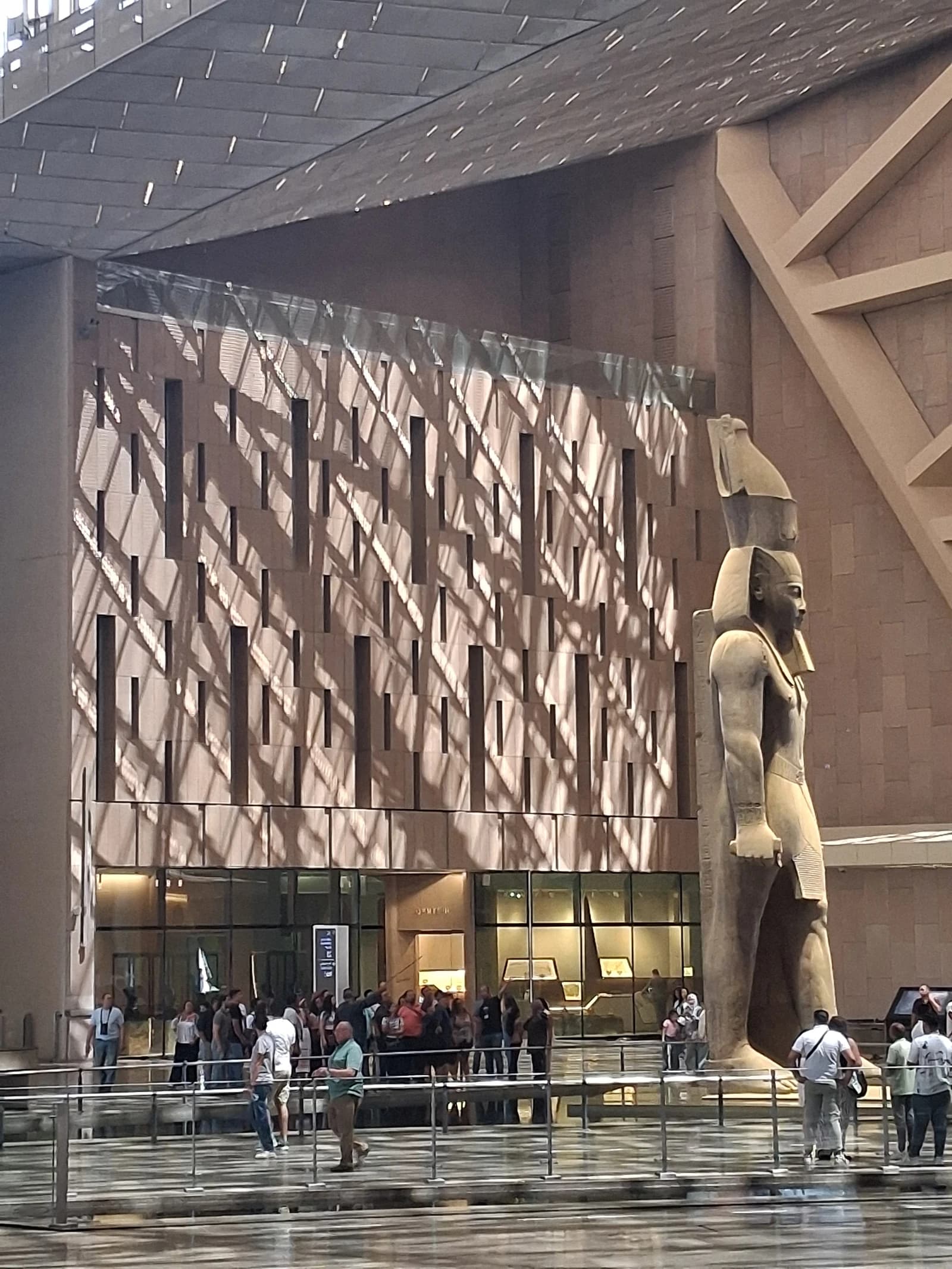
That matters because the museum has become one of Cairo’s most important soft-power and hard-currency assets at a time when Egypt is trying to support foreign-exchange inflows, lift visitor spending and broaden the appeal of its heritage sector beyond short stays and classic pyramid tours. With the country already drawing more than 4 million visitors tied to its archaeological sites and cultural attractions, the anniversary campaign is designed to keep the museum in the global spotlight and reinforce Egypt’s image as a destination rather than a single landmark.
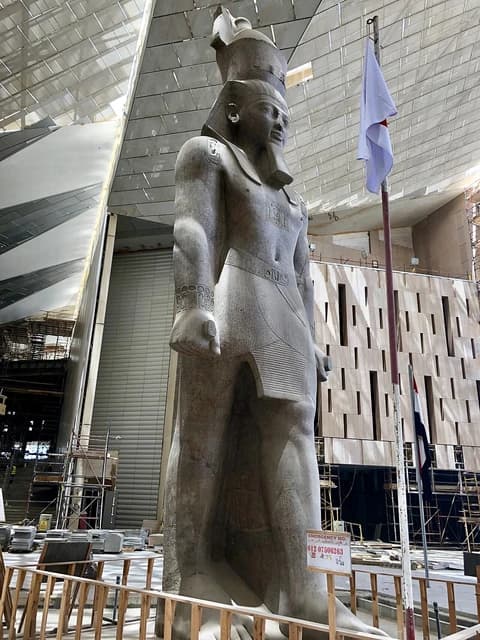
The timing is significant. Egypt’s tourism industry remains one of the economy’s key sources of foreign currency, and the government has leaned heavily on major cultural openings to deepen that contribution. The museum’s first year has given authorities an opportunity to test whether a modern, high-profile institution can extend visitor dwell time in Greater Cairo, support hotel occupancy and generate spillovers for airlines, transport, retail and local services.
The anniversary programming is also a branding exercise. A museum on this scale is not just a visitor site but a platform for exhibitions, educational events and international partnerships. By linking archaeology with music, art and community activity, Egypt is trying to broaden the museum’s audience and make it relevant to domestic visitors as well as foreign tourists, which is important for resilience if overseas arrivals soften.
For investors, the story is less about one event than about the commercial ecosystem around it. Stronger tourism flows can support listed hotel operators, travel-related services, consumer spending and eventually broader investment in infrastructure around the Giza corridor and Cairo’s cultural districts. It also strengthens the case for more flight capacity, package-tour development and private-sector spending aimed at higher-end visitors.
The risk is execution. A museum anniversary can draw attention for a few days, but sustained economic impact will depend on marketing, transport access, ticketing, visitor experience and Egypt’s ability to keep the site central to international itineraries. If the first year was about proving the museum works as an attraction, the next challenge is proving it can help anchor a larger tourism cycle.
| Entity | Gains | Losses |
|---|---|---|
| Grand Egyptian Museum | ▲Higher visibility | ▼Short-lived event interest |
| Egypt tourism sector | ▲More visitor spending | ▼Reliance on sustained promotion |
| Hotels and travel firms | ▲Stronger bookings | ▼Softer demand if traffic fades |
| Competing regional destinations | ▲— | ▼Egypt captures more heritage tourism |