Greece’s parliament has cleared the way for a special inquiry into private debt and so-called red loans, handing the opposition Syriza party a political victory that could keep pressure on banks, loan servicers and distressed-debt funds for months.
Greece Parliament Approves Inquiry Into Bad Loans

Rena Dourou, the Syriza parliamentary group leader, said the vote showed lawmakers can “fight battles and win them,” calling the planned inquiry a win for democracy, borrowers and society. Her comments underline the political sensitivity of a problem that has weighed on households and small businesses since the country’s debt crisis and remains one of the biggest unresolved risks in Greece’s financial system.
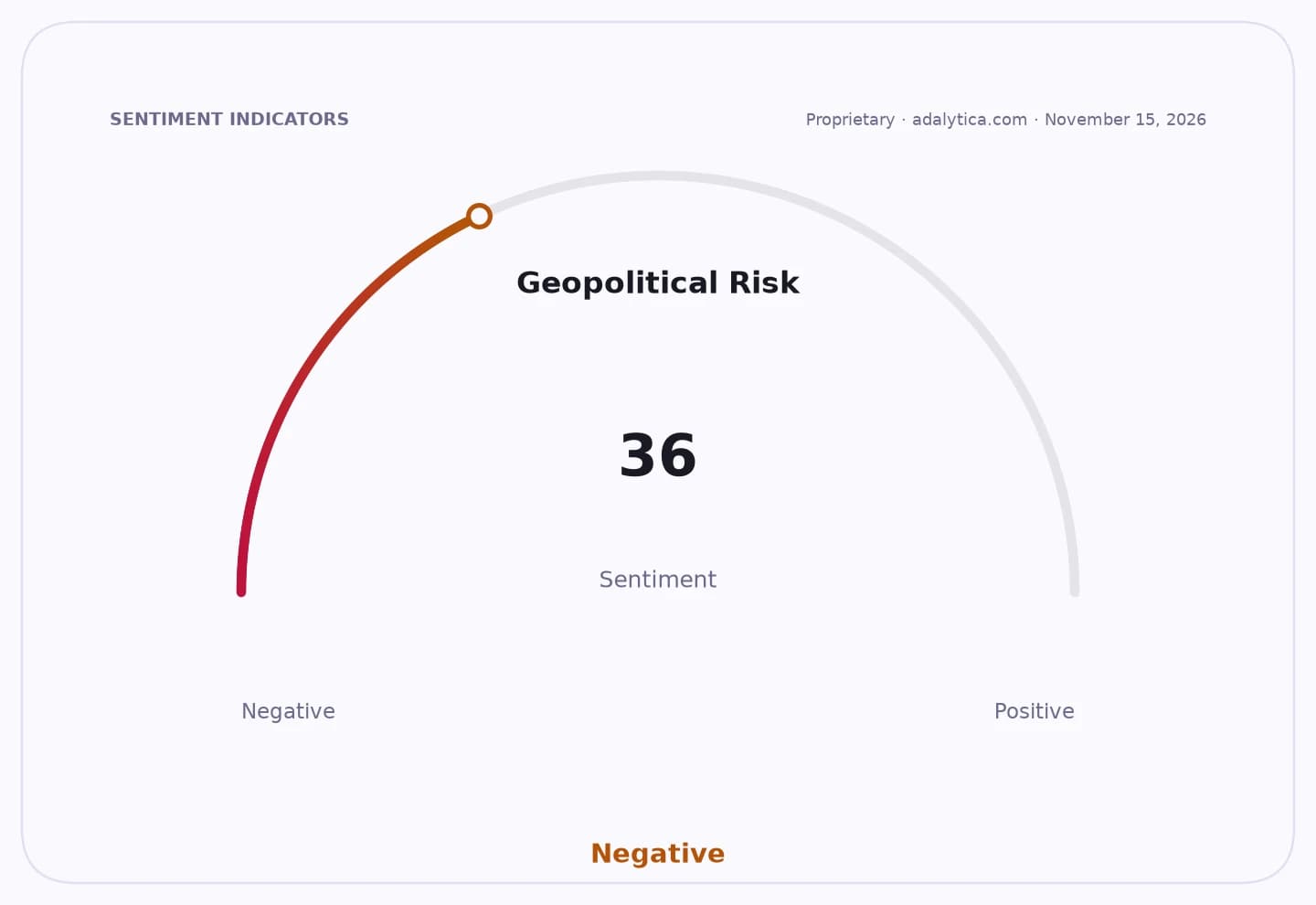
Sentiment Indicators

Nikos Pappas, Syriza’s secretary, said the issue of bad loans would remain at the center of political debate for at least three months, suggesting the parliamentary process could become a flashpoint over how aggressively banks, funds and servicers pursue collections. He also accused New Democracy of abstaining and backing those seeking to stay hidden, signaling the inquiry could sharpen the government-opposition divide rather than defuse it.
The stakes go beyond party politics. Greece’s stock and debt markets have benefited from years of stabilization, but the red-loan issue keeps alive concerns about credit quality, borrower protections and the speed of bad-debt resolution. That matters for lenders’ recoveries, the pricing of distressed assets and the wider cost of credit in an economy still reliant on financing growth through the banking system.
Debt Rules
Investors will watch whether the inquiry leads to calls for tighter oversight of servicers and funds, or for changes that slow collections and cloud the outlook for cash flows tied to nonperforming loans. Any shift that improves transparency could aid long-term confidence, but a more hostile political environment would likely increase uncertainty around Greece’s bad-debt cleanup.
The inquiry now becomes a test of how much leverage the opposition can extract from parliament and how far the government is willing to go in defending the current framework. For markets, the next catalyst is not the vote itself but whether the investigation produces policy proposals that materially affect Greece’s bank balance sheets and the distressed-debt sector.
| Entity | Gains | Losses |
|---|---|---|
| Syriza | ▲Political momentum | ▼Limited if inquiry stalls |
| Borrowers | ▲More scrutiny of debt practices | ▼Fewer immediate collections |
| Banks / servicers / funds | ▲If inquiry restores transparency | ▼If rules tighten or collections slow |
| New Democracy | ▲Little direct gain | ▼Political pressure over abstention |