Greece is making its public markets easier to run, easier to enter and easier for shoppers to use, with a new framework that could expand afternoon markets, speed up licensing and strengthen the role of farmers in the country’s traditional street-market economy.
Greece eases licensing for morning and afternoon markets
For investors, the significance is not the markets themselves so much as what they represent: a small but telling step in the government’s wider push to cut red tape, formalize activity and support consumer-facing commerce. When regulation becomes simpler and more predictable, supply tends to improve, competition gets healthier and smaller businesses are better able to operate without being trapped in paperwork. That matters in an economy where household budgets remain sensitive to food prices and where local producers still play an outsized role in keeping staples affordable.
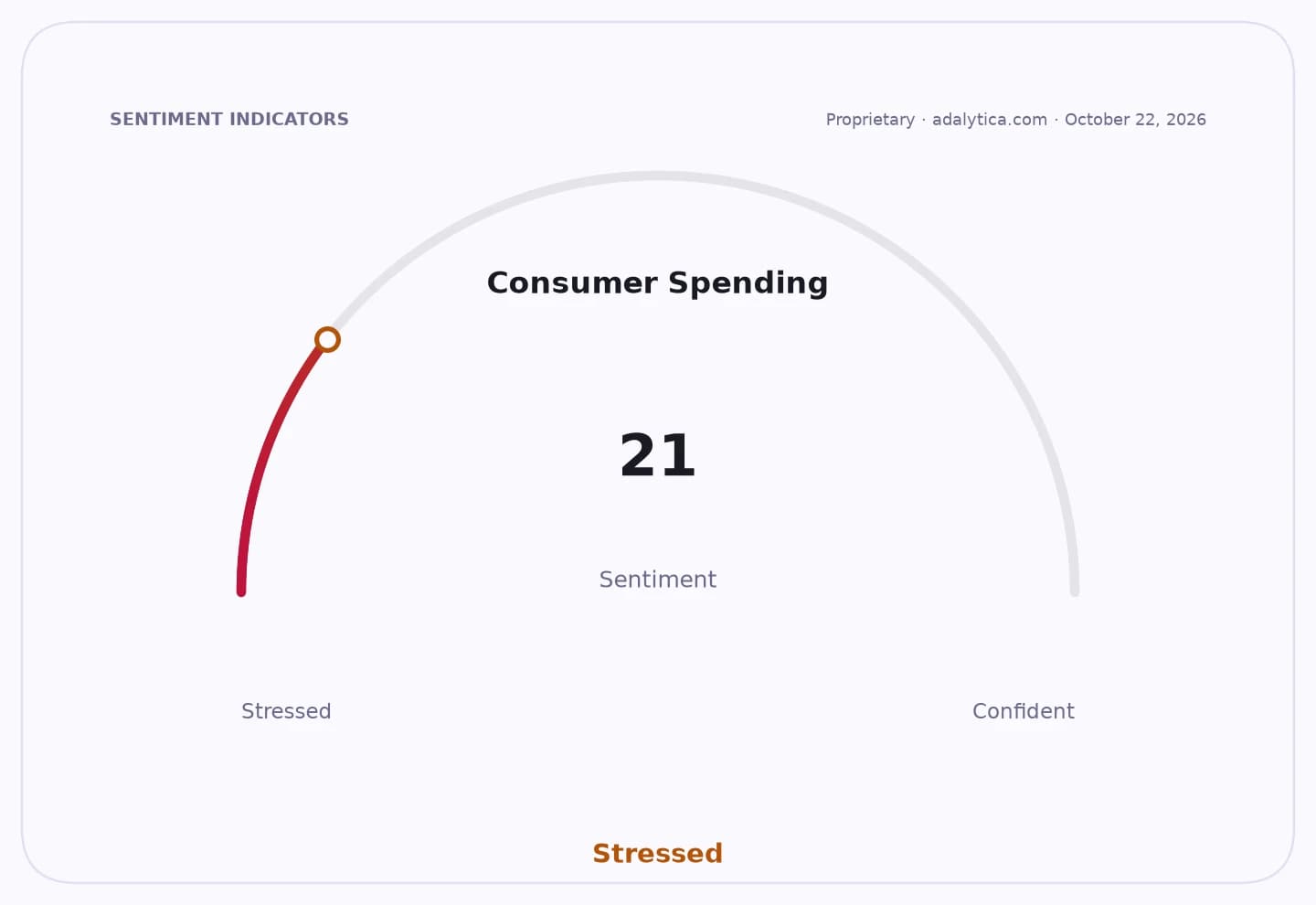
Sentiment IndicatorsⓘProprietary · adalytica.com · October 22, 2026
This is a snapshot — live sentiment, awareness and momentum for 130+ markets update continuously in the dashboard.Open AlphaPulse
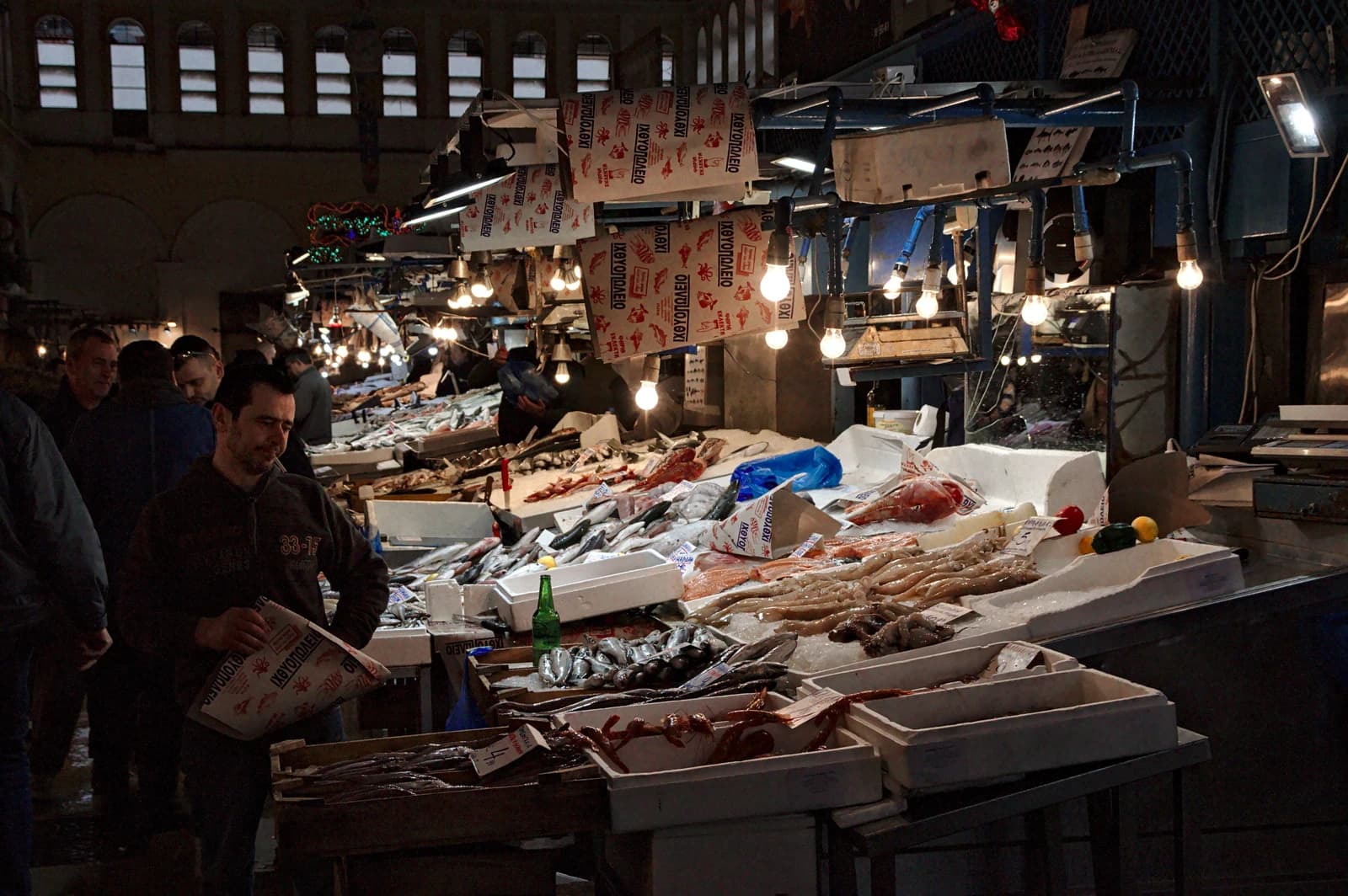
The new rules, issued by the General Secretariat for Commerce after months of talks with market representatives, let producers and professional sellers work on the same day in both a morning and a separate afternoon market. That opens a second revenue channel for vendors and gives working consumers more flexibility, especially those who cannot shop early in the day.
The framework also lets municipalities create markets reserved exclusively for producers, a move designed to bring farm goods closer to consumers and sharpen price competition. At a time when shoppers across Europe remain wary of inflation fatigue, anything that improves direct farm-to-table supply can help keep food costs in check at the margin.
The administrative changes are just as important. Producer licenses are now meant to be issued within five working days once the paperwork is complete, while digital permits stored in the “Open Market” system will remain valid indefinitely as long as the supporting documents stay current. That should reduce churn for vendors and make the sector more investable for small operators that have historically been discouraged by renewal delays and bureaucratic uncertainty.
The government is also creating more flexibility around seasonal demand, allowing up to 10% of each market’s stalls to be assigned for temporary needs for up to six months per producer. Rules for stall swaps, relocations and upgrades are being clarified, while missed attendance and inheritance transfers now carry clearer deadlines and consequences. Even the treatment of fees is being tightened, with relief possible in force majeure cases such as hospitalization or extreme weather.
For consumers, the message is straightforward: more access, more choice, and potentially better pricing. For vendors, it is a chance to work more efficiently and with less administrative friction. For the Greek economy, it is another sign that the government is trying to modernize a small but politically and socially important part of retail trade without dismantling its local character.
The long-term investment takeaway is that reforms like this rarely move markets on their own, but they do add up. Easier licensing, more competition and better digital administration are the kinds of changes that can support productivity and small-business resilience over time. Investors watching Greece should see this as a constructive, pro-consumer reform that reinforces the case for gradual economic normalization and is worth keeping on the watchlist.
| Entity | Gains | Losses |
|---|---|---|
| Consumers | ▲More choice and convenience | ▼Fewer barriers to access |
| Producers and vendors | ▲More selling opportunities | ▼Less protection from competition |
| Municipalities | ▲Greater flexibility to organize markets | ▼More administrative responsibility |
| Existing stall holders | ▲Clearer rules and digital permits | ▼More competition for prime locations |