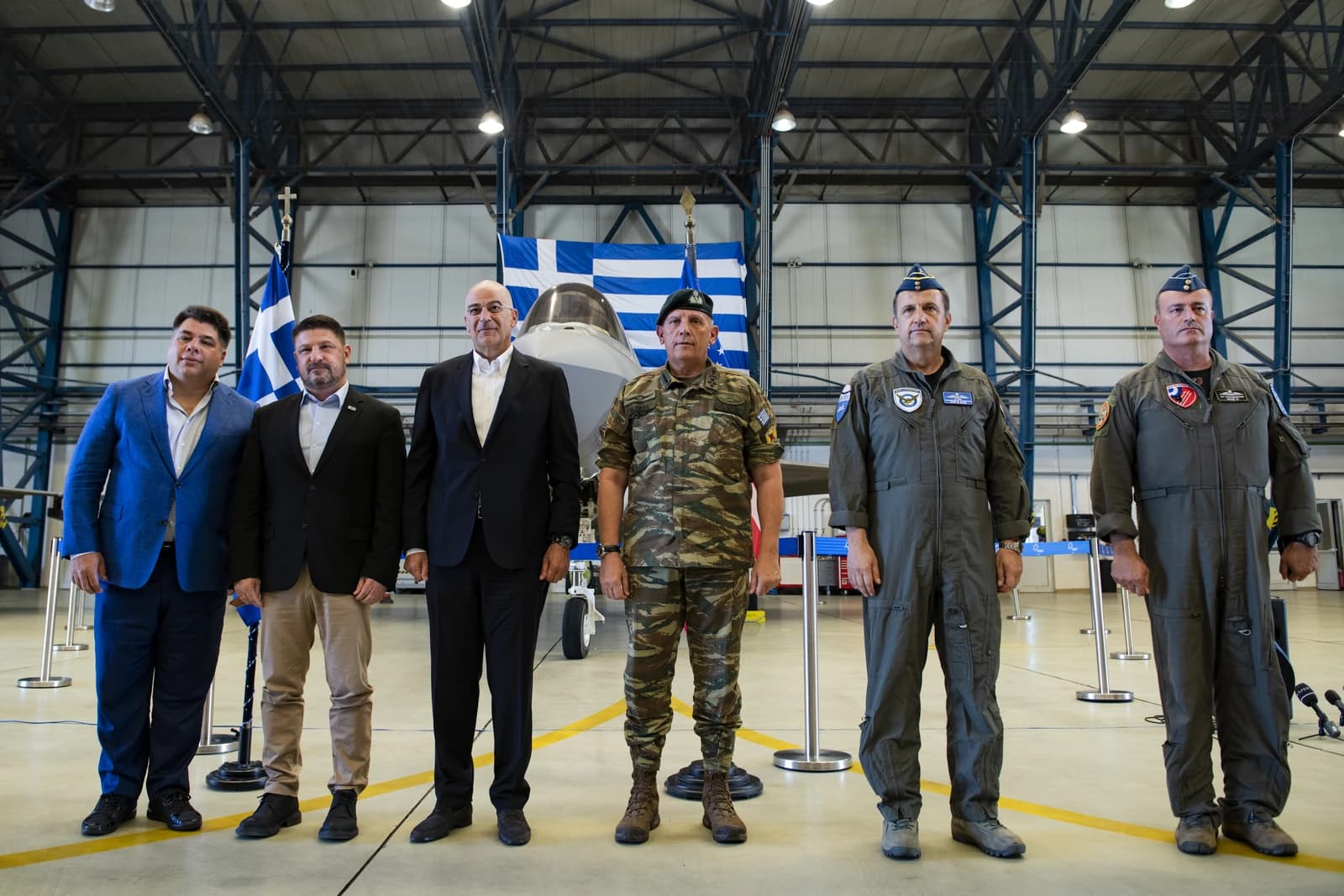
Greece’s new option to serve nine months if enlisting at 18 is pulling more young men into the armed forces sooner than expected, forcing the Defence Ministry to prove it can absorb the higher intake without straining training standards.
Greece Nine-Month Conscription Pulls in More Recruits
The surge is most visible in the November 2026 draft call-up and is expected to carry into the first cohort of 2027, according to military sources cited by Greek daily To Vima. Men who asked by July 31 to end their deferment were asked to confirm electronically if they want to move their enlistment forward from January to November, underscoring how the shorter term is changing scheduling decisions.
Sentiment Indicators
That matters economically because the policy is not just about military staffing; it affects labor supply, university entry, and seasonal work planning. Greek authorities have long relied on the timing of enlistment to manage the flow of conscripts around tourism jobs and higher education, and the new nine-month term is making the November and January drafts especially popular.
For investors, the key question is whether the state can scale intake without creating operational bottlenecks. If barracks, instructors and medical support keep pace, the policy could help stabilize recruitment and reduce the risk of shortages. If they do not, pressure on training quality could limit the government’s ability to sustain the reform.
Military sources say there is no reason to expect anyone to be left out because of capacity limits, pointing to better use of existing facilities, including the training center in Tripoli, which has room for more recruits than it has recently hosted. Other camps across the country also appear to have unused capacity that can be tapped, suggesting the issue is less about empty beds than execution.
The government is also trying to turn voluntary female service into a longer-term recruitment channel. About 50 women are already serving in units ranging from special forces and medical support to engineering, transport and communications, and a double-digit number have expressed interest in continuing as professional enlisted personnel.
That is still too small to judge whether the program can become a meaningful staffing tool, but it gives the ministry a second test: whether the armed forces can convert initial enthusiasm for shorter or voluntary service into a steadier pipeline of career personnel. A new call for interest is expected in 2027, and officials are still weighing whether to add a second intake round in the same year.
| Entity | Gains | Losses |
|---|---|---|
| Greek Defence Ministry | ▲higher enlistment flow | ▼pressure to expand training capacity |
| 18-year-old conscripts | ▲shorter nine-month service | ▼tighter enrollment timing |
| Existing military camps | ▲better utilization | ▼strain on staffing and logistics |
| Universities and seasonal employers | ▲clearer planning horizon | ▼potential disruption from earlier call-ups |